Stepping into the world of fitness and muscle recovery can feel overwhelming with countless tools and techniques available. But if there’s one staple that consistently proves its worth, it’s the foam roller. Specifically, the 24 Inch Foam Roller stands out as a versatile, portable, and highly effective instrument for anyone looking to enhance their physical well-being. This guide will dive deep into everything you need to know about this compact powerhouse, from its mechanics to mastering its use for optimal benefits.
What Exactly is a Foam Roller and How Does it Work?
At its core, a foam roller is a lightweight, cylindrical tool used for self-myofascial release (SMR), often likened to giving yourself a deep tissue massage. Fascia is the intricate web of connective tissue that surrounds every muscle, bone, nerve, and organ in your body. When this fascia becomes stiff or muscles develop “knots” (also known as trigger points), it can lead to pain, tightness, and restricted movement.
The magic of foam rolling isn’t necessarily about “breaking up” this tissue in a mechanical sense. Instead, when you apply pressure with a 24 inch foam roller, it stimulates nerve receptors within your fascia. These receptors send signals to your brain, essentially telling your muscles in that area to relax. Think of it as a conversation with your nervous system, encouraging it to calm down. It can also help relieve tiny muscle spasms and improve your body awareness, a concept known as proprioception. By bringing more awareness to a specific body part, you can improve its function and range of motion during workouts and daily activities.
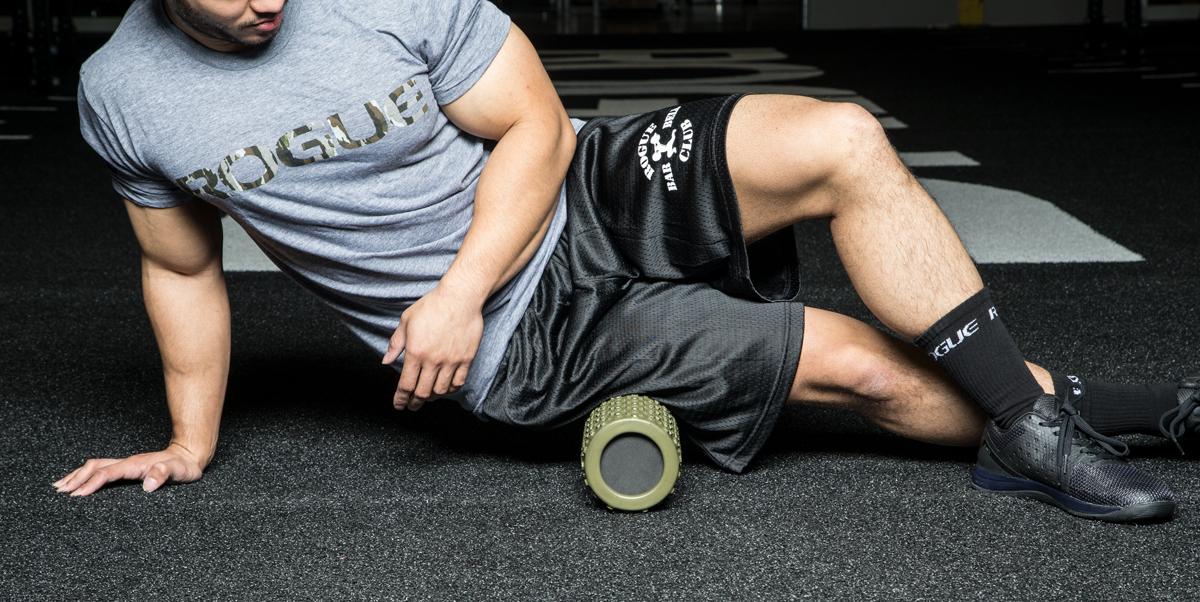
Why Choose a 24 Inch Foam Roller? The Compact Advantage
While foam rollers come in various lengths, the 24 inch foam roller offers distinct advantages that make it a favorite for many.
- Portability and Convenience: Its compact size makes it incredibly easy to transport, fitting perfectly into most gym bags or suitcases. This means you can take your recovery routine with you, whether you’re heading to the gym, traveling, or simply moving from room to room at home.
- Targeted Muscle Work: Shorter rollers excel at isolating and targeting smaller, more specific muscle groups. For instance, it’s ideal for working on your arms, calves, glutes, or upper back where a longer roller might feel cumbersome.
- Enhanced Maneuverability: The shorter length allows for greater control and precision, making it easier to navigate around sensitive areas or focus pressure on stubborn knots. This improved maneuverability can lead to a more effective and comfortable self-massage experience.
Types of 24 Inch Foam Rollers: Finding Your Perfect Match
Choosing the right 24 inch foam roller involves considering its material, density, and surface texture. Each variation offers a different experience tailored to your needs and preferences.
Material and Density
The density of a foam roller dictates its firmness and how intense the pressure will feel. Generally, foam rollers are color-coded, though this can vary by brand, so always check the product description.
- Polyethylene (PE) Rollers: These are typically the softest and least dense, making them an excellent choice for beginners or those with particularly sensitive muscles. They offer a gentler massage and are often the most budget-friendly option, though they may wear out faster with repeated use.
- Ethylene Vinyl Acetate (EVA) Rollers: A step up in firmness from PE, EVA rollers provide a balanced pressure that suits a wider range of users. High-density EVA rollers offer even more firmness, making them durable and suitable for frequent use. Many rollers found in commercial gyms are made from EVA due to their robust nature.
- Expanded Polypropylene (EPP) Rollers: Known for being the densest and most durable, EPP rollers offer a very firm surface and deep pressure. They are often preferred by athletes or individuals with extremely tense muscles who crave an intense, deep tissue massage. EPP rollers are also common in professional settings like physical therapy clinics.
Surface Texture
Beyond density, the surface texture of your 24 inch foam roller plays a crucial role in the type of massage you receive.
- Smooth Rollers: These rollers provide even pressure across their entire length, making them ideal for beginners or those seeking a gentler, uniform massage. They are generally less intense and more affordable.
- Textured Rollers: Featuring ridges, knobs, or bumps, textured rollers are designed to mimic the hands of a masseuse, allowing for deeper and more precisely targeted pressure. They are excellent for working out stubborn knots and adhesions in your muscles. Many textured rollers offer a variety of patterns to provide different intensities of massage.
The Incredible Benefits of Incorporating a 24 Inch Foam Roller into Your Routine
Regularly using a 24 inch foam roller can bring a wealth of benefits that contribute significantly to your overall physical health and athletic performance.
Alleviating Muscle Pain and Soreness
Foam rolling is a powerful tool for easing sore muscles and reducing inflammation, especially delayed-onset muscle soreness (DOMS) that often follows intense workouts. By applying pressure, you help release tension and reduce discomfort, aiding faster recovery.
Improving Flexibility and Range of Motion
One of the most celebrated benefits of foam rolling is its ability to increase your flexibility and joint range of motion. Combining foam rolling with static stretching can be particularly effective in achieving greater mobility, which is crucial for both daily activities and athletic performance.
Enhancing Recovery and Circulation
Foam rolling can significantly decrease recovery time after exercise by improving blood flow and enhancing the delivery of oxygen and nutrients to muscle tissues, while also helping remove waste products. Improved circulation also aids lymphatic drainage, supporting your immune system.
Preventing Injuries
By addressing muscle imbalances, tightness, and trigger points, foam rolling helps restore normal muscle function and elasticity. This proactive approach can reduce your risk of strains, pulls, and other common exercise-related injuries.
Stress Relief and Relaxation
Many individuals find the process of foam rolling to be incredibly relaxing. Releasing physical tension in your muscles can lead to a calmer mental state, making it a wonderful addition to your wind-down routine after a long day or an intense workout.
Mastering the Art: How to Effectively Use Your 24 Inch Foam Roller
To get the most out of your 24 inch foam roller, proper technique is paramount. Here’s how to effectively target different muscle groups:
General Principles for Effective Rolling
- Go Slow and Steady: Apply moderate pressure to a specific muscle or muscle group using the roller and your body weight. Roll slowly, no more than one inch per second.
- Find and Hold Trigger Points: When you encounter a tender or tight spot, pause for 20-30 seconds (or up to 90 seconds, depending on discomfort level). Breathe deeply and allow the muscle to relax around the pressure. The discomfort should lessen over time; if it worsens, adjust your position or reduce pressure.
- Breathe Deeply: It’s vital to breathe slowly and deeply throughout your rolling session. Holding your breath can signal to your brain that the activity is “unsafe,” hindering muscle relaxation.
- Hydrate: Drink plenty of water after your foam rolling session to aid in recovery.
Specific Exercises for Your 24 Inch Foam Roller
The 24 inch foam roller is particularly adept at working smaller areas. Here are some key muscle groups and how to target them:
- Calves: Sit on the floor with one leg extended, placing the 24 inch foam roller under your calf. Use your hands for support and lift your hips slightly. Roll from your ankle to just below your knee, rotating your leg to hit different parts of the calf.
- Quadriceps (Quads): Lie face down, placing the roller horizontally under your quads. Support yourself on your forearms. Engage your core and roll from your hip to just above your knee. You can shift your weight slightly side to side to target inner and outer thigh muscles.
- Hamstrings: Sit on the floor, placing the 24 inch foam roller under one hamstring. Use your hands for support and lift your glutes. Roll from below your glutes to just above your knee. Stack your other leg on top for increased pressure.
- Glutes: Sit directly on the 24 inch foam roller, with knees bent and feet flat. Lean to one side, placing more weight onto one glute. Roll slowly over the muscle, shifting as needed to find tight spots.
- IT Band (Iliotibial Band): Lie on your side, placing the roller under your outer thigh (IT band). Support your upper body with your forearm and the other foot on the floor. Roll from just above your knee to below your hip bone. This area can be very tender, so adjust pressure as needed.
- Upper Back (Thoracic Spine): Lie on your back with the 24 inch foam roller positioned perpendicular to your spine, just below your shoulder blades. Cross your arms over your chest or place hands behind your head for support. Lift your hips slightly and roll from your mid-back up to your shoulders, avoiding the neck and lower back. The 24-inch length provides good stability for this area.
- Lats (Latissimus Dorsi): Lie on your side, placing the roller under your armpit. Extend your arm overhead. Roll slowly down towards your ribs, slightly rotating your body to target the large back muscle.
Common Mistakes to Avoid and Pro Tips for Optimal Rolling
To maximize the benefits and avoid potential harm, keep these points in mind:
- Don’t Roll Too Fast: Rushing through the process won’t allow your muscles enough time to respond to the pressure and release tension effectively. Slow and deliberate movements are key.
- Avoid Bony Areas and Joints: Never roll directly over your joints (like knees, elbows, or ankles) or bony prominences, as this can cause injury. Focus solely on soft tissue.
- Listen to Your Body: While foam rolling can be uncomfortable (“hurts so good”), it should never cause sharp or lasting pain. If pain persists after you stop rolling, consult a healthcare professional.
- Don’t Overdo It: Limit rolling to 30-90 seconds per area. Excessive rolling on one spot can lead to increased soreness.
- Consistency is Key: Incorporating foam rolling into your routine regularly, even for short periods, will yield better long-term results than infrequent, intense sessions.
Integrating Your 24 Inch Foam Roller into Your Fitness Lifestyle
The beauty of the 24 inch foam roller lies in its adaptability. You can easily weave it into various parts of your day:
- Pre-Workout Warm-up: A quick 5-10 minute session can help increase blood flow, improve flexibility, and prepare your muscles for activity, potentially reducing injury risk.
- Post-Workout Cooldown: Rolling after exercise can significantly reduce muscle soreness (DOMS) and aid in recovery, helping you bounce back faster for your next session.
- Daily Maintenance: If you spend long hours sitting or standing, a few minutes of foam rolling can alleviate daily aches and pains, loosen tight spots, and improve posture.
Who Should Use a 24 Inch Foam Roller? And Who Should Be Cautious?
A 24 inch foam roller can be a game-changer for a wide range of individuals:
- Athletes and Active Individuals: Ideal for muscle recovery, performance enhancement, and injury prevention across all sports.
- Desk Workers: Helps counteract the effects of prolonged sitting, such as tight hips, glutes, and upper back.
- Anyone with Muscle Tightness or Soreness: A fantastic tool for general self-care and improving overall mobility.
However, certain conditions warrant caution or require professional consultation:
- Serious Injuries: Avoid foam rolling over fresh muscle tears, fractures, deep vein thrombosis, advanced osteoporosis, or open wounds unless cleared by a doctor or physical therapist.
- Pregnancy: Consult your doctor, especially in later stages, and avoid lying on your back to roll. Skipping calf rolling in the third trimester is also advised to prevent premature labor.
- Neuropathy: If you experience pain due to nerve damage, seek medical advice before foam rolling.
Expert Insights: What the Pros Say
“The 24 inch foam roller is a secret weapon for targeted recovery,” says Dr. Evelyn Reed, a renowned Sports Physiotherapist. “Its portability means there’s no excuse to skip your myofascial release. I often recommend it to my clients for precise work on areas like the calves and IT bands, where longer rollers can be cumbersome. Consistent use is key, and the benefits extend beyond just physical relief – it’s a powerful tool for body awareness and stress reduction.”
FAQs about the 24 Inch Foam Roller
Q1: Is a 24 inch foam roller suitable for beginners?
A1: Yes, a 24 inch foam roller is perfectly suitable for beginners, especially if you focus on specific muscle groups like calves, arms, and glutes. While a 36-inch roller offers more stability for full back work, the 24-inch version is excellent for learning targeted techniques and is very portable.
Q2: Can I use a 24 inch foam roller for my back?
A2: Absolutely! While a 36-inch roller might span your entire back more easily, a 24 inch foam roller can be effectively used for your upper back (thoracic spine) by positioning it perpendicularly and carefully rolling. For lower back work, it’s often recommended to place the roller vertically along your spine and gently roll side-to-side, to avoid straining your back.
Q3: How often should I use my 24 inch foam roller?
A3: For best results, aim for 2-5 sets, 3 times a week, or as part of your daily warm-up or cooldown routine. Listen to your body and adjust frequency based on your muscle soreness and recovery needs. Consistency is more important than duration.
Q4: What’s the difference between a smooth and textured 24 inch foam roller?
A4: A smooth 24 inch foam roller provides even, gentle pressure, making it great for beginners or general muscle soreness. A textured roller has ridges or knobs for a deeper, more targeted massage, ideal for working out stubborn knots and trigger points once you’re accustomed to the pressure.
Q5: Should foam rolling be painful?
A5: Foam rolling can cause some discomfort, often described as a “good pain,” as it works out tightness. However, it should never be excruciating or cause lasting sharp pain. If you experience intense pain, reduce pressure, adjust your position, or consult a professional. Always ensure you can breathe comfortably through any discomfort.
Conclusion
The 24 inch foam roller is far more than just a piece of exercise equipment; it’s a vital tool for self-care, enhancing performance, and promoting overall well-being. Its compact size offers unparalleled portability and precision, allowing you to unlock tighter muscles, boost recovery, and move with greater freedom. By understanding its mechanics, choosing the right type, and mastering effective techniques, you can confidently integrate this versatile roller into your routine. So, grab your 24 inch foam roller, start rolling, and empower your body to feel its best, one smooth glide at a time.