Ever feel tight, stiff, or just plain worn out after a tough workout or a long day hunched over a desk? Chances are, your muscles are crying out for some tender loving care. Enter the 36-inch foam roller – a simple yet incredibly powerful tool designed to transform how you recover, move, and feel. This versatile fitness companion isn’t just for elite athletes; it’s for anyone looking to alleviate muscle soreness, boost flexibility, and improve overall body awareness. Think of it as your personal, on-demand deep tissue massage, ready to smooth out those pesky knots and restore your body’s natural flow.
What Exactly is a Foam Roller and How Did it Come About?
At its core, a foam roller is a cylindrical piece of dense foam used for self-myofascial release (SMR). Don’t let the fancy term scare you; it simply means massaging your own muscles and fascia (the connective tissue surrounding your muscles) to relieve tightness and improve mobility. While foam rolling might seem like a modern fitness trend, the concept of applying pressure to soft tissues for therapeutic benefits has roots in ancient practices. Its widespread popularity in recent decades stems from its effectiveness and accessibility, allowing individuals to perform self-massage techniques previously only available through physical therapists or massage experts. The 36-inch foam roller, in particular, stands out due to its generous length, making it ideal for comprehensive, full-body rolling and providing superior stability, especially for beginners or those working on larger muscle groups.
Unpacking the Different Types and Materials of Foam Rollers
When choosing a foam roller, particularly a 36-inch one, you’ll encounter variations primarily in density, surface texture, and material. These factors greatly influence the intensity and effectiveness of your foam rolling experience.
Density: Finding Your Firmness
Foam roller density dictates how much pressure it will apply to your muscles.
- Soft (Low-Density): Typically white, these are gentler and more forgiving. They are perfect for beginners, individuals with sensitive muscles, or those recovering from injuries, offering a milder massage.
- Medium-Density: Often found in blue or green, these provide a balanced blend of comfort and effectiveness. They’re a great all-rounder, suitable for most users once they’ve gotten a feel for foam rolling.
- Firm (High-Density): Usually black, these rollers offer intense, deep tissue massage. They are favored by experienced users, athletes, or those with very tight muscles who crave targeted, intense pressure.
Surface Texture: Smooth or Sculpted?
The surface of your foam roller also plays a crucial role in your self-massage:
- Smooth Rollers: These provide even pressure across the entire muscle. They are excellent for beginners as the pressure is less intense, making them a comfortable entry point into foam rolling.
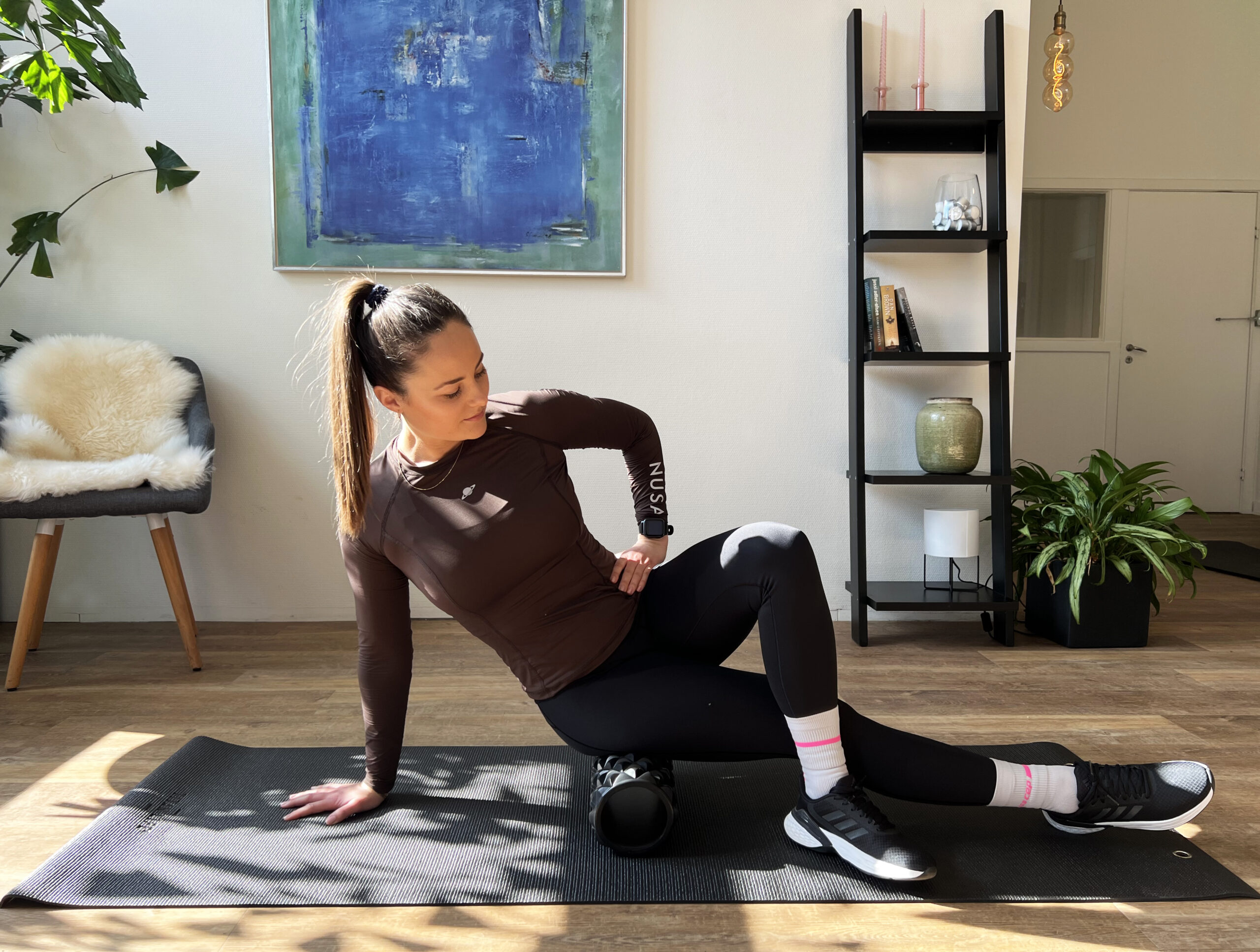
- Textured Rollers: Featuring ridges, knobs, or grid patterns, these rollers are designed to mimic a masseuse’s fingers and thumbs, digging deeper into muscle knots and providing more targeted relief. They’re best for experienced users looking to address stubborn tight spots.
Materials: What’s Inside Matters
Foam rollers are typically made from a few key materials, each with unique properties:
- Polyethylene (PE): This is the softest and most affordable material, often used for low-density rollers. While great for beginners, PE rollers tend to wear out faster and may lose their shape over time.
- Expanded Polypropylene (EPP): Offering a good balance of durability and firmness, EPP rollers are commonly found in gyms. They are lightweight but sturdy, making them suitable for regular, intensive use.
- Ethylene Vinyl Acetate (EVA): Known for its exceptional durability and resilience, EVA is a premium material often used in high-quality foam rollers. It’s flexible, elastic, and holds its shape well even with frequent use.
Why You Need a Foam Roller: Unlocking the Benefits
Incorporating a 36-inch foam roller into your routine can unlock a cascade of physical and mental benefits that will leave you feeling more agile, less stressed, and ready to tackle anything.
- Muscle Soreness Relief (DOMS): Foam rolling helps reduce Delayed Onset Muscle Soreness by increasing blood flow to muscles and flushing out metabolic waste products, speeding up recovery.
- Increased Flexibility and Range of Motion: By releasing tightness and adhesions in the fascia, foam rolling allows muscles to lengthen more effectively, leading to greater flexibility and improved joint mobility.
- Improved Circulation: The deep compression from the roller encourages healthy blood flow to muscle tissues, delivering essential oxygen and nutrients while aiding in waste removal.
- Injury Prevention and Rehabilitation: Regular foam rolling can help identify and address potential problem areas before they become injuries. It’s also a valuable tool in rehabilitating existing injuries by breaking down scar tissue and restoring normal tissue function.
- Enhanced Performance: More flexible muscles and better blood flow mean your body can perform more efficiently, whether you’re lifting weights, running, or simply moving through daily activities.
- Core Strength and Stability: Many foam roller exercises require core engagement to maintain balance, subtly strengthening your core muscles over time.
- Stress Reduction: The act of self-massage can be incredibly relaxing, easing muscle tension that often accompanies stress and promoting a sense of calm and well-being.
Your Step-by-Step Guide: How to Use Your 36-Inch Foam Roller for Every Major Muscle Group
The 36-inch foam roller is incredibly versatile, allowing you to effectively target almost any muscle group. Remember, slow and controlled movements are key, and always breathe deeply. Aim for 30-60 seconds on each area, pausing on particularly tender spots for a few extra breaths.
1. For Your Back (Upper and Mid-Back)
- Upper Back Roll:
- Sit on the floor with the foam roller positioned horizontally under your upper back, just below your shoulder blades.
- Bend your knees, place your feet flat on the floor, and cross your arms over your chest (or place hands behind your head for more support).
- Lift your hips slightly off the floor, engaging your core.
- Slowly roll up and down, from your shoulder blades to your mid-back, avoiding your neck and lower back.
- “A stable 36-inch roller is perfect for this, as it spans your entire upper back, providing crucial support,” says Dr. Elena Petrova, a renowned physical therapist.
- Mid-Back Extension (Thoracic Spine):
- Place the roller horizontally under your mid-back.
- With hands behind your head, gently arch your upper body over the roller, allowing your head to drop slightly.
- Hold for 10-15 seconds, feeling a gentle stretch in your chest and mid-back. Repeat several times, moving the roller to different spots on your mid-back.
2. Glutes and Hips
- Glute Roll:
- Sit on the foam roller, placing it directly under one glute.
- Cross the ankle of the glute you’re working over the opposite knee.
- Lean slightly into the glute you’re rolling, supporting yourself with your hands behind you.
- Roll slowly back and forth, and side to side, focusing on tight areas. Repeat on the other side.
- Hip Flexor Roll:
- Lie face down with the foam roller positioned under one hip flexor (the area where your thigh meets your torso).
- Extend that leg straight behind you and use your forearms for support.
- Gently roll back and forth across the hip flexor. Repeat on the other side.
3. Hamstrings
- Hamstring Roll:
- Sit on the floor with the foam roller positioned horizontally under your hamstrings (back of your thighs).
- Support yourself with your hands behind you.
- Lift your hips off the floor, engaging your core.
- Slowly roll from just above your knees to just below your glutes. For more pressure, cross one leg over the other.
4. Quadriceps
- Quad Roll:
- Lie face down in a plank position, placing the foam roller horizontally under your quadriceps (front of your thighs).
- Support yourself on your forearms.
- Slowly roll from just above your knees to your hip flexors. For deeper pressure, try rolling one leg at a time.
5. Calves
- Calf Roll:
- Sit on the floor with the foam roller positioned horizontally under your calves.
- Support yourself with your hands behind you and lift your hips.
- Roll slowly from just above your ankles to just below your knees. For increased pressure, cross one leg over the other.
6. IT Band (Indirectly)
- Focus on surrounding muscles: Remember, the IT band is dense connective tissue, not a muscle, so direct rolling can cause irritation. Instead, focus on the muscles that attach to it: the glutes (specifically gluteus maximus and tensor fascia latae) and the quads.
- Lie on your side with the foam roller under your outer thigh, just below your hip.
- Support yourself with your forearms and the opposite leg.
- Slowly roll down your outer thigh, focusing on the glute and upper quad area, then easing off before hitting the direct IT band.
Insider Tips and Common Pitfalls to Avoid with Your Foam Roller
To make the most of your 36-inch foam roller and stay safe, keep these tips in mind and avoid common mistakes:
- Go Slow and Steady: Resist the urge to rush. Slow, deliberate movements allow your muscles to respond to the pressure and release tension effectively. Aim for about one inch per second.
- Breathe Deeply: Proper breathing helps your muscles relax and allows you to tolerate discomfort. When you find a tender spot, take a few deep breaths and try to relax into the roller.
- Hydrate: Drink plenty of water before and after foam rolling to support healthy tissue hydration and flush out toxins.
- Listen to Your Body: Foam rolling can be uncomfortable, but it should never be excruciatingly painful. If you experience sharp, shooting pain, stop immediately.
- Avoid Rolling Directly on Joints or Bones: The foam roller is for muscles and soft tissue. Rolling directly on joints or bony prominences can cause irritation or injury.
- Don’t Roll Your Lower Back Directly: The lumbar spine is less protected by muscles. Rolling directly on your lower back can trigger protective muscle spasms. Instead, focus on releasing tightness in the glutes, hips, and upper back, which often contribute to lower back issues.
- Warm Up First: While you can use a foam roller as part of a warm-up, it’s best to have your muscles slightly warmed up (e.g., a few minutes of light cardio) before deep rolling to prevent bruising.
- Don’t Overdo It: Spending too much time on one spot (more than a minute or two) can cause more harm than good. A general guideline is 30-60 seconds per muscle group.
- Maintain Good Posture: Foam rolling requires core engagement and body awareness. Pay attention to your alignment to avoid reinforcing poor movement patterns.
Making It a Habit: Integrating Foam Rolling into Your Routine
Consistency is key to reaping the full benefits of your 36-inch foam roller. Here are a few ways to seamlessly weave it into your daily or weekly routine:
- Pre-Workout Warm-Up: Spend 5-10 minutes lightly rolling major muscle groups to increase blood flow and prepare your body for exercise. This can improve flexibility and prevent injury.
- Post-Workout Cool-Down: Dedicate 10-15 minutes after your workout to target the muscles you’ve just trained. This helps reduce soreness, speed up recovery, and improve flexibility.
- Rest Day Recovery: On days when you’re not exercising, a longer foam rolling session (20-30 minutes) can be a fantastic way to relax muscles, release tension, and improve overall mobility.
- Desk Break Recharge: If you spend long hours sitting, a quick 5-minute roll on your upper back, glutes, and hamstrings can counteract the effects of prolonged sitting and improve posture.
Who Should (and Shouldn’t) Grab a 36-Inch Foam Roller?
The 36-inch foam roller is a fantastic tool for a wide range of individuals:
- Athletes and Fitness Enthusiasts: For muscle recovery, flexibility, and performance enhancement.
- Office Workers: To counteract the stiffness and postural issues associated with prolonged sitting.
- Individuals with Muscle Tightness: Anyone experiencing general muscle tension or tightness can benefit from its release.
- Beginners to Foam Rolling: Its length offers great stability, making it less intimidating for newcomers.
- People Looking for Improved Mobility: It’s an excellent aid for enhancing range of motion and overall movement quality.
However, foam rolling isn’t for everyone, and certain conditions warrant caution or medical consultation:
- Acute Injuries: Avoid rolling directly on fresh sprains, strains, or fractures.
- Certain Medical Conditions: Individuals with osteoporosis, deep vein thrombosis, varicose veins, severe nerve damage, or certain skin conditions should consult a doctor before using a foam roller.
- Pregnancy: While some exercises may be safe, it’s best to consult a healthcare provider.
- Extreme Pain: If rolling causes sharp, radiating pain or worsens symptoms, stop and seek professional medical advice.
FAQ: Your Top Questions About the 36-Inch Foam Roller Answered
Q: Is a 36-inch foam roller suitable for beginners?
A: Absolutely! The 36-inch foam roller is often recommended for beginners because its longer length provides excellent stability, making it easier to balance and perform exercises for full-body rolling, especially for the back and larger muscle groups.
Q: How often should I use my 36-inch foam roller?
A: For general muscle maintenance and recovery, aiming for 3-5 times a week is a great starting point. If you’re targeting specific tight areas, you can use it daily, but remember to listen to your body and avoid overdoing it.
Q: What’s the difference between a smooth and textured 36-inch foam roller?
A: A smooth 36-inch foam roller provides an even, gentler pressure across the muscle, ideal for beginners or those with sensitive muscles. A textured roller, with its ridges or knobs, delivers a deeper, more targeted massage, mimicking a therapist’s hands, best for experienced users dealing with stubborn knots.
Q: Can a 36-inch foam roller help with cellulite?
A: While foam rolling can improve blood circulation and muscle tone, which might indirectly contribute to smoother-looking skin, there’s no scientific evidence to suggest it directly eliminates cellulite. Its primary benefits are muscle recovery and flexibility.
Q: How long should I spend on each muscle group?
A: A good general guideline is to spend 30-60 seconds on each muscle group. For particularly tight or tender areas, you can hold pressure for up to 90 seconds, but avoid staying on one spot for longer than two minutes to prevent excessive irritation.
Ready to Roll Towards a Better You?
The 36-inch foam roller is more than just a piece of fitness equipment; it’s an investment in your body’s health and well-being. By embracing this versatile tool, you’re giving yourself the power to relieve tension, enhance flexibility, speed up recovery, and cultivate a deeper connection with your body. Remember, consistency and proper technique are your best allies. So, unroll your path to a more mobile, less sore, and ultimately happier self. Start incorporating the 36-inch foam roller into your routine today and feel the remarkable difference it can make!