Ever feel like your muscles are holding a permanent grudge, stiff and sore after a tough workout or even just a long day at your desk? You’re not alone. Many of us grapple with muscle tension, restricted movement, and the dreaded delayed onset muscle soreness (DOMS) that can put a real damper on our fitness goals and daily comfort. But what if there was a simple, accessible tool that could help you unlock greater flexibility, speed up recovery, and genuinely feel better in your own skin? Enter the body roller foam, a game-changer in self-care and performance enhancement.
What is a Body Roller Foam and How Does it Work?
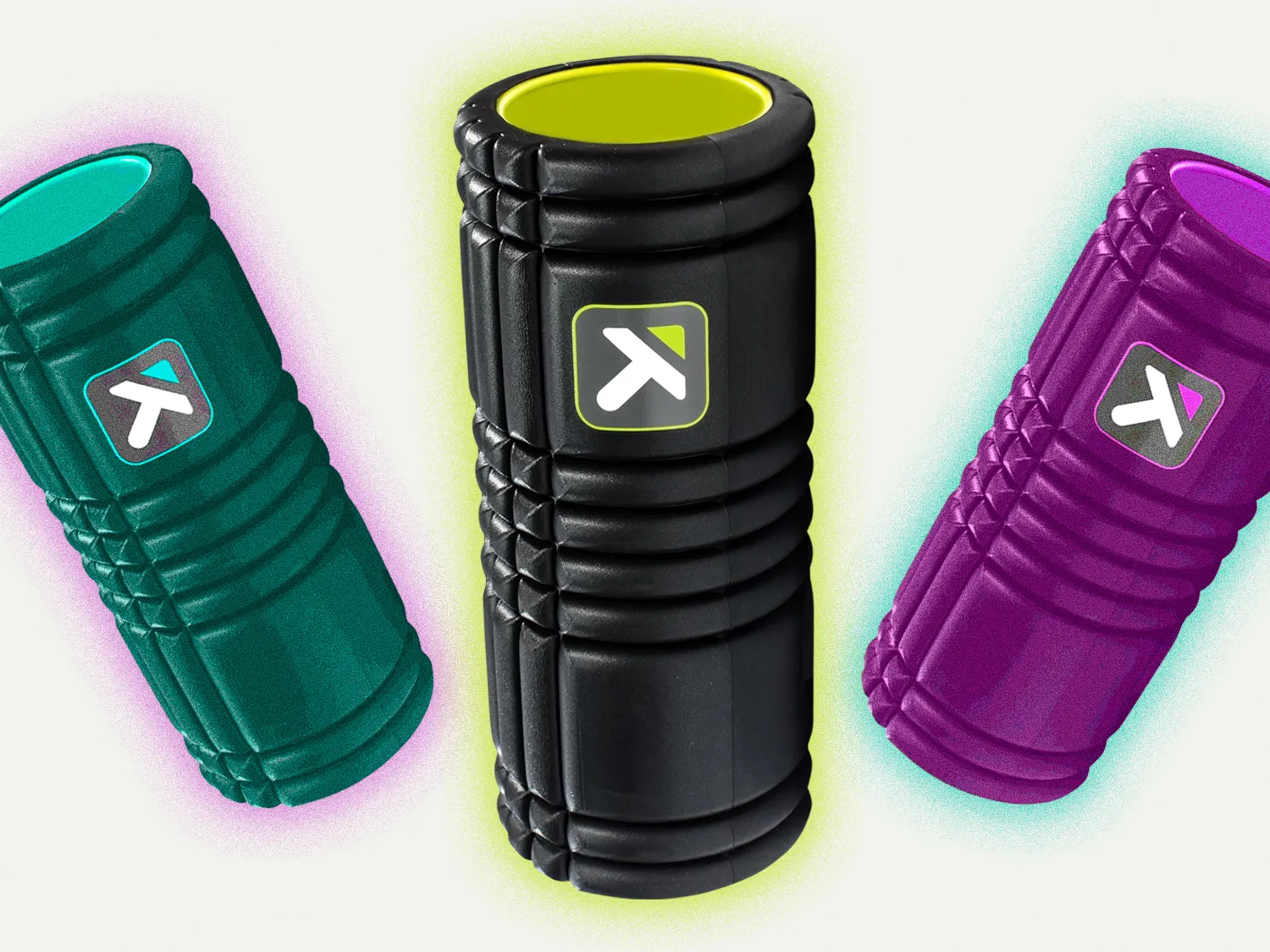
At its core, a body roller foam is a cylindrical tool designed for “self-myofascial release” (SMR) – essentially, giving yourself a deep tissue massage. Imagine a lightweight tube of dense foam that you use to apply pressure to your muscles and the surrounding connective tissues, known as fascia. By strategically rolling your body over this cylinder, you leverage your own body weight to pinpoint and release tight spots, often referred to as “knots” or “trigger points.”
But what exactly is fascia, and why is it so important? Think of fascia as a body-wide, continuous web of connective tissue that encases your muscles, bones, organs, and nerves. In a healthy state, fascia is supple and pliable, allowing your muscles to glide smoothly and move without restriction. However, factors like physical trauma, repetitive movements, poor posture, or even just intense exercise can cause the fascia to lose its elasticity, becoming tight, stiff, and prone to adhesions or “scar tissue.” This restriction can lead to pain, reduced range of motion, and impaired performance. When you use a body roller foam, the deep compression encourages blood flow to these restricted areas, helping to break up those adhesions and restore the fascia’s natural flexibility, much like a good massage.
The origins of this remarkable tool trace back further than you might think. Dr. Moshe Feldenkrais, a pioneering physicist, engineer, and martial artist in the mid-20th century, first explored using cylindrical supports for body awareness and balance work, laying the conceptual groundwork. It wasn’t until 1987 that physical therapist Sean Gallagher adapted these concepts, becoming the first to use foam rollers specifically as a self-massage tool for myofascial release, revolutionizing how we approach personal recovery and muscle care.
Types of Body Roller Foam: Finding Your Perfect Match
Just like choosing the right shoes for a run, selecting the perfect body roller foam for your needs can make all the difference. Rollers vary significantly in density, texture, size, and shape, each offering a unique experience and targeting different aspects of muscle relief.
Density: Soft, Medium, or Firm?
- Soft (Low-Density) Rollers: These are typically white and offer a gentler massage, compressing easily under your body weight. They are an excellent starting point for beginners, individuals with very sensitive muscles, or those recovering from injuries, providing a less intense, more soothing experience.
- Medium-Density Rollers: Often found in blue or red, these provide a balanced approach, offering enough pressure to be effective without being overly intense. They are suitable for most users who have some experience with foam rolling and are looking for a good all-around option.
- Firm (High-Density) Rollers: Usually black, these rollers are the choice for experienced users or athletes seeking a deeper, more intense deep-tissue massage. They offer maximum pressure to really dig into stubborn knots. As Dr. Anya Sharma, a leading sports physiotherapist, often advises, “Start gentle and gradually increase density. Your body will tell you when it’s ready for more intense pressure.”
Surface Texture: Smooth or Textured?
- Smooth Rollers: This basic design provides even pressure across the entire length of the roller. They are ideal for beginners and offer consistent, uniform pressure, making them less intimidating for first-timers.
- Textured Rollers: Featuring ridges, knobs, or grid patterns, these rollers are designed to mimic the hands of a massage therapist. The textures allow for more precisely targeted pressure, effectively digging deeper into muscle knots and adhesions. While more intense, they can be highly effective for addressing specific tight spots.
Size and Shape: Beyond the Basic Cylinder
- Long Rollers (around 36 inches): These are the most versatile and stable, making them a great choice for beginners and for rolling out larger muscle groups like your back, quads, and hamstrings. Their length allows for broad coverage and easier balance.
- Medium Rollers (13-24 inches): More compact, these are handy for targeting smaller muscle groups, single-limb work, or for those who need a more portable option.
- Short Rollers (4-12 inches): Super portable, short rollers are perfect for travel or focusing on very specific areas like the feet, shoulders, or arms.
- Half-Round Rollers: These look like a regular foam roller cut lengthwise in half. They are often used for stability exercises, leg and foot stretches, and can be particularly helpful for relieving symptoms of plantar fasciitis by massaging the arches of the feet.
- Foam Balls and Massage Sticks: For even more precise targeting, foam balls (like lacrosse balls) are excellent for getting into smaller, curved areas or trigger points, while massage sticks, similar to rolling pins, offer direct pressure control for areas like the calves and shins.
Choosing the right body roller foam depends on your current fitness level, sensitivity, and specific needs. Don’t be afraid to experiment to find what feels most effective and comfortable for you.
The Transformative Benefits of Body Roller Foam
Integrating a body roller foam into your routine is more than just a trend; it’s a commitment to enhancing your body’s overall well-being and performance. The benefits extend far beyond simply feeling good.
Easing Muscle Pain and Soreness (DOMS)
One of the most celebrated benefits of foam rolling is its ability to reduce delayed onset muscle soreness (DOMS). That familiar ache that kicks in a day or two after an intense workout can be significantly alleviated. By increasing blood flow and breaking down the tiny adhesions in your muscle tissue, foam rolling helps flush out metabolic waste and promotes faster repair. Studies suggest that foam rolling after exercise can lead to a decrease in DOMS and even improve subsequent physical performance.
Boosting Flexibility and Range of Motion
Tight muscles restrict your movement, limiting your potential in workouts and daily activities. Foam rolling helps restore the length and elasticity of your muscles and fascia, leading to increased flexibility and an improved range of motion in your joints. This isn’t just about touching your toes; it means more efficient movement patterns, reduced stiffness, and greater ease in everything you do.
Enhancing Blood Flow and Recovery
The deep compression applied by a body roller foam acts like a pump, encouraging fresh, oxygenated blood to flow into your muscles. This improved circulation delivers vital nutrients to your tissues and helps carry away waste products, significantly speeding up the recovery process after strenuous activity. “Think of it as hitting the reset button for your muscles,” explains Dr. Sharma. “Better blood flow means better nutrient delivery and faster healing.”
Preventing Injuries and Improving Performance
By addressing muscle imbalances, releasing tension, and improving overall mobility, foam rolling can play a crucial role in injury prevention. When your muscles are supple and your fascia is unrestricted, your body moves more efficiently, reducing undue stress on joints and tendons. This foundational strength and flexibility translate directly into improved athletic performance, whether you’re lifting weights, running, or practicing yoga.
Beyond Physical: Stress Relief?
While more scientific research is needed to definitively link foam rolling to stress reduction, many individuals report feeling a sense of relaxation and calm after a session. The act of releasing physical tension can certainly contribute to a feeling of mental ease, making it a valuable addition to your self-care ritual, especially if you find it personally soothing.
How to Use Your Body Roller Foam: A Step-by-Step Guide for Key Muscle Groups
Using a body roller foam effectively isn’t just about rolling aimlessly; it requires mindful movement and attention to your body’s signals. Here are some general principles and specific exercises for key muscle groups.
General Principles:
- Go Slow: Roll no more than an inch per second. This allows your muscles and fascia time to respond to the pressure.
- Moderate Pressure: Use your body weight to control the pressure. It should feel intense, but not sharp or excruciatingly painful. You’re looking for a “good pain.”
- Pause on Tender Spots: When you find an area that feels particularly tight or tender (a “hot spot”), pause on it for 20-30 seconds. Breathe deeply and try to relax into the pressure until the discomfort lessens.
- Engage Your Core: Keep your core muscles gently engaged to protect your lower back and maintain stability.
- Breathe Deeply: Deep, controlled breathing helps your muscles relax and allows you to tolerate the pressure more effectively.
- Avoid Bony Areas: Never roll directly over bones or joints. The foam roller is designed for soft tissue.
Lower Body Exercises
- Quadriceps (Front of Thighs)
- Lie face down with the body roller foam under your thighs, just above your knees.
- Support your upper body on your forearms.
- Slowly roll up and down from just above your knees to your hip flexors. You can rotate your legs slightly inward or outward to target different parts of the quads.
- Hamstrings (Back of Thighs)
- Sit on the floor with your legs extended, placing the body roller foam underneath your hamstrings.
- Use your hands to support your body, lifting your glutes off the floor.
- Slowly roll from just above your knees to your glutes. Cross one leg over the other for increased pressure on a single hamstring.
- Glutes (Buttocks)
- Sit directly on the body roller foam, placing one glute cheek on the roller.
- Cross the ankle of that same leg over your opposite knee.
- Lean slightly towards the side with the roller and slowly roll back and forth, targeting the gluteal muscles.
- Calves (Lower Legs)
- Sit on the floor with one leg extended, placing the body roller foam under your mid-calf.
- Prop yourself up with your hands behind you.
- Lift your hips slightly and roll from your ankle to just below your knee. Rotate your leg to target the inner and outer calf muscles.
- IT Band (Outer Thigh)
- Lie on your side with the body roller foam positioned under your outer thigh, just below your hip.
- Support your upper body with your forearms and use your top leg (bent, foot on the floor) for balance.
- Slowly roll from just below your hip to just above your knee. This can be intense, so adjust pressure carefully.
Upper Body & Core Exercises
- Upper Back (Thoracic Spine)
- Lie on your back with the body roller foam under your upper back, perpendicular to your spine.
- Cross your arms over your chest or place your hands behind your head to support your neck.
- Lift your hips slightly and slowly roll up and down from your mid-back to the top of your shoulders, avoiding your lower back.
- Latissimi Dorsi (Lats – Sides of Back)
- Lie on your side with the body roller foam under your armpit, perpendicular to your body.
- Extend your lower arm in line with your body.
- Slowly roll back and forth from your armpit down to your mid-torso. You can lean slightly forward or backward to target different angles of the muscle.
- Shoulders (Deltoids)
- Lie on your side with the body roller foam underneath one shoulder (deltoid muscle).
- Use your other arm and legs for support.
- Slowly roll up and down over your shoulder, gently rotating your trunk to hit different parts of the muscle.
Common Mistakes and Essential Tips for Effective Body Rolling
To maximize the benefits and avoid discomfort or injury, it’s helpful to be aware of common pitfalls and best practices.
Common Mistakes to Avoid:
- Rolling Too Fast: This prevents the muscle and fascia from fully relaxing and releasing tension. Slow and controlled is key.
- Applying Too Much Pressure Too Soon: While it can be uncomfortable, intense, sharp pain is a sign you’re pressing too hard or rolling over an injured area. Ease into it.
- Rolling Directly Over Bony Areas or Joints: Foam rollers are for soft tissue. Rolling over bones like your hip bone, knee cap, or lower back vertebrae can cause bruising or injury.
- Holding Your Breath: This increases tension throughout your body. Remember to breathe deeply and continuously.
- Spending Too Long on One Spot: While pausing on tender spots is good, staying in one very painful area for an extended period (more than 30-60 seconds) can sometimes lead to more irritation rather than release.
Essential Tips for Effective Body Rolling:
- Warm-Up First: Perform a light cardio warm-up (e.g., 5-10 minutes of cycling or brisk walking) before foam rolling. Warm muscles respond better to SMR.
- Consistency is Key: Incorporate foam rolling into your routine 1-3 times per week, even for just 10-15 minutes, to see lasting benefits.
- Listen to Your Body: Pay attention to how your body responds. If a movement causes sharp pain, adjust your position or stop.
- Stay Hydrated: Water helps keep your connective tissues pliable, enhancing the effects of foam rolling.
- Combine with Stretching: Foam rolling can make subsequent stretching more effective by preparing the muscles. “It’s like priming the pump,” says Dr. Sharma. “By releasing the initial tension, you allow for deeper, more effective stretching.”
Integrating Body Roller Foam into Your Fitness Routine
A body roller foam isn’t just a recovery tool; it’s a versatile piece of equipment that can enhance every phase of your fitness journey.
- Pre-Workout Warm-Up: Spend 5-10 minutes foam rolling major muscle groups before your workout. This helps increase blood flow, improve joint range of motion, and prepare your muscles for activity, potentially reducing injury risk.
- Post-Workout Recovery: After your exercise session, dedicate 5-10 minutes to foam rolling the muscles you’ve worked. This is where it truly shines in reducing post-exercise soreness and accelerating muscle repair.
- Active Recovery on Rest Days: On days off from intense training, a lighter foam rolling session can be a fantastic way to maintain muscle health, improve mobility, and promote circulation without adding stress to your body.
Is Body Roller Foam for Everyone? Who Should and Shouldn’t Roll
For most healthy individuals, incorporating a body roller foam into their routine is safe and highly beneficial. Athletes, fitness enthusiasts, and even those who experience everyday stiffness from sedentary lifestyles can reap significant rewards.
However, there are instances where caution is advised, and professional medical advice should be sought:
- Injuries: Avoid foam rolling directly over fresh injuries, open wounds, bruises, or acute muscle strains. Allow them to heal first.
- Chronic Pain Conditions: If you have chronic pain, consult a doctor or physical therapist before starting. They can guide you on appropriate techniques and areas to target or avoid.
- Medical Conditions: Individuals with certain medical conditions, such as severe osteoporosis, advanced diabetes, varicose veins, or blood clotting disorders, should consult their healthcare provider before using a foam roller.
- Pregnancy: Pregnant individuals should consult their doctor before engaging in foam rolling, especially for certain areas or if experiencing specific conditions.
“While foam rolling is a fantastic tool for self-care, it’s not a substitute for professional medical treatment,” Dr. Sharma emphasizes. “If you’re unsure, always talk to a healthcare professional, especially if you have an underlying condition or persistent pain.”
Frequently Asked Questions (FAQ)
- How long should I foam roll each area?
Aim for 30-60 seconds per muscle group, pausing on tender spots for 20-30 seconds until the discomfort lessens. The key is slow, controlled movement rather than speed. - Is foam rolling supposed to hurt?
It can be uncomfortable, especially when you hit a tight spot, often described as a “good pain.” However, it should never be excruciating or sharp. If you experience intense, unbearable pain, ease off the pressure or move to a different area. - Can I foam roll every day?
Yes, many people can foam roll daily, especially for short sessions as part of a warm-up or cool-down. Listen to your body; if an area is sore from rolling, give it a day to recover before rolling that specific spot again. - What’s the difference between a smooth and textured body roller foam?
Smooth rollers provide even, consistent pressure and are generally gentler, making them ideal for beginners. Textured rollers have ridges or knobs that mimic a deep tissue massage, targeting muscle knots more intensely and offering a more advanced experience. - Is there a “best” time to foam roll?
Both before a workout (as part of your warm-up to increase flexibility and blood flow) and after a workout (for recovery and reducing soreness) are effective. You can also use it on rest days for active recovery.
Conclusion
The body roller foam is more than just a fitness accessory; it’s a powerful tool for self-care, recovery, and unlocking your body’s full potential. By understanding how it works, choosing the right type, and applying proper techniques, you can effectively alleviate muscle soreness, boost flexibility, prevent injuries, and enhance your overall well-being. So, take a deep breath, grab your body roller foam, and embark on a journey towards a more mobile, comfortable, and resilient you. Your body will thank you for it!
|
Our Picks for the Best Foam Roller in 2026
As an Amazon Associate I earn from qualifying purchases.
|
||
| Num | Product | Action |
|---|---|---|
| 1 | TriggerPoint Grid 1.0 Foam Roller - 13\" Multi-Density Massage Roller for Deep Tissue & Muscle Recovery - Relieves Tight, Sore Muscles & Kinks, Improves Mobility & Circulation - Targets Key Body Parts |

|
| 2 | 321 Strong Foam Roller - Medium Density Deep Tissue Massager for Muscle Massage and Myofascial Trigger Point Release, with 4K eBook |
|
| 3 | High Density Foam Roller Massager for Deep Tissue Massage of The Back and Leg Muscles - Self Myofascial Release of Painful Trigger Point Muscle Adhesions - 13\" Blue |
|
| 4 | Yes4All High-Density EPP Round Back Roller Foam, Exercise Foam Roller for Yoga, Pilates & Stretching - 12, 18, 24, 36 inch |
|
| 5 | Foam Roller Set - High Density Back Roller, Muscle Roller Stick,2 Foot Fasciitis Ball, Stretching Strap, Massager Ball for Whole Body Physical Therapy & Exercise, Yoga, Back Pain, Leg, Deep Tissue |
|
| 6 | Amazon Basics High Density Foam Roller |
|
| 7 | Amazon Basics High Density Foam Roller |
|
| 8 | Amazon Basics High Density Foam Roller |
|
| 9 | Amazon Basics High Density Foam Roller |
|
| 10 | Day 1 Fitness High Density Foam Roller – Deep Tissue Muscle Massage & Myofascial Release for Recovery, Physical Therapy, Exercise & Pain Relief – Multiple Sizes & Colors |
|