Are you feeling those nagging aches and stiffness after a tough workout, a long day at the desk, or just from the general wear and tear of life? You’re not alone. Many people are discovering a simple yet incredibly effective tool to combat muscle soreness and improve their overall well-being: the foam roller. But with so many options out there, how do you find the Best Foam Roller that truly meets your needs? Think of me as your personal guide, here to demystify the world of foam rolling and help you unlock a new level of self-care and recovery.
What Exactly is a Foam Roller and How Did We Get Here?
At its core, a foam roller is a self-massage tool designed to perform myofascial release. “Myo” refers to muscle, and “fascia” is the connective tissue that surrounds your muscles, bones, and organs. Over time, physical activity, stress, or inactivity can cause these tissues to tighten, creating “knots” or trigger points that lead to pain and restricted movement.
The concept of self-massage for muscle relief isn’t new, but the widespread use of foam rollers gained traction in the fitness and physical therapy communities. What started as simple cylindrical pieces of foam has evolved into a sophisticated range of tools, each designed to target specific needs. They’ve become a staple for athletes and everyday individuals alike, helping to keep our bodies moving freely and feeling great.
Beyond the Basics: Demystifying Foam Roller Types and Materials
Choosing the best foam roller means understanding the variety available. It’s not a one-size-fits-all situation; what works wonders for one person might be too intense or too gentle for another.
Smooth Foam Rollers: Your Gentle Introduction
These are typically the most common type and often recommended for beginners. With a uniform, smooth surface, they provide even pressure across the muscle, making them great for general muscle soreness, lengthening muscles, and improving flexibility without being overly aggressive. They are fantastic for easing into the practice of foam rolling.
Textured and Gridded Foam Rollers: For a Deeper Dive
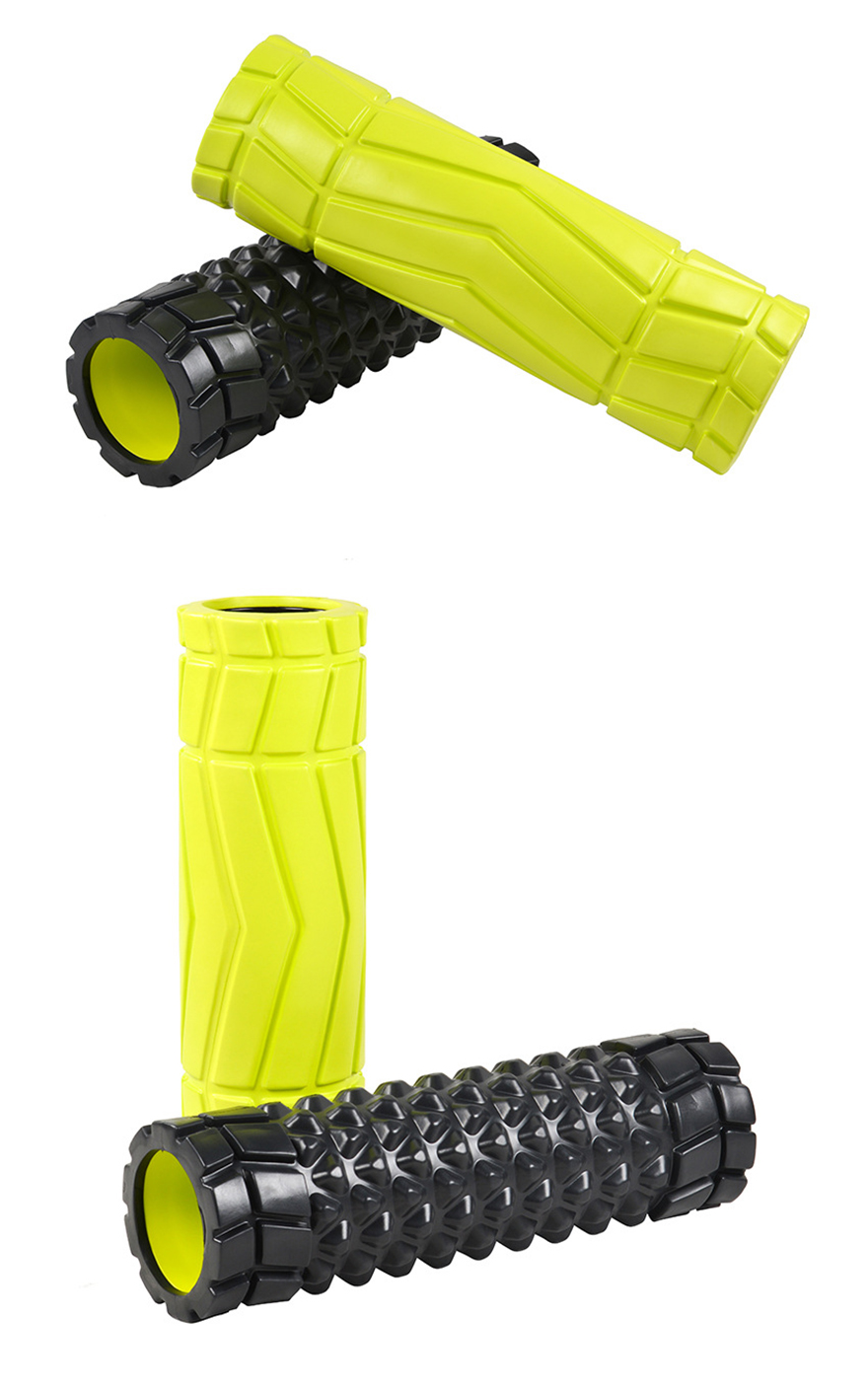
If you’re ready for more intensity, textured or gridded rollers are your next step. These rollers feature bumps, ridges, or various patterns designed to mimic a therapist’s fingers, thumbs, or palms. They can penetrate deeper into the muscle tissue, effectively targeting stubborn knots and trigger points. This type is often considered the best foam roller for those seeking a more intense, deep-tissue massage experience.
Vibrating Foam Rollers: The Cutting Edge of Recovery
For an advanced experience, vibrating foam rollers integrate oscillation into the rolling action. The vibrations are thought to help desensitize the area being rolled, dampening the pain signals and allowing for deeper penetration without as much discomfort. These high-tech rollers are often favored by serious athletes looking for enhanced recovery and pain relief, making them a strong contender for the title of “best” for advanced users.
Density Matters: Soft, Firm, and Everything in Between
The firmness of a foam roller is crucial.
- Soft density rollers are ideal for beginners, those with sensitive muscles, or individuals recovering from injury, offering a gentler massage.
- Medium density rollers strike a balance, providing effective pressure for most users without being too overwhelming.
- Firm or extra-firm rollers are best for experienced users, athletes, or those with very dense muscle tissue who require significant pressure to release deep knots. Your comfort level and experience with deep tissue work should guide your choice here.
Size and Shape: Tailoring to Your Body
Foam rollers come in various lengths and diameters.
- Long rollers (around 36 inches) are versatile for full-body work, especially for exercises involving your back or balancing.
- Shorter rollers (12-18 inches) are more portable and excellent for targeting specific areas like calves, arms, or feet.
- Smaller diameters can provide more intense, focused pressure, while larger diameters offer a broader, more stable surface. Some rollers also feature specific grooves or contours, designed to comfortably accommodate the spine or target particular muscle groups.
Materials: Durability Meets Comfort
Most foam rollers are made from EVA foam, which offers a good balance of durability and comfort. High-quality EVA foam will retain its shape even with consistent use. Some rollers feature a hollow plastic core with foam wrapping, which can increase durability and allow for firmer pressure. When searching for the best foam roller, consider the longevity and how the material feels against your skin.
The Incredible Benefits: Why Everyone Needs a Foam Roller
Integrating a foam roller into your routine can revolutionize how your body feels and performs. The benefits extend far beyond just feeling good in the moment.
Alleviates Muscle Soreness and Accelerates Recovery
One of the primary reasons people grab a foam roller is to reduce Delayed Onset Muscle Soreness (DOMS) after a workout. By applying pressure, foam rolling helps increase blood flow to muscles, flush out metabolic waste, and reduce inflammation, speeding up your recovery process.
Improves Flexibility and Range of Motion
Regular foam rolling can help break down adhesions in the fascia, allowing your muscles to move more freely and efficiently. This leads to improved flexibility and a greater range of motion in your joints, which is vital for both athletic performance and daily activities.
Enhances Warm-up and Cool-down Routines
Using a foam roller before a workout can prime your muscles for activity, while a post-workout session aids in relaxing muscles and initiating the recovery process. It’s an effective way to prepare and de-stress your body.
Aids in Injury Prevention and Rehabilitation
By addressing muscle imbalances and tightness, foam rolling can reduce the risk of common injuries. For those already rehabilitating an injury, it can be a valuable tool (always under professional guidance) to restore muscle function and reduce scar tissue.
Reduces Stiffness and Promotes Relaxation
Beyond physical benefits, the act of foam rolling can be incredibly relaxing. Releasing muscle tension can contribute to an overall sense of calm and well-being, easing both physical stiffness and mental stress.
Your Personal Rolling Routine: A Guide to Targeting Key Muscle Groups
Ready to roll? Here’s how to effectively use your foam roller for some common problem areas. Remember, slow and controlled movements are key, and always listen to your body. Breathe deeply through any tender spots.
How to Foam Roll Your Back
- Upper and Mid-Back: Lie on your back with the foam roller placed under your upper back, perpendicular to your spine. Cross your arms over your chest or place hands behind your head to support your neck. Lift your hips slightly off the floor and slowly roll from your upper back down to your mid-back, avoiding your lower back.
- Lower Back: Many experts advise caution here. Rolling directly on the lumbar spine can put undue pressure on the vertebrae. Instead, focus on the muscles around your lower back, like your glutes and hips, which often contribute to lower back pain. If you must roll your lower back, use a very soft roller and keep movements minimal and gentle.
Tackling Tight Hamstrings and Quads
- Hamstrings: Sit on the roller with it positioned under one hamstring. Use your hands for support and slowly roll from just above your knee to your glute. You can add more pressure by crossing your other leg over the one being rolled.
- Quads: Lie face down with the roller under your quads. Support yourself on your forearms and roll from your hip flexors down to just above your knees. You can roll both legs at once for less intensity or one leg for a deeper massage.
Calves and IT Bands: Specific Strategies
- Calves: Sit with the roller under your calves. You can roll both calves simultaneously or cross one leg over the other for increased pressure on a single calf. Roll from your Achilles tendon up to just below your knee.
- IT Band: Lie on your side with the roller under your outer thigh, just below your hip. Support yourself with your hands and the opposite foot. Slowly roll down towards your knee. This can be intense, so start gently.
“Proper foam rolling isn’t just about moving back and forth,” advises Dr. Evelyn Reed, a Physical Therapy Specialist. “It’s about finding those tender spots, applying sustained pressure for 20-30 seconds, and allowing the muscle to release. Think of it as melting butter, not scrubbing a floor.”
Rolling Like a Pro: Tips to Maximize Your Session & Avoid Common Pitfalls
To truly get the best foam roller experience, mastering the technique is crucial.
Do’s for Effective Foam Rolling:
- Hydrate: Drink water before and after your session to aid muscle recovery.
- Listen to Your Body: Discomfort is normal, but sharp or excruciating pain is a sign to stop.
- Consistent Use: Regular, shorter sessions (5-10 minutes daily) are often more effective than infrequent, long ones.
- Proper Form: Maintain good posture and control to ensure you’re targeting the muscles correctly.
- Breathe: Deep, steady breaths help relax muscles and manage discomfort.
Don’ts to Avoid Injury:
- Don’t Roll Directly on Joints or Bones: Focus on muscle tissue only.
- Don’t Over-Roll a Spot: Spending too much time on one area can cause bruising or irritation.
- Don’t Hold Your Breath: This can increase tension in your body.
- Don’t Roll Too Fast: Slow, controlled movements are much more effective.
- Don’t Roll on Acute Injuries: If you have a fresh injury, consult a professional before foam rolling.
Integrating Your Foam Roller into Your Wellness Journey
The versatility of the foam roller means it can fit into almost any part of your day.
- Before Workouts: A quick 5-minute roll can serve as dynamic stretching, improving blood flow and preparing your muscles for exercise.
- After Workouts: Crucial for recovery, helping to reduce post-exercise soreness and maintain flexibility.
- Daily Maintenance: For those with sedentary jobs or general stiffness, a short daily session can alleviate tension and improve posture.
Is a Foam Roller Right for You?
Foam rollers are fantastic tools, but they aren’t for everyone in every situation.
Who Benefits Immensely:
- Athletes: For enhanced performance, faster recovery, and injury prevention.
- Sedentary Individuals: To counteract the effects of prolonged sitting and reduce stiffness.
- Anyone with Muscle Tightness: A cost-effective way to manage everyday aches and pains.
Who Should Be Cautious:
- Individuals with Certain Medical Conditions: Those with osteoporosis, severe varicose veins, or certain neurological conditions should consult a doctor before using a foam roller.
- Pregnant Women: It’s always wise to get clearance from your healthcare provider.
- People with Acute Injuries: While foam rolling helps recovery, it shouldn’t be used on fresh, inflamed injuries without professional guidance.
“The best foam roller for you isn’t necessarily the most expensive or the one with the most bells and whistles,” explains Coach Ben Carter, a Certified Strength and Conditioning Coach. “It’s the one you’ll actually use consistently, that feels comfortable enough to be effective, and matches your body’s needs and your current fitness level.”
Frequently Asked Questions
How often should I use a foam roller?
For general maintenance and recovery, 5-10 minutes a day, or 2-3 times a week, is a great starting point. Athletes might use it more frequently, depending on their training intensity.
Does foam rolling hurt?
You might experience some discomfort, especially on tight or tender spots, often described as a “good pain.” However, it should never be excruciating or sharp pain. If it hurts too much, ease up on the pressure or try a softer roller.
Can foam rolling break up cellulite?
While foam rolling can improve blood flow and skin elasticity, there’s no scientific evidence to suggest it can permanently break up or eliminate cellulite.
What’s the difference between a foam roller and a massage gun?
Both are self-massage tools, but they work differently. Foam rollers use body weight and sustained pressure over a larger surface area. Massage guns use percussive therapy, delivering rapid, targeted vibrations to a smaller area, often penetrating deeper into muscle tissue. Your “best” choice depends on your preference for broad vs. targeted relief.
How do I clean my foam roller?
Most foam rollers can be easily cleaned with a damp cloth and a mild soap solution. Allow it to air dry completely before storing.
Conclusion
Finding the best foam roller is a personal journey, but a rewarding one. This simple, yet powerful tool can be a game-changer for your muscle health, flexibility, and overall sense of well-being. Whether you’re a seasoned athlete or just starting your fitness journey, there’s a foam roller out there perfectly suited to help you feel stronger, move more freely, and recover like a champion. Don’t underestimate the power of self-care—grab a foam roller, roll out your worries, and empower your body to perform at its best.