Ever wondered about that sleek, often intimidating, black cylinder lurking in the corner of your gym or home? That’s your Black Foam Roller, a powerful tool designed to unlock your body’s full potential. As a trusted advisor and content creator for vcviu.com, I’m here to guide you through the ins and outs of this essential piece of equipment, helping you understand its benefits and how to wield it effectively for enhanced recovery, flexibility, and overall well-being.
What Exactly is a Foam Roller, and Why Black?
At its core, a foam roller is a cylindrical tool used for self-myofascial release (SMR). Fancy term, right? It essentially means giving yourself a deep tissue massage to alleviate muscle tightness, reduce soreness, and improve your range of motion. Think of it as your personal, on-demand masseuse, ready to knead out those stubborn knots.
While foam rollers come in various colors and densities, the black foam roller specifically stands out for its firm, high-density construction. This density is crucial because it allows the roller to apply more intense, penetrating pressure to your muscles and connective tissues (fascia), targeting deeper knots and adhesions that softer rollers might miss. Many black foam rollers are made from Expanded Polypropylene (EPP) foam, known for its superior durability and ability to withstand rigorous, repeated use without losing its shape. This makes them a favorite among athletes and individuals accustomed to deep tissue work.
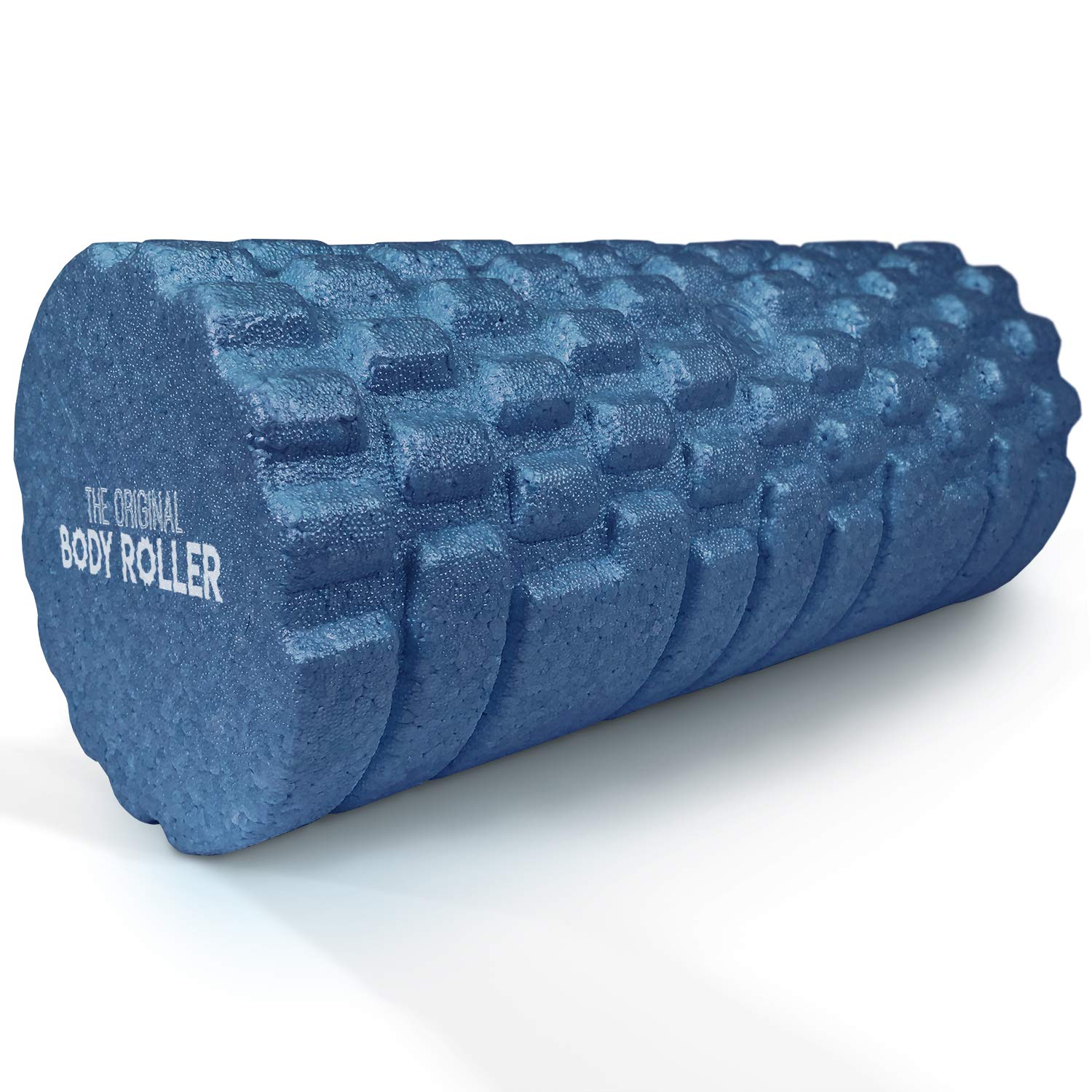
A black foam roller is often seen as a staple for serious recovery, offering a robust tool for self-massage.
The Myriad Benefits of Embracing the Black Foam Roller
Integrating a black foam roller into your routine can revolutionize how your body feels and performs. Here’s how this simple tool can make a significant impact:
Reducing Muscle Soreness and Accelerating Recovery
After an intense workout, that familiar ache of Delayed Onset Muscle Soreness (DOMS) can be a real buzzkill. Foam rolling helps by improving blood flow and circulation to the muscles, aiding in the removal of metabolic waste products and delivering fresh, nutrient-rich blood. This “flushing” action helps reduce inflammation and speeds up the healing process, getting you back to peak performance faster. Studies suggest that foam rolling can significantly reduce muscle soreness and increase the pressure pain threshold.
Enhancing Flexibility and Range of Motion
Tight muscles can limit your flexibility, restricting movement and even contributing to poor posture. Regular use of a foam roller can help lengthen and loosen tight muscles and fascia, thereby increasing your joint range of motion. This temporary increase in mobility, particularly when incorporated into your warm-up, can improve your athletic performance without compromising strength.
Boosting Circulation and Promoting Healthy Fascia
Healthy fascia is hydrated and supple fascia. Foam rolling acts like squeezing a sponge, pushing out old, stagnant fluids and allowing fresh, oxygenated blood to flow in. This improved circulation and lymphatic drainage are vital for tissue health, nutrient delivery, and overall muscle function.
Relieving Tension and Melting Away Trigger Points
Those nagging “knots” in your muscles, known as trigger points, can cause discomfort and restrict movement. The firm pressure of a black foam roller is exceptionally effective at targeting these trigger points. By applying sustained pressure, you encourage these tight spots to release, alleviating localized pain and improving muscle function.
Improving Body Awareness (Proprioception) and Posture
As you roll, you become more aware of areas of tightness and imbalance in your body. This heightened proprioception—your body’s sense of its position in space—can lead to better movement patterns and improved posture. By releasing tension in common postural muscles, you can stand taller and move more efficiently.
Promoting Relaxation Through Your Nervous System
While intense, foam rolling can also have a calming effect. The pressure on your muscles can stimulate mechanoreceptors, which send signals to your nervous system, promoting a relaxation response. Many find it a beneficial way to unwind after a stressful day, especially when combined with deep breathing.
How to Effectively Use Your Black Foam Roller: A Beginner’s Guide
Using a foam roller isn’t about enduring extreme pain; it’s about applying therapeutic pressure effectively. Here’s a step-by-step guide to get you started:
- Warm-up First: Before you even touch the roller, engage in a light warm-up activity like a few minutes of cardio to increase blood flow and prepare your muscles.
- Position and Apply Pressure: Gently lower yourself onto the black foam roller, positioning it beneath the muscle group you want to target. Use your body weight to control the pressure. Start with light pressure and gradually increase as your muscles begin to relax.
- Roll Slowly and Deliberately: Roll the foam roller back and forth along the length of the muscle at about one inch per second. The key is slow and controlled movement.
- Pause on Tender Spots: When you find a particularly tight or tender spot (a “trigger point”), pause there. Apply sustained pressure for 20-30 seconds, allowing the muscle to relax and release. It might feel uncomfortable, but it shouldn’t be sharp or unbearable pain.
- Breathe and Relax: Take deep, slow breaths throughout the process. Holding your breath can increase tension, which is the opposite of what you want to achieve.
- Avoid Bones and Joints: Never roll directly over bones or joints, or extremely sensitive areas like your neck or lower back (unless specifically advised by a professional for targeted relief, and with extreme caution). Focus on the muscle belly.
- Start with Larger Muscle Groups: Begin with major muscle groups like your quadriceps, hamstrings, and glutes to acclimate your body to the sensation.
“Think of foam rolling as a conversation with your body,” advises Dr. Anya Sharma, a Sports Physiotherapist and Wellness Consultant. “You’re listening for tight spots and then gently, patiently encouraging them to let go. The firmness of a black roller is excellent for deeper work, but always respect your body’s feedback.”
Targeted Foam Rolling Exercises for Key Muscle Groups
Let’s dive into some specific exercises to target common areas of tightness using your black foam roller.
Lower Body
Calves (Gastrocnemius & Soleus)
- Sit on the floor with one leg extended, placing the foam roller under your calf.
- Cross your other leg over the extended one to add pressure.
- Prop yourself up with your hands behind you and lift your hips slightly.
- Roll slowly from your ankle to just below your knee. Rotate your leg slightly to target different parts of the calf.
Hamstrings
- Sit on the foam roller with it positioned under your hamstrings.
- Place your hands on the floor behind you for support.
- Roll from just above your knee to just below your glutes. You can roll both legs simultaneously or one at a time for deeper pressure.
Glutes (Gluteus Maximus, Medius, Minimus)
- Sit on the foam roller, placing one glute cheek on it.
- Cross the ankle of that leg over your opposite knee.
- Lean slightly towards the side you are rolling.
- Roll from your hip to the middle of your glute.
Quadriceps
- Lie face down with the foam roller under one thigh, just above the knee.
- Support your upper body on your forearms.
- Roll from just above your knee to your hip flexors. Repeat on the other leg.
IT Band (Iliotibial Band)
- Lie on your side with the foam roller under your outer thigh, just below the hip.
- Use your forearms and the foot of your top leg on the floor for support.
- Roll slowly along the outer thigh from just above your knee to just below the boniest part of your hip. This area can be very tender, so go slowly and adjust pressure as needed.
Upper Body & Core
Lats (Latissimus Dorsi)
- Lie on your side with the foam roller underneath your armpit, perpendicular to your body.
- Extend your lower arm in line with your body.
- Roll back and forth from your armpit down to your mid-torso, leaning slightly forward or backward to reach different parts of the muscle.
Upper Back (Rhomboids, Trapezius)
- Lie on your back with the foam roller under your mid-upper back.
- Cross your arms over your chest or place your hands behind your head to support your neck.
- Lift your hips slightly and slowly roll up and down from the base of your neck to the bottom of your rib cage. Avoid rolling your lower back directly.
Chest (Pectorals)
- Lie face down and place the foam roller under one side of your chest, near your armpit.
- Extend that arm out to the side.
- Gently roll side to side, focusing on releasing tension in the pectoral muscles. Repeat on the other side.
Tips for Maximizing Your Black Foam Roller Experience
- Consistency is Key: Regular, even short, sessions are more effective than infrequent, long ones. Aim for 5-10 minutes a few times a week.
- Hydrate, Hydrate, Hydrate: Water is crucial for healthy, supple fascia. Drink plenty of water before and after foam rolling.
- Combine with Stretching: Foam rolling before stretching can prepare your muscles, while foam rolling after stretching can help lock in newfound flexibility.
- Listen to Your Body: Discomfort is normal; sharp or intense pain is a warning sign. Back off the pressure or move to a different area if pain persists.
- Don’t Rush It: Rolling too fast doesn’t allow the muscle enough time to release. Slow and steady wins the race.
- Mind-Muscle Connection: Be present and focus on the sensations. This connection helps you identify and release tension more effectively.
Who Should and Shouldn’t Use a Black Foam Roller?
Who Should Use It?
- Athletes and Active Individuals: For warm-up, cool-down, and recovery to enhance performance and prevent injuries.
- Individuals with Muscle Tightness: Anyone experiencing chronic muscle tightness from exercise, stress, or sedentary lifestyles.
- Experienced Foam Roller Users: Those who have used softer rollers and need more intense pressure to target deeper muscle issues.
- Office Workers: To counteract the effects of prolonged sitting and improve posture.
Who Should Exercise Caution or Avoid It?
- Beginners: While black foam rollers are effective, their firmness can be intense for newcomers. Starting with a softer roller and gradually progressing might be more comfortable.
- Individuals with Acute Injuries: Do not roll directly over recent injuries, open wounds, or bruised areas without medical advice.
- Those with Certain Medical Conditions: If you have severe osteoporosis, deep vein thrombosis, advanced varicose veins, or certain neurological conditions, consult a healthcare professional before using a foam roller.
- Pregnancy: Consult a doctor, especially concerning abdominal or lower back areas.
Integrating the Black Foam Roller into Your Routine
A black foam roller can be a versatile addition to various parts of your fitness regimen:
- Before Workouts: Use it as part of your warm-up to increase blood flow, improve mobility, and “wake up” your muscles, potentially enhancing explosive performance.
- After Workouts: Incorporate it into your cool-down to help relieve muscle tension, reduce lactic acid buildup, and promote relaxation, especially when paired with deep breathing.
- On Rest Days: Use it for active recovery, maintaining muscle health, and relieving any accumulated tension. It’s a great tool for overall maintenance and flexibility work.
Common Mistakes to Avoid
- Rolling Too Fast: You’re not trying to win a race. Slow, deliberate movements allow muscles to respond and release.
- Spending Too Long on One Spot: While pausing on tender spots is good, excessive pressure for too long can irritate the tissue. Aim for 20-30 seconds per spot.
- Applying Too Much Pressure: Especially if you’re new to the black foam roller’s firmness, ease into the pressure. Too much too soon can cause bruising or guarding.
- Rolling Directly Over Joints or Bones: This can cause irritation. Always aim for the muscle belly.
- Holding Your Breath: Remember to breathe deeply. Holding your breath increases tension, making it harder for muscles to relax.
Frequently Asked Questions (FAQ)
Is a black foam roller harder than other colors?
Generally, yes. Black foam rollers are typically made from higher-density materials like EPP foam, making them the firmest option available. This provides deeper pressure compared to softer, often white or blue, foam rollers.
How often should I use a black foam roller?
For most individuals, 3-5 times a week for 5-15 minutes per session is a good starting point. You can adjust the frequency and duration based on your body’s needs and activity level.
How long should I roll each muscle group?
Focus on each muscle group for 30-60 seconds, pausing for 20-30 seconds on any tender spots you encounter.
Can foam rolling cause injury?
When used improperly, foam rolling can potentially cause bruising or muscle irritation. Avoid rolling over bones, joints, or acute injuries. Always listen to your body and avoid excessive pain.
What’s the difference between a smooth and a textured black foam roller?
A smooth black foam roller provides even pressure across the muscle, which is great for general release. A textured black foam roller, with its bumps or ridges, mimics a deep tissue massage and can target trigger points more intensely.
Unlock Your Body’s Potential
The black foam roller is more than just a piece of exercise equipment; it’s an investment in your body’s recovery, flexibility, and overall well-being. By understanding its unique properties and learning how to use it effectively, you can unlock a new level of self-care and physical performance. From reducing post-workout soreness and improving your range of motion to melting away stubborn knots, this robust tool empowers you to take control of your muscle health. So, embrace the challenge, listen to your body, and roll your way to a more supple, resilient, and pain-free you. Your muscles will thank you!