Ever feel those stubborn knots in your muscles after a tough workout or a long day hunched over a desk? That persistent ache, the limited range of motion—it’s more than just discomfort; it’s your body signaling for some serious attention. Enter the Deep Tissue Foam Roller, a game-changer in muscle recovery and flexibility that acts like your personal, on-demand massage therapist. Far from a simple stretching tool, this powerful piece of equipment is designed to dive deep, targeting those entrenched areas of tightness and tension to bring you profound relief and enhanced performance.
What is a Deep Tissue Foam Roller, and How Does it Work?
At its core, a deep tissue foam roller is an instrument for self-myofascial release (SMR). Think of fascia as a body-wide web of connective tissue that encases your muscles, organs, and bones, providing support and allowing smooth movement. Over time, due to intense exercise, poor posture, stress, or even everyday inactivity, this fascia can tighten, developing adhesions or “knots”—also known as trigger points. These knots restrict movement, reduce blood flow, and often cause pain.
While standard foam rollers offer a gentler, more superficial massage, a deep tissue foam roller is specifically engineered to apply more intense, localized pressure. Its firmer density and often textured surface allow it to penetrate deeper into the muscle and fascial layers. By slowly rolling over these tight spots, you’re essentially applying sustained pressure, helping to “iron out” the knots, release tension, and restore the natural elasticity of your tissues. It’s like working out kinks in a rope, allowing it to move freely again.
Difference Between Deep Tissue and Regular Foam Rollers
The primary distinction lies in intensity and target. Regular foam rollers, typically smoother and softer, are excellent for general muscle relaxation and improving blood flow. They’re a great starting point for beginners. Deep tissue foam rollers, however, are characterized by their higher density and often textured, bumpy surfaces. These textures mimic a masseuse’s knuckles or elbows, digging into the muscle to provide a more aggressive and effective release for chronic tightness and deeper trigger points. If you’ve ever tried a regular roller and felt it wasn’t quite hitting the spot, a deep tissue version might be what you need.
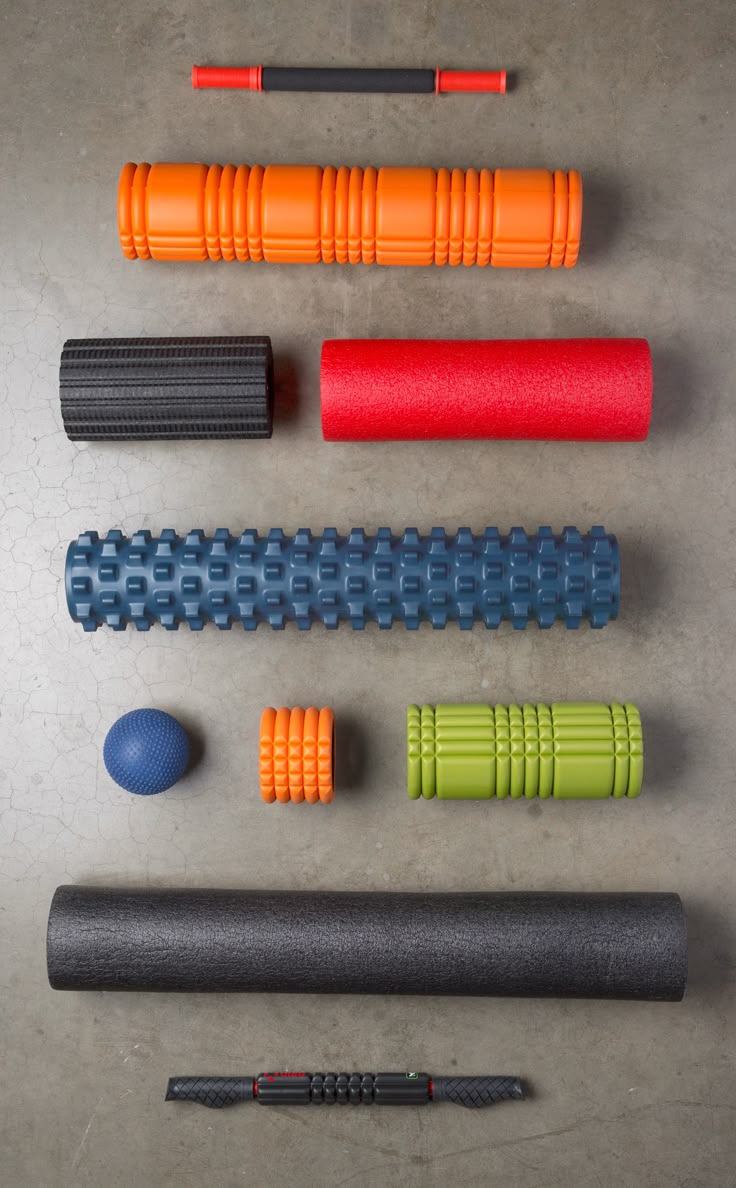
Types of Deep Tissue Foam Rollers and Materials
Choosing the right deep tissue foam roller is crucial for maximizing its benefits and ensuring a safe, effective experience. They vary mainly by density, surface texture, and size.
Density: The Core of Deep Tissue Work
Deep tissue foam rollers are typically firm or extra-firm.
- Firm/High-Density Rollers: These are the go-to for experienced users and athletes looking for a profound massage. They compress minimally, delivering intense pressure that can truly dig into stubborn knots. Often, these are black in color.
- Vibrating Rollers: For those seeking an advanced experience, vibrating foam rollers combine deep pressure with therapeutic vibrations. This technology can further enhance muscle relaxation, minimize discomfort, and penetrate even deeper, making them a premium choice for serious recovery.
Surface Texture: Simulating a Professional Touch
The surface of your foam roller dictates the type of massage you’ll receive.
- Textured Rollers: Featuring ridges, knobs, or grid patterns, these rollers are designed to mimic the varied pressure of a massage therapist’s hands. They provide more targeted relief by concentrating pressure on specific areas, effectively breaking down knots and adhesions. Many textured rollers offer a mix of patterns, allowing you to choose different intensities.
- Smooth (Firm) Rollers: While most deep tissue rollers are textured, you can find firm, smooth options. These provide uniform, intense pressure across a larger surface area, which can be beneficial for broader muscle groups before progressing to textured options.
Shapes and Sizes: Tailoring Your Tool
Foam rollers come in various dimensions to suit different needs:
- Standard Cylindrical (5-6 inches diameter, 24-36 inches long): Versatile for large muscle groups like the back, quads, and hamstrings, offering stability.
- Smaller Diameter (3-4 inches): These provide more targeted, intense pressure for deeper muscle work.
- Short Rollers (4-12 inches): Excellent for isolating smaller muscle groups like calves or shoulders, and convenient for travel.
- Foam Massage Sticks (Rolling Pins): Handheld tools that allow precise pressure control, particularly useful for legs and arms.
- Massage Balls: Ideal for pinpointing very specific, hard-to-reach areas like the glutes, pectorals, or feet.
Unlocking the Benefits of Deep Tissue Foam Rolling
Incorporating a deep tissue foam roller into your routine can revolutionize how your body feels and performs.
Enhanced Muscle Recovery and Soreness Relief
One of the most immediate benefits is the reduction of muscle soreness, especially delayed onset muscle soreness (DOMS) after intense workouts. By increasing blood flow and breaking down knots, deep tissue foam rolling helps flush out metabolic waste products and speeds up the delivery of oxygen and nutrients to fatigued muscles, promoting faster recovery.
Improved Flexibility and Range of Motion
Tight muscles and fascia limit your ability to move freely. Regular deep tissue foam rolling helps lengthen and soften these tissues, significantly improving your flexibility and overall range of motion. This allows for more efficient movement patterns in daily life and during exercise.
Boosting Blood Flow and Nutrient Delivery
The pressure and rolling action stimulate circulation, bringing fresh, oxygenated blood and essential nutrients to your muscles. “Improved circulation is like giving your muscles a vital energy boost,” says Dr. Anya Sharma, a renowned sports physiotherapist. “It primes them for performance and accelerates their repair processes.”
Injury Prevention and Athletic Performance
By keeping muscles supple and free of adhesions, deep tissue foam rolling can play a crucial role in preventing common strains and injuries. When your muscles and fascia are healthy and elastic, they can absorb impact better and move through their full range without restriction, leading to improved athletic performance.
Cost-Effective Self-Care
While professional deep tissue massages are incredibly beneficial, they can be costly and time-consuming. A deep tissue foam roller offers a convenient, one-time investment for ongoing self-care, allowing you to access effective muscle relief whenever and wherever you need it.
Mastering the Art: How to Use Your Deep Tissue Foam Roller Effectively
To truly reap the rewards, proper technique is key. The goal isn’t just to roll; it’s to apply targeted pressure that encourages tissue release.
General Principles for Effective Rolling:
- Slow and Steady Wins the Race: Avoid fast, aggressive rolling. Move slowly, about one inch per second. This allows your tissues enough time to respond to the pressure and begin to release.
- Pinpoint and Hold: When you find a particularly tender spot or “knot,” pause on it. Apply sustained pressure for 30-60 seconds. Breathe deeply and try to relax your body. You should feel discomfort, but it should not be excruciating pain. As the muscle releases, the discomfort should gradually lessen.
- Work the Surrounding Area: Don’t just focus on the most painful spot. Roll along the entire length of the muscle, and even the muscles connected to it, to ensure comprehensive release.
- Listen to Your Body: This is not a pain tolerance test. If the pain is sharp, intense, or worsens, stop immediately.
Targeted Techniques for Key Muscle Groups:
Quadriceps (Front of Thighs)
Lie face down with the deep tissue foam roller under your quads. Support yourself on your forearms. Roll slowly from just above your knees to below your hip bones, pausing on any tight spots. For more intensity, focus on one leg at a time.
Hamstrings (Back of Thighs)
Sit on the floor with your legs extended, placing the foam roller under your hamstrings. Use your hands for support and lift your hips off the ground. Roll slowly from the back of your knees towards your glutes. Cross one leg over the other for increased pressure on a single hamstring.
Calves
Sit with the roller under your calves. Prop yourself up with your hands. Roll slowly from your ankles to just below your knees. To increase intensity, cross one leg over the other, or rotate your leg inwards and outwards to hit different angles of the calf muscle.
Glutes
Sit on the foam roller, placing it under one glute. Cross the leg of the side you are rolling over the other knee. Lean slightly onto the side being rolled. Roll slowly, exploring the area for tender spots, and hold.
Thoracic Spine (Upper Back)
Lie on your back with the foam roller positioned perpendicular to your spine, just below your shoulder blades. Place your hands behind your head for support, or cross your arms over your chest. Lift your hips slightly and use your feet to gently roll from your mid-back to your upper back (avoid rolling directly on your lower back).
Latissimus Dorsi (Lats)
Lie on your side with the foam roller under your armpit, extended towards your rib cage. Your bottom arm can extend above your head. Roll slowly, moving from your armpit down towards your mid-back, focusing on any tight areas.
Navigating the Roll: Tips and Common Mistakes to Avoid
Even with the right tool, common missteps can hinder your progress or even cause harm.
Smart Tips for Success:
- Warm Up First: While light rolling can be part of a warm-up, for deeper release, it’s best to use your deep tissue foam roller after your muscles are already warm from some light cardio or dynamic stretches. This makes the tissues more pliable.
- Stay Hydrated: Water helps keep your fascia healthy and pliant, enhancing the effectiveness of your rolling sessions.
- Consistency is Key: Regular, even short, sessions are more beneficial than infrequent, intense ones. Aim for 10-20 minutes a few times a week, or as needed.
Common Mistakes to Steer Clear Of:
- Rolling Too Fast: As mentioned, rushing through it won’t give your muscles time to release. Slow down and be deliberate.
- Applying Too Much or Too Little Pressure: Too much pressure can cause bruising or injury, while too little will be ineffective. Find that sweet spot of “good pain” or mild discomfort where you can still breathe and relax.
- Rolling Directly on Injuries or Acute Pain: Never roll directly over an inflamed area, a torn ligament, or an acute injury. This can worsen the condition. Work around the injured area to help relax surrounding muscles, but always consult a healthcare professional for injuries.
- Directly Rolling Your Lower Back: The lumbar spine is delicate and doesn’t tolerate direct, unbuffered pressure well. Rolling your lower back can cause protective muscle spasms. Instead, focus on releasing the surrounding muscles like your glutes, piriformis, and hip flexors.
- Ignoring the IT Band Myth: The Iliotibial (IT) band is a tough band of connective tissue, not a muscle. You can’t truly “release” or lengthen it with a foam roller. If your IT band feels tight, target the muscles that attach to it, like your glutes and tensor fascia latae (TFL).
- Spending Too Long on One Spot: While holding on a trigger point is good, don’t spend several minutes on a single spot, as this can irritate the tissue. 30-60 seconds is usually sufficient.
- Rolling Before a Hard Workout: While light rolling can be part of a warm-up, deep, intense rolling sessions right before a strenuous workout can reduce muscle tension needed for power and stability. Save your deeper work for after.
Integrating Deep Tissue Foam Rolling into Your Routine
A deep tissue foam roller is a versatile tool that can enhance various aspects of your fitness journey.
When to Roll:
- Post-Workout: This is often the most beneficial time for deep tissue foam rolling. It aids in recovery, reduces soreness, and restores muscle length and elasticity after exertion.
- Pre-Workout (Lightly): A quick, lighter roll can help increase blood flow and prepare muscles for activity, especially if you have chronic tightness.
- On Rest Days: Use rest days to address persistent muscle tightness or to simply promote relaxation and maintain mobility.
How Often and How Long?
For most people, 10-20 minutes, 2-3 times a week, is a great starting point. If you have specific areas of chronic tightness, you might focus on those spots daily for shorter durations (60-90 seconds per muscle group), always being mindful not to overdo it. As with any new physical practice, consistency and listening to your body will guide you to the optimal routine.
Who Should (and Shouldn’t) Use a Deep Tissue Foam Roller?
Deep tissue foam rolling offers benefits to a wide array of individuals.
Who Benefits Most?
- Athletes and Fitness Enthusiasts: Anyone engaged in regular physical activity, from runners and weightlifters to yogis, can benefit from enhanced recovery, improved performance, and injury prevention.
- Individuals with Chronic Muscle Tightness: If you experience persistent knots, stiffness, or limited mobility, especially in the back, hips, or legs, a deep tissue roller can provide significant relief.
- Desk Workers and Sedentary Lifestyles: Long hours of sitting can lead to tight hip flexors, glutes, and upper back issues. Foam rolling can counteract these effects.
- Anyone Seeking Self-Care: It’s an empowering way to take control of your muscular health and well-being.
When to Exercise Caution or Avoid:
While generally safe, there are situations where deep tissue foam rolling should be avoided or approached with caution:
- Acute Injuries: Do not roll directly over recent sprains, strains, torn ligaments, or fractures.
- Inflamed Joints or Discs: Avoid direct pressure on areas with active inflammation or disc issues.
- Deep Vein Thrombosis (DVT) or Other Circulatory Issues: Consult a doctor before use.
- Certain Medical Conditions: If you have osteoporosis, severe varicose veins, nerve impingement, or other serious medical conditions, always speak with a doctor or physical therapist first.
- Pregnancy: It’s advisable to consult with a healthcare provider before using a deep tissue foam roller during pregnancy.
Conclusion
The deep tissue foam roller is more than just a piece of exercise equipment; it’s an intelligent investment in your body’s longevity and performance. By taking the time to understand its mechanics, master the techniques, and avoid common pitfalls, you can unlock a world of benefits, from accelerated recovery and improved flexibility to reduced pain and enhanced athletic prowess. Embrace this powerful tool as your ally in maintaining a healthy, mobile, and pain-free life. Your muscles will thank you! Start rolling today and feel the difference.