Feeling that familiar ache, stiffness, or persistent tension in your neck? You’re not alone. In our modern world of screens and stress, a stiff neck has become a common unwelcome guest. But what if a simple, accessible tool could be your secret weapon against this discomfort? Enter the Foam Roller For Neck relief – a powerhouse for self-myofascial release that can transform how your neck feels. Forget expensive massages; with the right approach, a foam roller can help you unlock flexibility, ease muscle knots, and restore comfort right at home. This guide will walk you through everything you need to know, from understanding this versatile tool to mastering safe and effective techniques for your neck.
What is a Foam Roller and its Origin?
At its core, a foam roller is a cylindrical piece of dense foam used for self-myofascial release (SMR), a fancy term for self-massage. Think of it as your personal massage therapist, always on call. The concept isn’t new; athletes and physical therapists have used various forms of self-massage for decades to improve muscle recovery and flexibility. The foam roller simply made this powerful technique accessible to everyone. By applying pressure to specific points on your body, a foam roller helps break up adhesions in your fascia—the connective tissue surrounding your muscles—and encourages better blood flow. This process helps to release tightness, reduce soreness, and improve your overall range of motion.
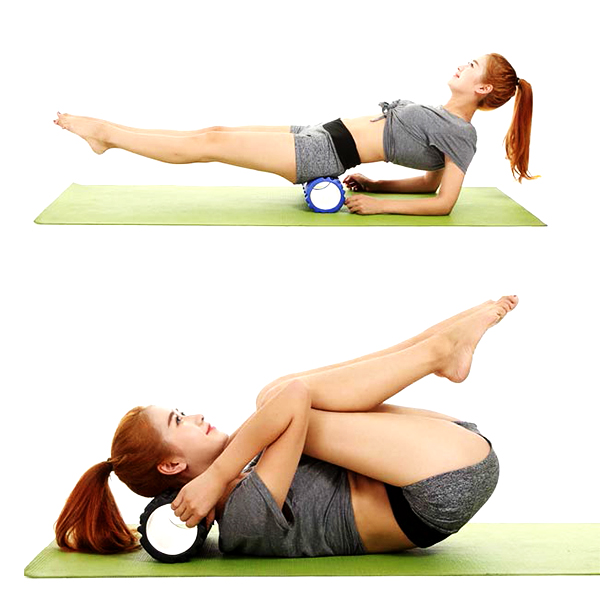
Types of Foam Rollers and Materials
Just like shoes, foam rollers come in various styles, each designed for a specific purpose or preference. Choosing the right one for your neck is key to a comfortable and effective experience.
- Density: This is perhaps the most crucial factor.
- Soft-density rollers are gentler, making them ideal for beginners or those with high pain sensitivity. They offer a milder massage.
- Medium-density rollers provide a balanced approach, offering effective pressure without being overly intense.
- High-density (firm) rollers deliver deep, intense pressure, best suited for experienced users or very stubborn knots. For neck work, a softer to medium density is generally recommended to avoid excessive pressure on a sensitive area.
- Texture:
- Smooth rollers offer an even, consistent pressure across the muscle. They’re a great starting point for neck work.
- Textured rollers (with bumps, ridges, or knobs) are designed to mimic a deeper tissue massage, targeting specific trigger points more intensely. While effective for larger muscle groups, caution is advised for the neck area due to its delicate nature.
- Size and Shape:
- Standard cylindrical rollers (12-36 inches long) are versatile but can be challenging for precise neck work.
- Smaller, shorter rollers (around 12-18 inches) offer more control and are often preferred for targeting smaller areas like the neck.
- Peanut-shaped balls (often two balls joined together) are excellent for cradling the spine and getting into the suboccipital muscles at the base of your skull without putting direct pressure on the vertebrae.
- Vibrating foam rollers offer an added dimension of muscle relaxation through vibration, which can be soothing for tense neck muscles.
For most people looking to address a stiff neck or general tension, a soft to medium-density, smooth foam roller, or a peanut-shaped massage ball, will be your best bet. These options allow for gentle, controlled pressure without overdoing it.
Benefits of Using a Foam Roller for Your Neck
Incorporating a foam roller for neck relief into your routine offers a wealth of advantages that go beyond just feeling good.
- Relieves Muscle Tension and Stiffness: The gentle compression helps release built-up tension in the muscles surrounding your neck, shoulders, and upper back, which are often interconnected.
- Breaks Up Muscle Knots and Trigger Points: Those annoying “knots” are often myofascial adhesions or trigger points. Foam rolling applies sustained pressure to these areas, encouraging them to release and relax.
- Increases Blood Flow and Nutrient Delivery: The act of rolling promotes circulation, bringing fresh, oxygenated blood and essential nutrients to stiff and sore tissues, which aids in recovery and healing.
- Improves Range of Motion and Flexibility: By loosening tight muscles and fascia, a foam roller can significantly enhance your neck’s ability to move freely, making everyday movements like turning your head much more comfortable.
- Aids in Postural Correction: Tight chest muscles or upper back can pull your shoulders forward, contributing to a hunched posture and subsequent neck pain. Foam rolling these associated areas can help reset your posture, indirectly relieving neck strain.
- Reduces Pain and Soreness: Whether from a tough workout, poor sleep, or long hours at a desk, foam rolling can be a powerful tool to alleviate general muscle soreness and specific neck pain.
Detailed Guide: How to Use a Foam Roller for Neck Relief
When it comes to using a foam roller for your neck, precision and gentleness are paramount. The cervical spine is a delicate area, so always prioritize safety over intensity.
Crucial Safety First:
Never place the foam roller directly on your cervical spine (the bony part of your neck) or directly on your lower back. The goal is to massage the muscles, not compress the vertebrae. If you feel sharp, stabbing pain, stop immediately. Slight discomfort is normal as knots release, but severe pain is a red flag. Always consult your doctor or a physical therapist before starting foam rolling if you have chronic or severe neck pain, or conditions like degenerative disc disease, arthritis, or a recent injury.
1. Suboccipital Release (Base of the Skull)
This targets the small muscles at the very top of your neck, where your head meets your spine.
- Setup: Lie on your back with your knees bent and feet flat on the floor. Place a smaller, softer foam roller or a peanut-shaped massage ball directly under the base of your skull, right where your head curves away from your neck.
- Technique: Gently rest your head on the roller. Make small, slow nodding motions (as if saying “yes”) or slowly rock your head from side to side (as if saying “no”). Don’t roll; instead, use small, controlled movements to apply pressure to different spots.
- Duration: Hold on tender spots for 30-60 seconds, or perform gentle movements for 1-2 minutes.
2. Sternocleidomastoid (SCM) Release (Side of the Neck)
This targets the prominent muscles on the front and sides of your neck.
- Setup: Lie on your side. Place a softer foam roller sideways under the side of your neck, making sure it’s on the muscle and not directly on your windpipe.
- Technique: Gently lift your hips slightly to apply minimal weight to the roller. Slowly turn your head a few degrees towards the ceiling and back, or make tiny nodding motions. Find a tender spot and hold.
- Duration: Hold for 30-60 seconds on each side, applying only as much weight as is comfortable.
3. Upper Trapezius Release (Upper Back/Shoulder Area Connecting to Neck)
Often a major source of neck stiffness and tension headaches.
- Setup: Lie on your back with the foam roller placed horizontally across your upper back, just below your neck. Support your head with your hands if needed, interlacing your fingers behind your head.
- Technique: With your feet planted, gently lift your hips slightly and roll slowly up and down across your upper trapezius muscles. You can also slightly rock from side to side to hit different angles of the muscle.
- Duration: Roll for 1-2 minutes, pausing on any tight spots for 30 seconds.
4. Chest Stretch (Indirect Neck Relief)
Tight chest muscles can pull your shoulders forward, contributing to forward head posture and neck pain.
- Setup: Place the foam roller vertically on the ground and sit on one end. Gently lie back so the roller aligns with your spine, supporting your head and tailbone. Knees bent, feet flat.
- Technique: Extend your arms out to the sides, palms facing up, letting them relax towards the floor. You’ll feel a gentle stretch across your chest. Avoid moving on the roller.
- Duration: Hold this position for 30-60 seconds.
As fitness and recovery specialist, Dr. Elena Petrova, often says, “When foam rolling the neck, less is definitely more. Focus on slow, controlled movements and listening intently to your body’s feedback. It’s about coaxing the muscles to relax, not forcing them.”
Tips and Common Mistakes When Using a Foam Roller for Your Neck
To maximize your benefits and stay safe, keep these pointers in mind.
Tips for Effective Neck Foam Rolling:
- Start Gentle: Especially for the neck, begin with a softer roller and minimal pressure. You can always increase intensity as your body adapts.
- Slow and Controlled: Rushing through the movements is ineffective. Move slowly, allowing the muscle tissue time to respond to the pressure.
- Breathe Deeply: Deep, diaphragmatic breathing helps your muscles relax, enhancing the release process.
- Listen to Your Body: Pain is a warning sign. Discomfort is part of the release, but sharp, burning, or tingling sensations mean you need to stop or adjust.
- Hydrate: Drink plenty of water after foam rolling to help flush out metabolic waste from the muscles.
- Combine with Stretching: Foam rolling is excellent for preparing muscles for stretching or enhancing flexibility afterward.
Common Mistakes to Avoid:
- Rolling Directly on Bone or Joints: As reiterated, avoid direct pressure on your spine, especially the cervical vertebrae. Stick to the soft tissues.
- Applying Too Much Pressure: Over-compressing muscles, particularly in the neck, can cause bruising or exacerbate pain.
- Rolling Too Fast: Quick movements don’t allow the fascia to release properly and can actually cause muscles to tense up more.
- Ignoring Sharp Pain: This indicates you’re hitting a nerve, joint, or an inflamed area. Stop immediately.
- Spending Too Long on One Spot: While sustained pressure is good, don’t hold it for more than 60 seconds on any single spot to avoid tissue damage.
- Holding Your Breath: Tension often makes us hold our breath, which counteracts the relaxation needed for effective foam rolling.
- Not Consulting a Professional When Needed: If your neck pain is severe, chronic, accompanied by numbness, tingling, or weakness, a foam roller is not a substitute for professional medical advice.
Integrating Foam Rolling into Your Workout Routine
A foam roller for neck pain relief isn’t just for when you’re already stiff. Proactive use can be incredibly beneficial.
- Warm-up: A few minutes of gentle foam rolling before your workout can increase blood flow to your muscles, improving flexibility and preparing them for activity.
- Cool-down: After a workout, foam rolling can help release any new tension and promote muscle recovery, reducing post-exercise soreness.
- Desk Breaks: If you spend long hours at a desk, short foam rolling sessions throughout the day can alleviate tension accumulation and improve posture, making a significant difference to a stiff neck.
- Evening Relaxation: Using a foam roller for your neck before bed can help release the day’s stresses, relax your muscles, and promote better sleep. Consistency, even in short bursts, will yield the best results for using a foam roller for neck comfort.
Who Should and Shouldn’t Use a Foam Roller for Their Neck?
While foam rolling is widely beneficial, it’s not for everyone in every situation.
Who Should Use a Foam Roller for Neck Pain?
- Individuals experiencing muscle tension, stiffness, or soreness in the neck, shoulders, and upper back.
- Those looking to improve their posture, especially “forward head posture.”
- Athletes or active individuals seeking enhanced flexibility and faster muscle recovery.
- People with general, non-specific neck pain caused by muscular tightness from daily activities or stress.
Who Shouldn’t (or Should Consult a Doctor First) Use a Foam Roller for Their Neck?
- Anyone with chronic, severe, or unexplained neck pain.
- Individuals diagnosed with conditions like degenerative disc disease, herniated discs, spinal stenosis, or osteoporosis in the cervical spine.
- Those with recent injuries, fractures, or acute inflammation in the neck or surrounding areas.
- People experiencing numbness, tingling, or weakness radiating from the neck into the arms or hands.
- Individuals with certain medical conditions (e.g., blood clots, certain skin conditions) should always consult a healthcare professional.
Frequently Asked Questions (FAQ)
Is it safe to use a foam roller directly on your neck?
No, it is generally not recommended to place a foam roller directly on your cervical spine (the bony part of your neck). Instead, focus on the muscles around the neck, such as the suboccipitals at the base of your skull, the sternocleidomastoid on the sides, and the upper trapezius in your upper back and shoulders.
How often should I use a foam roller for my neck?
For general tension relief, 5-10 minutes, 3-5 times a week can be beneficial. If you’re targeting a specific tight spot, 30-60 seconds per spot, 1-3 times a day, might be appropriate. Always listen to your body and adjust frequency based on your comfort and results.
What type of foam roller is best for neck pain?
A soft to medium-density, smooth foam roller is usually best for the neck to provide gentle pressure. Many find smaller rollers or specialized tools like a peanut-shaped massage ball excellent for targeting the delicate muscles around the neck and base of the skull without directly compressing the spine.
Can foam rolling make neck pain worse?
Yes, if done incorrectly. Using too much pressure, rolling too fast, directly rolling on the spine or an injured area, or ignoring sharp pain can exacerbate neck pain. Always prioritize safety, use proper technique, and stop if you experience severe discomfort.
Are there alternatives to a foam roller for neck knots?
Absolutely! For hard-to-reach knots in the neck and shoulders, many people find relief with massage balls (like tennis or lacrosse balls), massage sticks, or specialized trigger point massage hooks (like a Theracane). These tools can offer more targeted pressure in specific areas where a foam roller might be too broad.
Conclusion
Taming neck pain and stiffness can feel like an uphill battle, but with the right knowledge and tools, it’s a battle you can win. The foam roller for neck relief is a truly accessible and effective tool, offering a pathway to self-myofascial release that can significantly improve your comfort and flexibility. By understanding its benefits, choosing the right type, and practicing safe, targeted techniques, you can unlock a world of relief. Remember to start slow, listen to your body, and integrate this powerful practice consistently into your routine. Your neck will thank you for the newfound freedom and ease. So, roll out that tension and embrace a more flexible, pain-free you!