Ever felt that nagging muscle tightness or soreness after a tough workout or a long day at your desk? What if there was a simple, effective tool that could help you melt away that tension, improve your flexibility, and even boost your athletic performance? Enter the foam roller. This seemingly unassuming cylinder has become a staple in gyms, physiotherapy clinics, and homes worldwide, empowering countless individuals to take charge of their muscle health. It’s more than just a piece of equipment; it’s your personal, on-demand massage therapist, ready to help you recover faster and move better.
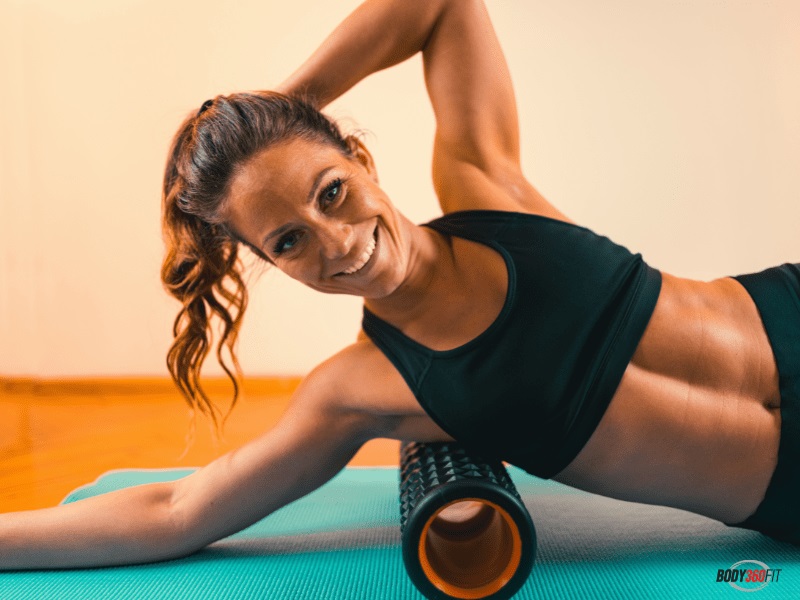
What Exactly is a Foam Roller? Your Personal Massage Therapist
At its core, a foam roller is a lightweight, cylindrical tube made of various types of foam, designed for self-myofascial release (SMR). Think of it as a DIY deep-tissue massage. Myofascial release is a technique aimed at relieving tightness and pain in the fascia, the intricate web of connective tissue that surrounds and supports your muscles, bones, and organs. When this fascia becomes tight or sticky due to stress, overuse, or inactivity, it can create “knots” or trigger points that restrict movement and cause pain. By placing your body weight onto the foam roller and slowly rolling back and forth, you apply pressure to these areas, helping to smooth out the fascia and release built-up tension.
The concept itself isn’t new; similar techniques have long been used in physical therapy. However, the foam roller made self-treatment accessible to everyone, evolving from a niche tool to a ubiquitous fitness accessory. It democratized the ability to address muscle imbalances and improve recovery, bringing professional-level care into the comfort of your own home.
Imagine a tool that can help you feel refreshed and ready for whatever comes next.
Unveiling the Benefits: Why Everyone’s Talking About Foam Rolling
The popularity of the foam roller isn’t just a trend; it’s backed by a growing body of evidence and countless personal success stories. Using a foam roller regularly can bring a wealth of benefits to both your body and mind:
- Ease Muscle Pain and Soreness (DOMS): One of the most celebrated benefits is its ability to reduce delayed onset muscle soreness (DOMS) after exercise. By increasing blood flow and helping to release muscle tension, foam rolling can significantly alleviate that post-workout ache.
- Boost Flexibility and Range of Motion: Studies show that foam rolling can temporarily improve your joints’ range of motion without negatively impacting strength or performance, making it an excellent addition to your warm-up routine.
- Improve Blood Flow and Circulation: Applying pressure to your muscles helps to stimulate blood flow, delivering vital oxygen and nutrients to the tissues while helping to flush out metabolic waste products.
- Enhance Muscle Recovery and Performance: By promoting better circulation and reducing soreness, foam rolling aids in faster muscle recovery, allowing you to train more consistently and perform at your best. It can also help to break down scar tissue and lengthen muscles.
- Aid in Relaxation and Stress Reduction: For many, the physical release of muscle tension translates into mental relaxation, helping to calm the nervous system and reduce overall stress.
- The Science Behind It: Warm-up vs. Recovery: While effective for both, current analysis suggests foam rolling is particularly valuable as a warm-up activity. It prepares your muscles for action, improving mobility without reducing power. As a recovery tool, it’s shown to reduce muscle pain perception.
“Foam rolling isn’t magic, but it’s a powerful tool for listening to your body,” explains Dr. Anya Sharma, a renowned sports physiotherapist. “It helps create space and freedom within your tissues, which is fundamental for both athletic performance and daily well-being.”
Choosing Your Perfect Match: Types of Foam Rollers and Materials
Just like shoes, one foam roller doesn’t fit all. The best choice for you depends on your experience level, tolerance for pressure, and specific needs.
By Material and Density: The Firmness Factor
The material and density of a foam roller directly influence its firmness, which is often indicated by color:
- Polyethylene (PE) Rollers: These are the softest and least dense, typically white. They’re excellent for beginners who are just starting their foam rolling journey or for those with very sensitive muscles, offering a gentler massage.
- Ethylene Vinyl Acetate (EVA) Rollers: Often found in various colors like blue or green, EVA rollers offer a medium density. They strike a good balance between firmness and comfort, making them versatile for many users. They are also known for their exceptional durability and ability to retain shape.
- Expanded Polypropylene (EPP) Rollers: These are the firmest rollers, usually black. EPP foam is very dense and robust, ideal for experienced users, athletes, or those who need a deep tissue massage to work through stubborn knots. They withstand intensive use without deforming.
By Surface Texture: Smooth vs. Groovy
The surface of your foam roller also dictates the intensity of the massage:
- Smooth Rollers: Providing even pressure, smooth rollers are generally recommended for beginners or for general muscle warm-up and cool-down.
- Textured/Gridded/Nodules: These rollers feature ridges, bumps, or patterns designed to mimic a therapist’s fingers and thumbs. They provide a more targeted, deeper massage, excellent for breaking up trigger points and reaching deeper muscle layers.
By Size and Shape: Finding the Right Fit
- Standard Cylindrical Rollers: Most common, typically 6 inches in diameter and varying in length from 12 to 36 inches. Longer rollers are great for rolling out your entire back, while shorter ones offer more portability and precision for smaller areas.
- Half-Round Rollers: With one flat side, these are useful for balance exercises or gently massaging specific areas with less intensity.
- Specialty Rollers/Balls: For very specific, smaller muscle groups like those in the neck or rotator cuff, or for very deep trigger points, massage balls (like lacrosse balls) are often more effective than a traditional foam roller.
Mastering the Roll: A Detailed Guide to Effective Foam Rolling
Using a foam roller isn’t about speed or brute force; it’s about control, intention, and listening to your body. Here’s how to get the most out of your foam rolling sessions:
General Principles for Optimal Rolling
- Slow and Deliberate Movements: Roll slowly, about one inch per second. This allows the tissue enough time to respond to the pressure and begin to release tension. Rolling too fast can be ineffective.
- Listen to Your Body: Discomfort vs. Pain: Foam rolling shouldn’t be excruciating. You’re aiming for a “good hurt” or mild discomfort, similar to a deep massage. If you experience sharp, shooting, or unbearable pain, stop immediately. You can adjust the pressure by shifting your body weight or using your hands/feet for support.
- Breathing Techniques: Deep, controlled breathing helps your muscles relax. Many people hold their breath when hitting a tender spot; consciously breathe through the discomfort.
- Hold Tender Spots: When you find a particularly tight or tender area (a “trigger point”), pause and hold pressure on that spot for 10-30 seconds. Allow the muscle to relax and release before slowly continuing to roll.
Targeting Key Muscle Groups
Here’s how to address some of the most common trouble spots:
Quads (Front of Thighs)
- How: Lie face down in a plank position, placing the foam roller horizontally under your quads, near your hips. Support yourself on your forearms. Slowly roll from your hips down to just above your knees. You can shift your weight slightly side to side to hit inner and outer quads.
- Why: Great for runners and athletes, or anyone with tight thigh muscles from prolonged sitting.
Hamstrings (Back of Thighs)
- How: Sit on the floor with legs extended, placing the foam roller under your hamstrings, just above your knees. Use your hands behind you for support, lifting your glutes slightly. Slowly roll from just above your knees to below your glutes. To increase intensity, cross one leg over the other.
- Why: Crucial for flexibility, especially if you sit a lot or run.
Glutes (Buttocks)
- How: Sit on the foam roller, placing it under one glute. Cross the ankle of that leg over your opposite knee. Lean towards the glute you’re rolling. Use your hands for support and slowly roll from the top of your hip to the bottom of your glute. Repeat on the other side.
- Why: Releases tension in the glutes and piriformis, which can impact hip mobility and alleviate lower back discomfort.
Calves (Lower Legs)
- How: Sit on the floor with legs extended. Place the foam roller under one or both calves, near your heels. Support your body with your hands behind you. Lift your body and slowly roll from your ankles up to just below your knees. Rotate your leg slightly to target different parts of the calf.
- Why: Essential for athletes, especially runners, to improve ankle mobility and prevent Achilles issues.
Upper Back
- How: Lie on your back with the foam roller positioned horizontally under your mid-back. Cross your arms over your chest or place hands behind your head to support your neck. Lift your glutes slightly and slowly roll up and down your mid-back, avoiding direct pressure on your lower back.
- Why: Improves posture, relieves tension from hunching, and increases spinal mobility.
Lats (Sides of Upper Back)
- How: Lie on your side, extending your lower arm straight out. Place the foam roller under your armpit, perpendicular to your body. Use your other hand and legs for support. Slowly roll from your armpit down towards your mid-torso. Rotate your body slightly to hit different angles.
- Why: Crucial for shoulder mobility, overhead movements, and relieving tightness from pulling exercises.
Hip Flexors (Front of Hips)
- How: Lie face down, similar to the quad roll, but place the roller higher, just below your hip bone. Position one hip flexor over the roller, extending the other leg out for stability. Slowly roll up and down, slightly rocking side to side.
- Why: Releases tightness often caused by prolonged sitting, improving hip extension and alleviating lower back strain.
Common Pitfalls and Pro Tips: Avoid These Foam Rolling Mistakes
While highly beneficial, incorrect foam roller use can be ineffective or even harmful. Knowing what to avoid is as important as knowing what to do.
Mistakes to Avoid:
- Rolling Too Fast or Too Long: Rushing over an area means you’re not giving the fascia enough time to release. Conversely, spending too long (more than 60-90 seconds on one spot, or 1-2 minutes per muscle group) can lead to bruising or even muscle soreness.
- Going Straight for the Pain Spot: Often, the area of pain is a symptom, not the root cause. For instance, directly rolling your IT band can worsen inflammation because it’s connective tissue, not a muscle. Instead, focus on the muscles that connect to it, like your glutes and TFL, first.
- Poor Posture: Many foam rolling positions require core engagement and good body alignment. Sagging, twisting, or collapsing in the shoulders can reinforce bad movement patterns or cause new issues.
- Rolling Sensitive Areas:
- Lower Back: Avoid rolling directly on your lumbar spine (lower back) horizontally. This can put undue pressure on your vertebrae and cause protective muscle spasms. Instead, target surrounding muscles like the glutes, piriformis, and hip flexors.
- Neck: The neck is a sensitive area with delicate vertebrae and nerves. Direct foam rolling here can lead to injury.
- Joints & Bony Areas: Never roll directly over joints (knees, elbows, ankles) or prominent bones (shins, hips, shoulders), as this can cause damage or pain. Focus on the surrounding muscle tissue.
- Rolling Cold Muscles Too Aggressively: While foam rolling is great for warm-ups, attacking very cold muscles with intense pressure can lead to bruising. Ease into it with gentle pressure if your muscles aren’t warmed up.
Expert Tips for Success:
- Start Gentle, Increase Gradually: Especially if you’re new to foam rolling or have tight muscles, begin with a softer roller and apply lighter pressure. Gradually increase intensity as your body adapts.
- Roll Surrounding Areas First: If a spot is intensely painful, roll the areas just above and below it first to loosen up the surrounding tissue before gently approaching the tender spot.
- Engage Your Core: Maintaining a strong, stable core in plank-like positions protects your spine and enhances the effectiveness of the roll.
- Hydrate After: Just like a massage, foam rolling can help release metabolic waste. Drinking plenty of water afterward aids in flushing these out and supports muscle recovery.
Integrating Foam Rolling into Your Fitness Routine
When should you reach for your foam roller? The beauty is its versatility, fitting seamlessly into various parts of your fitness journey.
- Pre-Workout Warm-up: Incorporating 5-10 minutes of foam rolling before your workout helps “wake up” your muscles, increases blood flow, and improves your mobility without compromising strength or power. It’s an excellent way to prepare your body for movement and reduce injury risk.
- Post-Workout Recovery: After your training session, foam rolling can be a soothing cooldown. It helps to relieve tension, reduce soreness, and support the recovery process by calming the nervous system and promoting relaxation.
- Daily Maintenance: You don’t need a workout to benefit from foam rolling. If you spend long hours sitting or standing, a short session can relieve daily muscle tightness and improve overall body awareness. Think of it as a daily tune-up for your body.
Is Foam Rolling for You? Who Should and Shouldn’t Use It
For most people, foam rolling is a safe and effective self-care practice. It’s particularly beneficial for:
- Active Individuals and Athletes: To improve performance, aid recovery, and prevent injuries.
- Desk Workers: To counteract the effects of prolonged sitting, such as tight hip flexors and upper back stiffness.
- Anyone with General Muscle Tightness or Soreness: As a means of daily maintenance and tension relief.
However, there are specific situations where caution is advised or foam rolling should be avoided:
- When to Exercise Caution:
- Osteoporosis or Bone Conditions: Avoid rolling directly over the spine or other bony areas to prevent potential injury.
- Acute Injuries: If you have a recent sprain, strain, muscle tear, or broken bone, avoid foam rolling the injured area unless specifically cleared by a doctor or physical therapist. You could aggravate the injury.
- Open Wounds, Bruises, or Severe Inflammation: Do not roll directly over these areas.
- Areas with Sharp, Shooting, or Unbearable Pain: This could indicate a more serious issue that requires professional attention.
- Consult a Professional: If you have any underlying medical conditions, chronic pain, or are unsure whether foam rolling is appropriate for you, always consult with a healthcare professional, physical therapist, or certified trainer before starting a routine. They can provide personalized guidance and ensure you’re using proper techniques.
Frequently Asked Questions (FAQ)
Q: How often should I foam roll?
A: For general maintenance and flexibility, 5-10 minutes a day can be beneficial. For specific muscle groups, aim for 30-60 seconds per area, and up to 2 minutes on particularly tight spots. Some experts recommend rolling before and after workouts, or 3-5 times a week, allowing 24-48 hours between sessions for intense rolling.
Q: What’s the “pain” level I should aim for?
A: Aim for a “good hurt” or mild discomfort, usually on a scale of 5-7 out of 10. You should be able to breathe easily and relax your body. If the pain is sharp, shooting, or unbearable, stop immediately.
Q: Can foam rolling replace stretching?
A: Foam rolling and stretching complement each other but are not interchangeable. Foam rolling can improve the short-term range of motion, making stretching more effective when done afterward. However, it doesn’t fully replace the benefits of static or dynamic stretching for long-term flexibility.
Q: Can I foam roll my entire body?
A: While you can target most large muscle groups, you should avoid rolling directly on your lower back, neck, joints, or bony areas. Focus on the muscle tissue surrounding these areas. For smaller, more precise work, a massage ball might be a better option.
Q: How do I know if I’m doing it correctly?
A: The best indicators are reduced muscle soreness, increased flexibility, and an overall feeling of relief and improved movement. If you’re unsure, watch instructional videos from certified professionals, or consider a session with a physical therapist or trainer to learn proper form. Pay attention to slow movements, controlled pressure, and your body’s response.
Conclusion: Roll Your Way to a Healthier, Happier Body
The foam roller is far more than a simple piece of equipment; it’s a gateway to better muscle health, improved performance, and enhanced well-being. By understanding its mechanics, choosing the right type for your needs, and mastering proper techniques, you can effectively alleviate muscle pain, boost your flexibility, and accelerate your recovery. Remember to listen to your body, avoid common mistakes, and integrate this powerful tool thoughtfully into your daily routine.
Whether you’re an avid athlete, a busy professional, or simply someone looking to feel more comfortable in your own skin, the foam roller offers an accessible path to self-care. So, take the plunge, grab a foam roller, and start rolling your way to a more mobile, less tense, and ultimately happier you. Your muscles will thank you!