In the exciting world of fitness and wellness, everyone is on a quest for better muscle recovery, improved flexibility, and a body that simply feels good. While various tools promise to deliver, the humble foam roller has emerged as a true game-changer. But with a sea of options out there, how do you pick the right one? Let me tell you, for most people, the medium foam roller is the ultimate sweet spot – a versatile, effective, and deeply satisfying tool that can transform your routine.
What Exactly is a Foam Roller and How Did it Begin?
Before we dive into the specifics of a medium foam roller, let’s quickly understand what this incredible device is all about. A foam roller is essentially a cylindrical piece of dense foam used for self-myofascial release (SMR). Sounds fancy, right? In simpler terms, it’s a form of self-massage that helps release tightness and tension in your muscles and fascia – the connective tissue that surrounds your muscles.
While the exact origins are a bit fuzzy, the concept of applying pressure to soft tissues for therapeutic benefit has been around for centuries. Modern foam rollers gained popularity in the early 2000s, initially among athletes and physical therapists, as an accessible way to mimic deep tissue massage techniques at home. Today, they’re a staple in gyms, studios, and living rooms worldwide, empowering individuals to take an active role in their physical well-being.
Navigating the World of Foam Rollers: Why Medium Density Shines
Choosing a foam roller isn’t just about grabbing the first one you see. Density, texture, shape, and size all play a role in its effectiveness. When it comes to density, the medium foam roller truly stands out as the most balanced and universally beneficial option.
Understanding Foam Roller Densities: Soft, Medium, and Firm
Foam rollers come in a spectrum of densities, each offering a different intensity of massage:
- Soft (Low-Density) Rollers: These are typically white and compress easily under your weight. They are gentle on the muscles, making them ideal for absolute beginners, individuals with very sore or sensitive muscles, or those recovering from injuries. If foam rolling feels too painful initially, a soft roller is a great starting point.
- Medium-Density Rollers: Often found in blue or red, these rollers offer a fantastic equilibrium between comfort and effectiveness. They provide sufficient pressure to work out muscle tightness and trigger points without causing excessive discomfort. This “just right” density makes the medium foam roller suitable for most people, from beginners ready to progress to intermediate users looking for consistent relief. As Dr. Evelyn Reed, a leading sports physical therapist, often says, “A medium foam roller is like the perfect handshake – firm enough to be effective, but not so aggressive it makes you wince. It’s truly the workhorse of recovery for everyday athletes.”
- Firm (High-Density) Rollers: Usually black, these don’t compress much and are designed for experienced users or athletes seeking a deep-tissue massage. They can really dig into stubborn knots and muscle adhesions, but if used incorrectly or by someone not accustomed to the intensity, they can potentially cause bruising or trauma. Some research even suggests that overly firm rollers might increase pain perception with only minimal gains in mobility.
Beyond Density: Textures, Shapes, and Sizes
While density is paramount, other features also influence your foam rolling experience:
- Surface Texture:
- Smooth Foam Rollers: These distribute pressure evenly, offering a consistent and gentler massage. They are excellent for general use and highly recommended for those starting out with a medium foam roller.
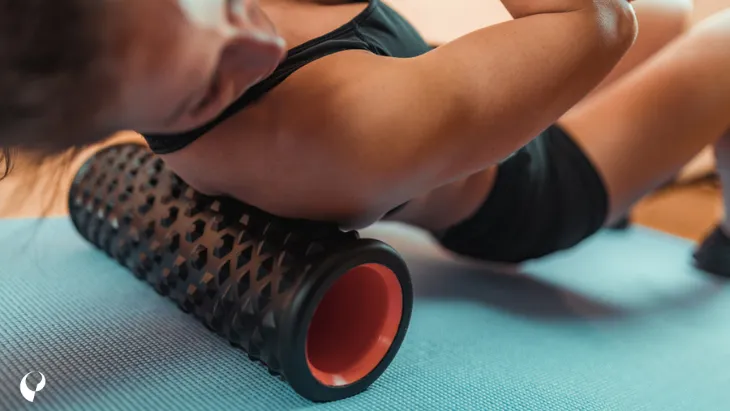
- Textured Foam Rollers: Featuring ridges, knobs, or grids, these rollers are designed to mimic a massage therapist’s fingers, targeting specific knots and deeper muscle layers more aggressively. While effective for stubborn spots, they can be intense, so it’s often wise to start with a smooth surface medium foam roller.
- Shape and Size:
- Length: A 36-inch (around 90 cm) long foam roller is often the most versatile, allowing you to span your entire back and provide greater stability for various exercises. Shorter rollers (12-24 inches) are convenient for travel or targeting smaller areas like calves and arms.
- Diameter: Most rollers are 5 or 6 inches in diameter, offering a comfortable height for control. Smaller diameters (3-4 inches) can provide a more targeted, deeper massage.
The Game-Changing Benefits of a Medium Foam Roller
So, why should a medium foam roller be your go-to tool? Its balanced density unlocks a myriad of benefits for your body and overall well-being.
Improved Flexibility and Range of Motion
Regular foam rolling helps to lengthen and loosen tight muscles and fascia, which can dramatically improve your flexibility. By releasing restrictions, your joints can move through their full range of motion more freely, enhancing athletic performance and making everyday movements feel smoother.
Reduced Muscle Soreness and Stiffness
Post-workout soreness, also known as Delayed Onset Muscle Soreness (DOMS), is a common hurdle. A medium foam roller can significantly reduce this. By increasing blood flow and flushing out metabolic waste products, it aids in faster muscle recovery, helping you feel less stiff and ready for your next session sooner.
Enhanced Blood Circulation and Recovery
The pressure applied by a foam roller boosts circulation to the targeted muscles. Increased blood flow means more oxygen and vital nutrients reaching your tissues, which is crucial for repair and regeneration. This accelerated recovery can make a noticeable difference in your training consistency and results.
Injury Prevention and Muscle Health
By keeping your muscles supple, releasing trigger points, and improving tissue quality, foam rolling with a medium density roller helps prevent common injuries like strains and sprains. Healthy, well-maintained muscles are more resilient and less prone to breakdown. “Think of foam rolling as preventative maintenance for your body,” advises Dr. Reed. “Just a few minutes a day can save you from significant aches and pains down the line.”
Your Practical Guide: How to Effectively Use a Medium Foam Roller
Ready to roll? Here’s how to use your medium foam roller effectively and safely to target various muscle groups.
Golden Rules for Safe and Effective Rolling
- Roll Slowly and with Control: This isn’t a race. Aim for about 1 inch per second. Fast rolling is less effective and can even cause muscle guarding.
- Locate Tender Spots: When you find an area that feels tight or tender (a trigger point or knot), pause and hold the foam roller on that spot for 20-30 seconds. Breathe deeply and try to relax into the pressure.
- Use Your Body Weight: Adjust the pressure by shifting your body weight. If it’s too intense, use your hands or feet for support to lighten the load. If it’s not enough, apply more pressure.
- Breathe and Relax: Holding your breath increases tension. Focus on deep, slow breaths to encourage muscle release.
- Avoid Joints and Lower Back: Never roll directly on your joints (knees, elbows) or your lower back. For the lower back, focus on the muscles alongside the spine, not the spine itself.
Targeting Key Muscle Groups with Your Medium Foam Roller
Here are some essential exercises:
- Quads (Front of Thighs): Lie face down, placing the roller under your thighs. Support yourself on your forearms. Roll slowly from just above your knees to your hip flexors.
- Hamstrings (Back of Thighs): Sit with legs extended, placing the roller under one hamstring. Use your hands for support, lifting your hips slightly. Roll from your glutes to just above your knee. You can cross one leg over the other for added pressure.
- Glutes (Buttocks): Sit on the foam roller, crossing one ankle over the opposite knee. Lean slightly to the side of the crossed leg. Roll to target different areas of the glute.
- Calves: Sit with the roller under your calves. You can place one calf on the roller and cross the other leg over it for more pressure. Roll from your ankles to below your knees, rotating your leg slightly to hit inner and outer calf muscles.
- IT Band (Outer Thigh): Lie on your side, placing the roller under your outer thigh. Support your upper body with your forearm and the other foot on the floor. Roll from just above your knee to below your hip. This can be intense, so go slowly and adjust pressure.
- Upper Back & Lats (Side Back): Lie on your back with the roller under your upper back, perpendicular to your spine, hands behind your head. Lift your glutes and roll slowly from your mid-back to your shoulders. For lats, lie on your side with the roller under your armpit and roll down to your mid-torso.
Mastering Your Roll: Tips and Common Mistakes to Avoid
To get the most out of your medium foam roller, keep these tips in mind and steer clear of common pitfalls.
Top Tips for Effective Foam Rolling
- Consistency is Key: Regular, even short, sessions are more effective than infrequent, long ones. Aim for 5-10 minutes most days.
- Warm-Up First: A light warm-up before rolling helps prepare your muscles.
- Cool-Down: Use your foam roller as part of your cool-down routine to aid recovery and flexibility.
- Listen to Your Body: Discomfort is normal, but sharp or radiating pain is a sign to stop or adjust.
- Hydrate: Drink plenty of water before and after foam rolling to support tissue health.
Common Mistakes to Avoid
- Rolling Too Fast: This doesn’t allow your muscles to relax and release tension effectively.
- Holding Your Breath: Leads to increased muscle tension. Remember to breathe deeply.
- Using the Wrong Density: A roller that’s too hard can cause you to tense up, negating the benefits. For most, a medium foam roller prevents this issue.
- Rolling Directly on Bones or Joints: This can cause injury or irritation. Always focus on muscle tissue.
- Spending Too Much Time on One Spot: While holding on tender spots is good, excessive pressure for too long can irritate the tissue. 20-30 seconds is generally sufficient.
Seamless Integration: Weaving Your Medium Foam Roller into Your Routine
A medium foam roller is incredibly versatile and can be incorporated into almost any fitness routine.
- Pre-Workout Warm-Up: A quick 5-minute rolling session can help loosen up muscles, improve blood flow, and enhance range of motion, preparing your body for exercise.
- Post-Workout Recovery: After a tough workout, use your medium foam roller to alleviate muscle soreness, reduce stiffness, and accelerate recovery. This is where it truly shines for athletes and active individuals.
- Daily Mobility and Stress Relief: Even if you’re not working out, a few minutes of foam rolling can help undo the effects of prolonged sitting, improve posture, and relieve everyday tension. It’s a wonderful way to de-stress and reconnect with your body.
Is a Medium Foam Roller Right for You?
If you’re wondering if a medium foam roller is the right choice for your needs, the answer is likely a resounding yes!
- Beginners: It offers a gentle introduction to foam rolling while still being effective, allowing you to build tolerance and technique.
- Intermediate Users: It provides the perfect balance for consistent muscle maintenance and recovery without being overly aggressive.
- General Fitness Enthusiasts: Whether you run, lift weights, do yoga, or simply want to feel better in your body, a medium foam roller is an invaluable tool.
However, always consult with a healthcare professional or physical therapist if you have acute injuries, severe pain, or underlying medical conditions to ensure foam rolling is safe for you.
Frequently Asked Questions About Medium Foam Rollers
Q: How often should I use my medium foam roller?
A: For best results, aim to use your medium foam roller for 1-5 minutes per muscle group daily, or at least 3-5 times a week, especially if you’re active. Consistency is more important than duration.
Q: Can a medium foam roller be too soft or too hard?
A: A well-chosen medium foam roller is designed to be “just right” for most users, offering effective pressure without extreme discomfort. If it feels too soft, you might need a firmer roller, but if it causes sharp pain, you may need a softer one or to adjust your technique.
Q: What’s the best length for a medium foam roller?
A: A 36-inch medium foam roller is generally recommended as the most versatile option, especially for full-body routines and targeting your back. Shorter lengths are great for portability and specific areas like calves.
Q: Can I use a medium foam roller if I’m a beginner?
A: Absolutely! A medium foam roller is often the ideal starting point for beginners, as it provides enough effectiveness to feel the benefits without the intense pressure of a firm roller, making it easier to build comfort and technique.
Q: How do I clean my medium foam roller?
A: Most foam rollers can be easily cleaned with a damp cloth and a mild soap solution. Allow it to air dry completely before storing.
Your Journey to a More Flexible, Healthier You Starts Now!
The medium foam roller is more than just a piece of equipment; it’s a gateway to better body awareness, enhanced recovery, and a more comfortable life. By incorporating this versatile tool into your routine, you’re investing in your long-term physical health, unlocking greater flexibility, and saying goodbye to nagging muscle stiffness. So, roll up your sleeves – or rather, roll out your muscles – and discover the incredible power of the medium foam roller. Your body will thank you for it!