Ever felt that nagging ache after a killer workout, or the persistent stiffness from sitting at your desk all day? We’ve all been there. Our bodies work hard for us, and sometimes they need a little extra love to bounce back stronger. While traditional foam rollers are great, there’s a more targeted, portable hero making waves in the world of muscle recovery: the Foam Roller Stick. Think of it as your personal, on-demand massage therapist, ready to soothe those tight spots and unlock your full potential. This versatile tool is a game-changer for anyone looking to improve flexibility, reduce soreness, and boost overall physical performance. Let’s dive deep into how this simple yet powerful device can transform your recovery routine and help you move through life with greater ease and vitality.
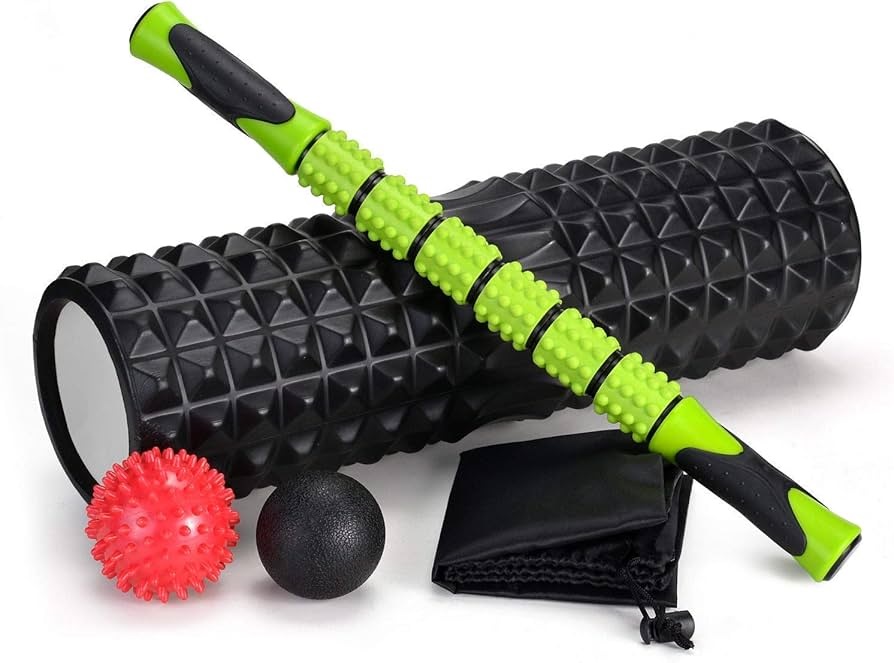
What is a Foam Roller Stick? Your Personal Massage Therapist On-Demand
At its core, a foam roller stick is a handheld, cylindrical massage tool designed for self-myofascial release (SMR). Unlike its larger cousin, the traditional foam roller, this stick typically features ergonomic handles on both ends and a central rolling section. This rolling part is often covered with various textures – smooth foam, ridged plastic, or even individual “gears” or “wheels” – all crafted to mimic the precise touch of a massage therapist’s hands. Its compact size, usually ranging from 16 to 18 inches in length, makes it incredibly portable, fitting easily into a gym bag or suitcase. This design allows for a unique level of control, letting you apply targeted pressure to specific muscle groups that might be harder to reach with a full-sized roller. It’s about putting the power of recovery directly into your hands, literally.
Unlocking the Power: Key Benefits of Using a Foam Roller Stick
The advantages of incorporating a foam roller stick into your routine are extensive, touching on everything from daily comfort to athletic prowess.
Ease Muscle Soreness and Reduce DOMS
One of the most celebrated benefits is its ability to melt away muscle soreness. After an intense workout, tiny tears occur in your muscle fibers, leading to delayed onset muscle soreness (DOMS). Using a foam roller stick helps increase blood flow to these areas, flushing out metabolic waste and supplying fresh nutrients. It’s like giving your muscles a refreshing internal shower, significantly reducing that post-workout ache.
Boost Flexibility and Range of Motion
Stiff muscles can restrict your movement, making everyday tasks or complex exercises challenging. Regular use of a foam roller stick helps to break down adhesions and knots within the fascia (the connective tissue surrounding your muscles), promoting better muscle pliability. This increased flexibility translates directly into an improved range of motion in your joints, allowing for smoother, more efficient movements.
Enhance Blood Flow and Speed Up Recovery
By gently compressing and releasing muscle tissue, the foam roller stick acts as a pump, improving circulation. Enhanced blood flow means oxygen and vital nutrients reach your muscles faster, accelerating the repair process. This rapid recovery is crucial for consistent training and optimal performance.
Targeted Relief for Stubborn Knots and Trigger Points
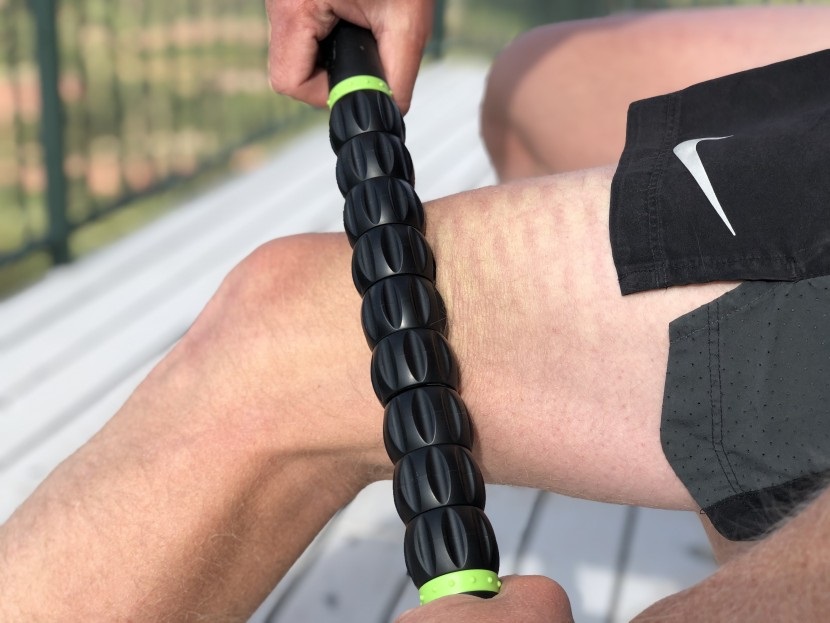
This is where the foam roller stick truly shines over its larger counterparts. Its handheld design and often textured surface allow for pinpoint accuracy. You can easily apply precise pressure to specific trigger points and stubborn muscle knots that might be difficult to isolate with a traditional roller. This focused approach provides deep tissue relief, helping those tight areas finally relax.
Injury Prevention and Performance Enhancement
By keeping your muscles loose, flexible, and well-supplied with blood, a foam roller stick can play a significant role in preventing injuries. Tight muscles are more prone to strains and pulls. Furthermore, improved muscle function and range of motion directly contribute to better athletic performance, whether you’re a runner, a weightlifter, or a yoga enthusiast.
Alleviate Everyday Aches and Desk-Job Stiffness
It’s not just for athletes! If you spend hours at a desk, you’re no stranger to stiff shoulders, tight hips, or an aching lower back. A foam roller stick can be a godsend for these common complaints. Its portability means you can even keep one near your workspace for quick, tension-relieving breaks throughout the day, combating the negative effects of prolonged sitting.
Choosing Your Perfect Match: Types and Features of Foam Roller Sticks
Finding the right foam roller stick is about understanding your needs and the options available.
Materials
Foam roller sticks come in various materials, each offering a different feel and durability.
- EVA Foam: Common for its balance of firmness and comfort, often used in textured designs.
- Plastic/Rubber: Can provide a firmer, more intense massage, sometimes with individual rotating gears.
- Stainless Steel Core: Offers exceptional durability and can be combined with other materials for the rolling surface.
Surface Textures
The texture of the rolling surface significantly impacts the massage experience.
- Smooth: Best for beginners or those seeking a gentler, more uniform pressure across larger areas.
- Ridged/Spiked: Designed to work deeper into muscles and target trigger points more aggressively, mimicking fingertips or thumbs.
Size and Portability
Most foam roller sticks are inherently portable, but sizes can still vary. A standard 16-18 inch stick is ideal for general use and travel. Longer sticks might offer more surface area for broader strokes, while shorter ones might provide even greater precision for very small muscles.
Special Features
Some sticks offer advanced features. Vibrating models, for example, can further enhance blood flow and help relax muscles. Ergonomic AcuGRIP handles are also common, designed to provide a comfortable grip and allow for user-controlled pressure.
Your Step-by-Step Guide: How to Effectively Use Your Foam Roller Stick
Using a foam roller stick effectively requires a bit of technique and a lot of listening to your body.
General Principles
Always start with a light warm-up (5-10 minutes of light cardio or dynamic stretching) to get your blood flowing. When rolling, apply moderate pressure; you should feel a “good ache,” not sharp pain. Breathe deeply and consistently throughout your session. Consistency is key – regular, shorter sessions are often more effective than infrequent, long ones. And remember, never roll directly over bones or joints.
Targeted Techniques for Major Muscle Groups
Here’s how to tackle common trouble spots:
How do I use a foam roller stick for my quads?
For your quads, sit or stand comfortably, holding the stick with both hands. Gently roll from just above your knee all the way up to your hip crease, applying consistent pressure. If you find a particularly tender spot, pause there for 15-30 seconds, allowing the muscle to release. You can rotate your leg slightly inward or outward to hit different parts of the quad.
What’s the best way to roll out hamstrings with a stick?
To roll out your hamstrings, sit down with your legs extended. Hold the stick and roll it along the back of your thigh, from just above the knee to below your glutes. This area can be quite tight, so take it slow and be mindful of any intense spots.
How can a foam roller stick help my calves?
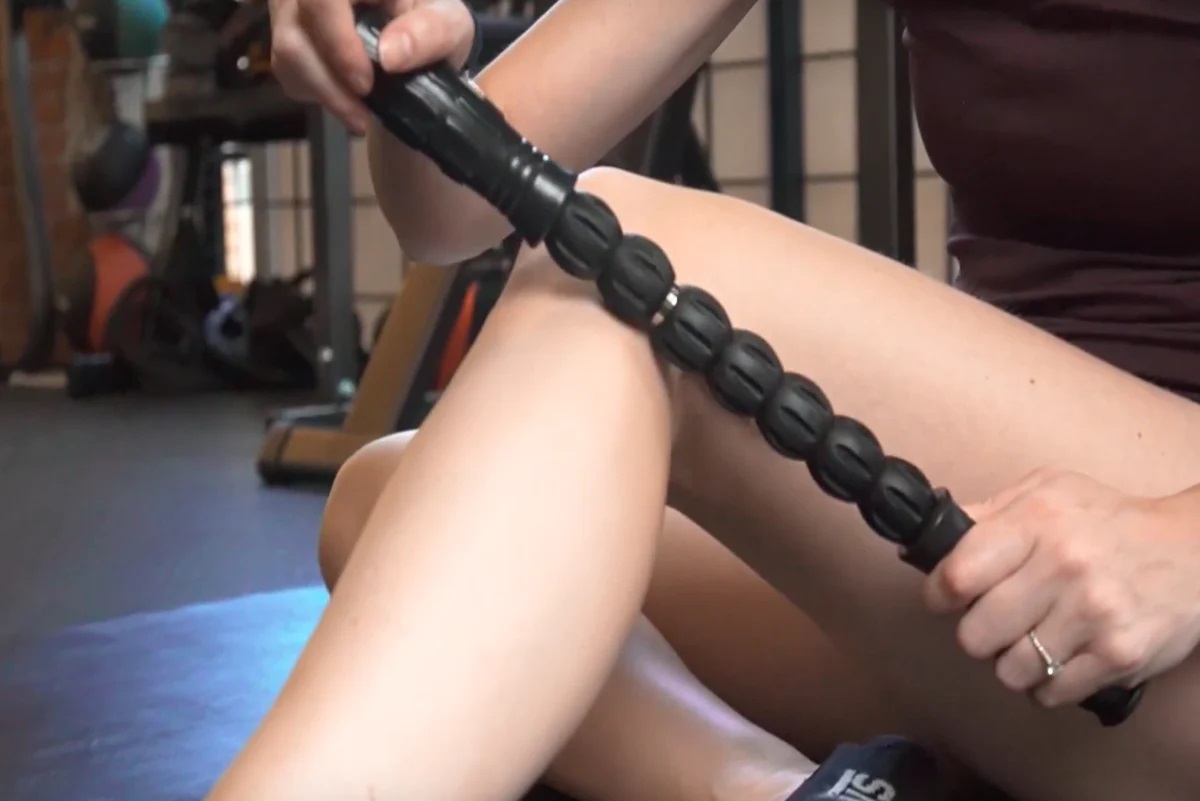
Your calves can get very tight, especially if you’re active. Sit with your leg extended or cross one ankle over the other for added pressure. Roll the stick from your Achilles tendon up towards the back of your knee, rotating your lower leg to hit both the inner and outer calf muscles. This is one area where the targeted pressure of a stick is incredibly effective.
Can I use it on my IT band?
Yes, a foam roller stick is excellent for the iliotibial (IT) band, which can be notoriously tight. While seated or standing, apply the stick to the outer thigh, rolling from just above the knee up to the hip. The IT band can be sensitive, so start with light pressure and gradually increase as tolerated.
How do I target my lats and upper back?
For your lats and upper back, stand or sit upright. Hold the stick horizontally behind your back or over your shoulder. Roll from your armpit down towards your mid-torso, adjusting the angle to reach different areas. You can also target your shoulder blades by applying pressure around the muscles surrounding them, not directly on the bone.
Is a foam roller stick safe for neck and shoulders?
Yes, but with extreme caution and gentle pressure. For the neck, carefully roll the stick across the back and sides, avoiding the spine. For shoulders, target the tops of your shoulders and the muscles around your shoulder blades. Always use very light pressure and stop immediately if you feel any discomfort.
Insider Tips and Common Mistakes to Avoid
To get the most out of your foam roller stick, keep these tips in mind and steer clear of common pitfalls.
Insider Tips:
- Stay Hydrated: Drinking plenty of water before and after rolling helps your muscles stay pliable and aids in flushing out toxins.
- Consistency is Key: Aim for short, regular sessions (5-10 minutes) a few times a week rather than sporadic long ones.
- Experiment with Pressure: Don’t be afraid to adjust the pressure. Start light and gradually increase as your muscles relax and adapt.
- Combine with Stretching: Use your foam roller stick as part of a comprehensive warm-up and cool-down routine that includes dynamic and static stretching.
Common Mistakes to Avoid:
- Rolling Too Fast: Rushing through the movements won’t give your muscles enough time to respond and release tension. Slow and controlled is the way to go.
- Applying Too Much Pressure: While some discomfort is normal, sharp or unbearable pain is a sign to ease up or move to a different area. You can actually bruise muscles if you’re too aggressive.
- Rolling Directly on Bones or Joints: Always avoid rolling directly over bony prominences or joints. Focus on the muscle belly.
- Holding Your Breath: Many people unconsciously hold their breath when hitting a tender spot. Remember to breathe deeply to help your muscles relax.
“Think of your foam roller stick as a skilled sculptor for your muscles,” advises Anya Sharma, a certified physical therapist and mobility specialist. “It allows you to precisely work out the kinks and knots, creating a smoother, more resilient muscular system. It’s an essential tool for maintaining optimal body mechanics.”
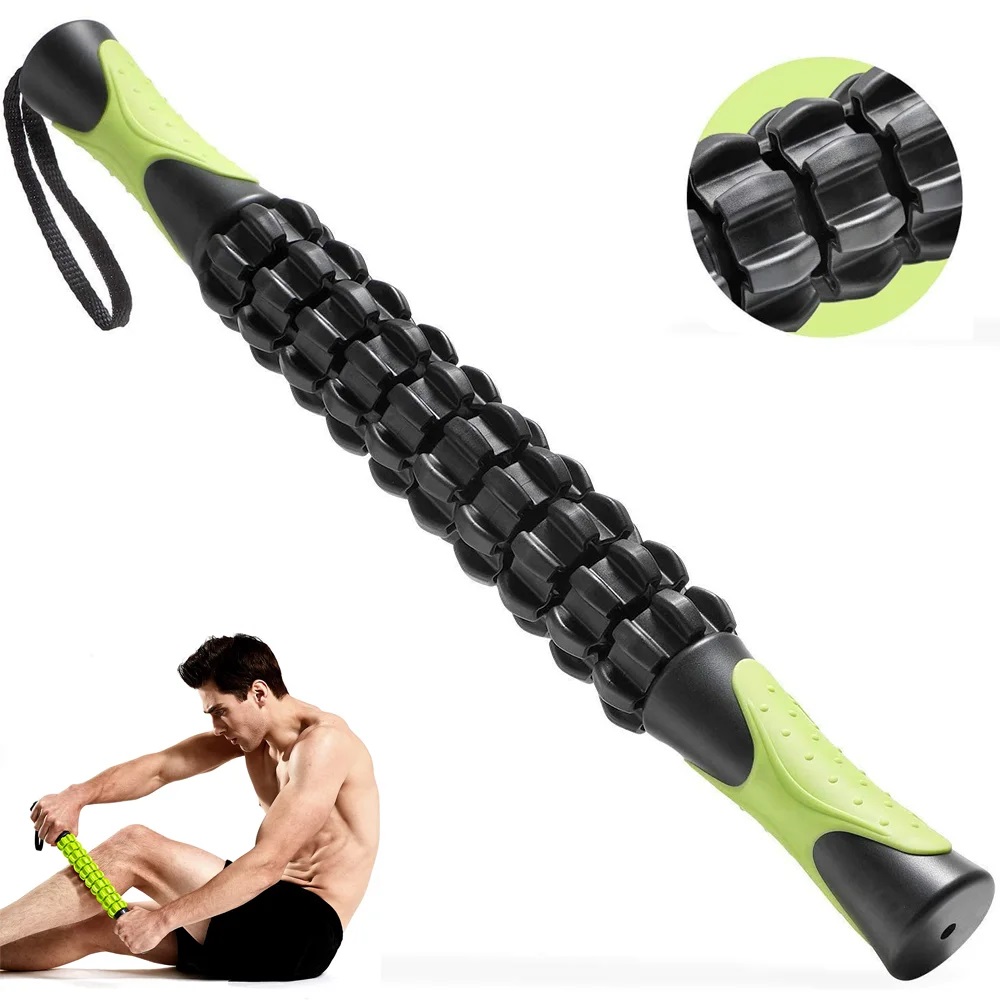
Integrating the Foam Roller Stick into Your Routine
The beauty of the foam roller stick lies in its versatility and ease of integration into various parts of your day.
Pre-Workout Activation
Before hitting the gym or going for a run, a quick session with your foam roller stick can serve as an excellent warm-up. Lightly rolling your target muscle groups helps increase blood flow, primes your muscles for activity, and improves elasticity, reducing the risk of injury. It wakes up your body, getting it ready to perform.
Post-Workout Recovery
This is often where the foam roller stick shines brightest. After your workout, spend some dedicated time rolling out the muscles you’ve just worked. This aids in accelerating recovery, reducing post-exercise soreness, and promoting muscle repair. It’s an active cool-down that helps your body transition from exertion to rest more efficiently.
Daily Maintenance for Desk Jockeys
Don’t reserve it just for workouts. If you have a sedentary job, use your foam roller stick for mini-breaks throughout the day. Target your shoulders, neck, forearms, or even your calves. These short sessions can combat stiffness, improve posture, and alleviate the accumulated tension of prolonged sitting. It’s a simple way to bring movement and relief into your workday.
Who Should and Shouldn’t Use a Foam Roller Stick?
While incredibly beneficial, a foam roller stick isn’t for everyone in every situation.
Who Benefits Most?
- Athletes and Fitness Enthusiasts: Essential for recovery, flexibility, and injury prevention across all disciplines (runners, weightlifters, yogis, etc.).
- Individuals with Sedentary Lifestyles: Great for combating stiffness, improving circulation, and alleviating aches from prolonged sitting or standing.
- People Seeking Targeted Pain Relief: Excellent for isolating and working out specific muscle knots and trigger points.
- Physical Therapy Patients: Often recommended by therapists as a tool for at-home maintenance and rehabilitation.
When to Consult a Doctor:
It’s crucial to exercise caution and consult a healthcare professional before using a foam roller stick if you have:
- Acute or severe pain
- Recent injuries or open wounds
- Certain medical conditions such as osteoporosis, deep vein thrombosis, or advanced diabetes
- Any concerns about your overall health or specific muscle issues
Always prioritize your safety and well-being.
Frequently Asked Questions (FAQ)
How often should I use my foam roller stick?
For general maintenance and recovery, aiming for 5-10 minutes a few times a week is a great start. If you’re highly active or experiencing particular tightness, daily short sessions can be beneficial.
Is a foam roller stick better than a traditional foam roller?
Neither is inherently “better”; they serve different purposes. A traditional foam roller is excellent for large muscle groups and full-body rolling, using your body weight. A foam roller stick offers more targeted, precise pressure for smaller or hard-to-reach areas and provides more control over intensity. Many people find having both tools ideal for a comprehensive approach.
Can a foam roller stick help with plantar fasciitis?
Yes, a foam roller stick can be very effective for relieving tension in the calves and Achilles tendon, which can contribute to plantar fasciitis. Some specific foot rollers are also available, but a stick can work wonders on the surrounding muscles.
How do I clean my foam roller stick?
Most foam roller sticks are made of water-resistant, sweat-proof materials. A simple wipe down with a damp cloth and mild soap is usually sufficient after each use to keep it hygienic.
What’s the ideal pressure to apply?
You should aim for a “good ache” or a feeling of deep massage. It shouldn’t be so painful that you hold your breath or tense up. If you’re grimacing or unable to relax, ease off the pressure.
Can children or seniors use a foam roller stick?
Yes, but with modifications. Children generally have more pliable tissues and may need very light pressure. Seniors should also start gently, focus on comfort, and always consult their doctor, especially if they have underlying health conditions or balance issues. The handheld nature of the stick can be advantageous for those with limited mobility or who struggle to get on the floor.
Take Control of Your Body, Feel the Difference
The foam roller stick is more than just a piece of fitness equipment; it’s an investment in your body’s longevity and your quality of life. By understanding its benefits and mastering its use, you unlock a powerful tool for self-care, recovery, and performance enhancement. Say goodbye to nagging muscle soreness and hello to improved flexibility, reduced stiffness, and a renewed sense of freedom in your movement.
So, why wait? Grab a foam roller stick, explore the incredible benefits it offers, and start experiencing the difference today. Your muscles will thank you!