Ever felt that post-workout soreness lingering a little too long, or those stubborn knots in your back just refusing to let go? You’re not alone. Many of us grapple with muscle tightness, and that’s precisely where the magic of a Grid Foam Roller comes into play. It’s more than just a piece of fitness equipment; it’s your personal, on-demand massage therapist, ready to help you unlock deeper relief and accelerate your recovery. Think of it as your secret weapon for maintaining a happy, flexible, and pain-free body.
What Exactly is a Grid Foam Roller?
At its core, a foam roller is a cylindrical tool designed for self-myofascial release (SMR)—essentially, a fancy term for self-massage. While traditional smooth foam rollers offer a gentler, more uniform pressure, a grid foam roller takes things up a notch. Its distinctive textured surface, often featuring patterns like grids, ridges, and knobs, is engineered to mimic the varying pressures of a massage therapist’s hands. The broader, flatter areas can feel like a palm, the raised strips like fingers, and the smaller, firmer knobs like fingertips, allowing for a much more targeted and intense release of muscle tension and trigger points. This innovative design moves beyond superficial rolling, diving deep into those stubborn knots to stimulate blood flow and encourage healing.
Choosing Your Companion: Types of Foam Rollers and Materials
When it comes to foam rollers, variety is key. Understanding the different types helps you pick the perfect tool for your self-care journey.
Grid vs. Smooth: The Texture Takedown
- Smooth Foam Rollers: These are the classics, offering even pressure across a wider surface area. They’re fantastic for beginners or those with more sensitive muscles who need a gentler introduction to foam rolling. Think of them as a broad, soothing stroke.
- Grid Foam Rollers: As we’ve discussed, the textured surface of a grid foam roller is its superpower. The varied patterns allow you to apply different intensities of pressure, making it ideal for targeting specific muscle knots and deeper tissue work. If you’re looking to really dig into those stubborn tight spots, a grid roller is your go-to.
Density and Dimensions: Finding Your Fit
Foam rollers also come in various densities and sizes, which significantly impact your experience.
- Density: Rollers range from soft (low-density) to firm (high-density). Softer rollers are forgiving and great for beginners or very sensitive areas, while firmer ones are better for experienced users seeking deeper penetration. Many grid foam rollers are designed with a firmer core and durable EVA foam to withstand consistent use and provide effective deep tissue stimulation. The color can sometimes give a hint, with white often being the softest and black the hardest, though this can vary by brand.
- Size and Shape: Standard lengths typically range from 13 to 36 inches, and diameters around 5-6 inches. Shorter rollers are portable and good for specific areas like arms or calves, while longer ones are excellent for larger muscle groups and your back. Some, like the TriggerPoint GRID 2.0, are longer (26 inches) to address larger areas of soreness, such as the chest, back, and legs.
When you’re ready to invest, consider what your body needs most. A good grid foam roller should feel sturdy and capable of handling your body weight without deforming over time.
The Power of the Roll: Benefits of Using a Grid Foam Roller
Incorporating a grid foam roller into your routine isn’t just about feeling good; it’s about making a tangible difference in your physical well-being. The benefits are wide-ranging and impactful:
Alleviate Muscle Soreness and Tension
One of the most immediate perks is the relief from muscle soreness and stiffness. Foam rolling helps break down lactic acid buildup after intense workouts, which is often the culprit behind that “burn” you feel the day after. By applying sustained pressure, you help release those tight spots, allowing your muscles to relax and recover more effectively.
Improve Blood Flow and Circulation
The targeted pressure and rolling motion enhance blood flow to your muscles. Improved circulation means more essential nutrients and oxygen are delivered to tired tissues, while metabolic waste products are carried away, significantly speeding up the recovery process and boosting overall muscle health.
Increase Flexibility and Range of Motion
Regular foam rolling can dramatically improve your flexibility and the range of motion in your joints. By releasing tension in the fascia—the connective tissue surrounding your muscles—you allow your muscles to lengthen and move more freely. This translates to better performance in your workouts and daily activities.
Prevent Injuries
Keeping your muscles pliable and free from knots is crucial for injury prevention. A grid foam roller helps maintain muscle health, reducing the likelihood of strains, pulls, and other overuse injuries by addressing imbalances before they become problematic. “Regular self-myofascial release with a grid foam roller can significantly reduce the risk of common athletic injuries by improving muscle elasticity and reducing chronic tightness,” explains Dr. Anya Sharma, a Doctor of Physical Therapy and certified strength and conditioning specialist.
Accelerate Recovery
After a challenging workout, your muscles need help to bounce back. Foam rolling is an excellent way to fast-track this process, making you feel less sore and more ready for your next session. It’s a proactive step in your fitness journey, ensuring you stay consistent and perform at your best.
Detailed Guide: How to Use Your Grid Foam Roller for Different Muscle Groups
Ready to get rolling? Remember, slow and controlled movements are key. Spend about 30-60 seconds on each muscle group, pausing for 15-30 seconds on any particularly tender spots. And don’t forget to breathe deeply!
General Principles for Effective Rolling:
- Warm-Up First: Ideally, your muscles should be slightly warmed up before you dive into deep foam rolling. A few minutes of light cardio or dynamic stretches can make a big difference.
- Slow and Steady: Resist the urge to rush. Slow, deliberate rolls allow your tissues to respond to the pressure and offer deeper benefits.
- Listen to Your Body: Foam rolling might feel uncomfortable, but it shouldn’t be excruciatingly painful. You’re aiming for that “good pain” sensation—where it hurts a bit but also feels like a release.
- Hydrate: Drink plenty of water before and after your session to aid muscle recovery.
Targeting Specific Muscle Groups:
- Calves: Sit on the floor with the grid foam roller under one calf. Use your hands for support and gently roll from your ankle to just below your knee. For more pressure, cross your other leg over the one on the roller.
- Hamstrings: Sit on the roller with it under your thighs, supporting yourself with your hands. Roll from your glutes down towards your knees, focusing on the entire length of the muscle.
- Glutes (and Piriformis): Sit on the roller, cross one ankle over the opposite knee, and lean into the glute of the crossed leg. Roll gently to target the glutes and piriformis muscle, a common culprit for sciatic-like pain.
- Quadriceps: Lie face down with the roller under your thighs. Support yourself on your forearms and roll from your hips to just above your knees.
- IT Band: Lie on your side with the roller under your outer thigh. Support yourself with your hands and the opposite foot. Gently roll from your hip to just above your knee. Caution: Roll the glutes and TFL (tensor fasciae latae) first, as the IT band itself is connective tissue, not muscle, and direct aggressive rolling can cause inflammation.
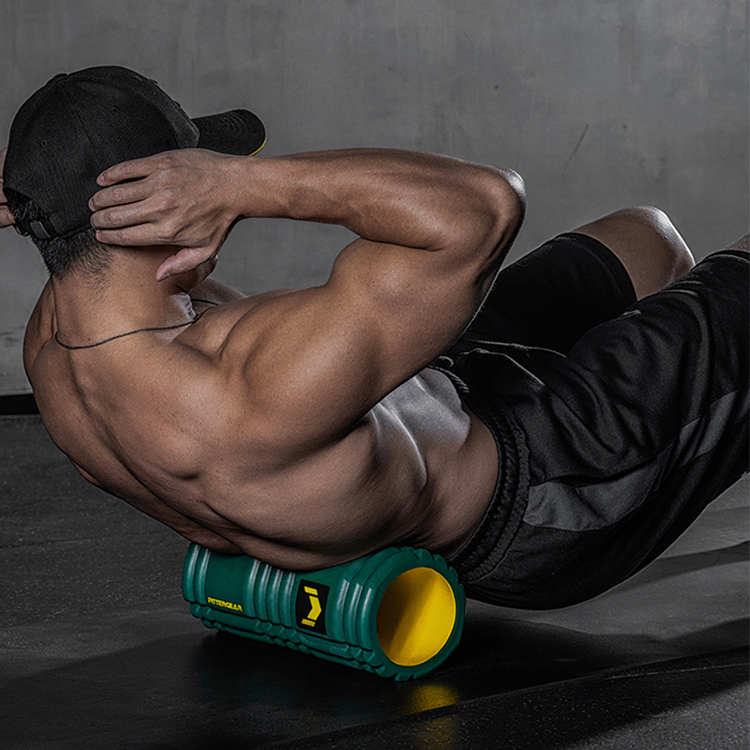
- Upper Back: Lie on your back with the roller positioned horizontally under your upper back, just below your shoulder blades. Support your head with your hands, lift your hips slightly, and roll from your mid-back to just below your neck. Avoid rolling directly on your lower back.
- Lats: Lie on your side, arm extended overhead, with the roller under your armpit area. Gently roll down towards your rib cage, finding any tight spots.
- Feet: While seated, place the grid foam roller under one foot. Slowly roll from your toes to your heel, applying pressure as needed. This can be surprisingly effective for foot pain.
Mastering the Roll: Tips and Common Mistakes to Avoid
Even with the best intentions, it’s easy to fall into some common foam rolling traps. Here’s how to maximize your benefits and stay safe:
Smart Rolling Tips:
- Adjust Pressure with Bodyweight: Use your hands and feet to support your weight, allowing you to control how much pressure is applied to the roller.
- Breathe Through It: Deep, consistent breathing helps relax your muscles and makes the process more effective.
- Consistency is Key: Short, regular sessions (even 5-10 minutes daily) are more beneficial than infrequent, intense ones.
Common Mistakes to Steer Clear Of:
- Rolling Directly on the Pain or Injury: While it’s tempting to attack the most painful spot, pain is often a symptom, not the cause. Rolling directly on an inflamed area or an active injury (like a bruise, strain, or fracture) can worsen it. Instead, roll the muscles around the painful area first to loosen things up.
- Rolling Too Fast: Rapid movements skim the surface and prevent your muscles from truly releasing tension. Slow down, allowing the roller to sink into the tissue.
- Poor Posture: Maintaining proper alignment is crucial. Sagging or collapsing your core can lead to new aches or reinforce bad habits. Keep your core engaged and your spine neutral.
- Holding Your Breath: This increases tension, counteracting the purpose of foam rolling. Remember to inhale and exhale deeply.
- Directly Rolling Your Lower Back: Your lumbar spine is not designed for direct, unbuffered pressure from a foam roller. It can cause muscle spasms or discomfort. Instead, focus on the surrounding muscles: your glutes, hip flexors, and quads.
- Applying Too Much Pressure: While a grid foam roller offers deeper pressure, it shouldn’t be unbearable. If you’re gritting your teeth, ease up. Mild discomfort is normal; sharp pain is a warning sign.
- Spending Too Long on One Spot: Don’t linger on a single spot for more than 30-60 seconds. Move slowly and cover the entire muscle belly.
Integrating Grid Foam Rolling into Your Fitness Routine
When should you roll? The beauty of the grid foam roller is its versatility.
- Before Your Workout: A light, dynamic rolling session (1-3 minutes per muscle group) can serve as a warm-up, helping to increase blood flow and prepare your muscles for activity, potentially improving efficiency.
- After Your Workout: This is where foam rolling truly shines for recovery. Targeting the muscle groups you just worked helps reduce soreness, break down lactic acid, and kickstart the healing process. Aim for 1-2 minutes per muscle group.
- On Rest Days: Using your grid foam roller on rest days can maintain flexibility and address any lingering tightness, helping you stay limber and ready for your next training session.
The key is to make it a consistent habit. Even short, mindful sessions will yield better results over time than sporadic, intense ones.
Who Should and Should Not Use a Grid Foam Roller?
The grid foam roller is a fantastic tool for many, but it’s not for everyone in every situation.
Who Benefits Most?
- Athletes and Active Individuals: Essential for pre- and post-workout recovery, improving performance, and reducing injury risk.
- Desk Workers: Helps counteract the effects of prolonged sitting, such as tight hips, shoulders, and back stiffness.
- Anyone with Muscle Tightness: If you experience general muscle soreness, stiffness, or persistent knots, a grid foam roller can provide significant relief.
- Individuals Seeking Better Flexibility: Regular use can lead to noticeable improvements in range of motion.
Who Should Exercise Caution (or Consult a Professional)?
While generally safe, there are instances where foam rolling might not be appropriate:
- Active Injuries: Avoid rolling directly over bruises, strains, muscle tears, or bone fractures, as this can worsen the injury.
- Certain Medical Conditions: If you have conditions like osteoporosis, severe varicose veins, certain neurological disorders, or are on blood thinners, consult your doctor or a physical therapist before using a foam roller.
- Severe or Unexplained Pain: If you experience sharp, intense pain that doesn’t subside, stop immediately and seek professional medical advice.
As Dr. Sharma advises, “Always err on the side of caution. If you have a known injury or underlying health condition, a quick chat with your physical therapist can ensure you’re using your grid foam roller safely and effectively for your unique needs.”
Frequently Asked Questions
What’s the difference between a grid foam roller and a smooth one?
A grid foam roller has a textured surface with patterns like ridges and knobs, designed to mimic a massage therapist’s hands and provide deeper, more targeted pressure on muscle knots. A smooth foam roller offers uniform, gentler pressure across a broader surface.
How long should I foam roll each muscle group?
Aim for 30-60 seconds per muscle group, pausing on tender spots for 15-30 seconds until you feel the tension begin to release.
Can I foam roll every day?
Yes, in most cases, daily foam rolling is beneficial, especially if you’re active or experience frequent muscle tightness. Consistency is often more important than intensity. However, if you have an injury or specific condition, consult a physiotherapist for guidance.
Is foam rolling supposed to hurt?
Foam rolling can be uncomfortable, especially over tight areas, and should feel like “good pain.” However, it should not be excruciating or cause sharp pain. If you experience intense pain, reduce pressure or stop.
Which muscle groups should I avoid foam rolling directly?
Avoid directly rolling your lower back, neck (especially the cervical spine), and any areas with active injuries (bruises, strains, fractures). For the lower back, focus on surrounding muscles like the glutes and hip flexors.
Conclusion
The grid foam roller is a powerful, accessible tool that empowers you to take control of your muscle health and recovery. From alleviating post-workout soreness and improving blood flow to boosting flexibility and preventing injuries, its benefits are clear. By understanding its unique design, mastering proper techniques, and avoiding common mistakes, you can integrate this fantastic tool seamlessly into your wellness routine. So, go ahead—give it a try, listen to your body, and discover a new level of self-care. Your muscles will thank you!