Are you looking to enhance your fitness routine, improve balance, or simply find a gentler way to release muscle tension? The Half Foam Roller might just be the versatile tool you never knew you needed. Unlike its full-sized counterpart, this unique piece of equipment offers a world of benefits, making it a fantastic addition for everyone from seasoned athletes to those just starting their wellness journey. Let’s dive deep into what makes the half foam roller an indispensable asset for your body.
What Exactly is a Foam Roller?
Before we zoom in on the “half” aspect, let’s briefly touch upon the broader concept. A foam roller is a cylindrical tool used for self-myofascial release (SMR), a fancy term for self-massage to relieve muscle tightness and trigger points. Think of it as your personal massage therapist, helping to improve flexibility, reduce soreness, and accelerate recovery. While traditional foam rollers are full cylinders, offering intense pressure and a wider range of motion for deep tissue work, they aren’t always the best fit for every body or every exercise.
The Distinct Advantage: What is a Half Foam Roller?
The half foam roller is precisely what it sounds like: a foam roller cut lengthwise, resulting in a semi-circular shape with one flat side and one rounded side. This seemingly simple design change opens up a wealth of new possibilities and advantages, setting it apart from its full-cylindrical sibling. While a full roller is excellent for deep, intense pressure, the half roller shines in areas where stability, support, and gentler pressure are paramount.
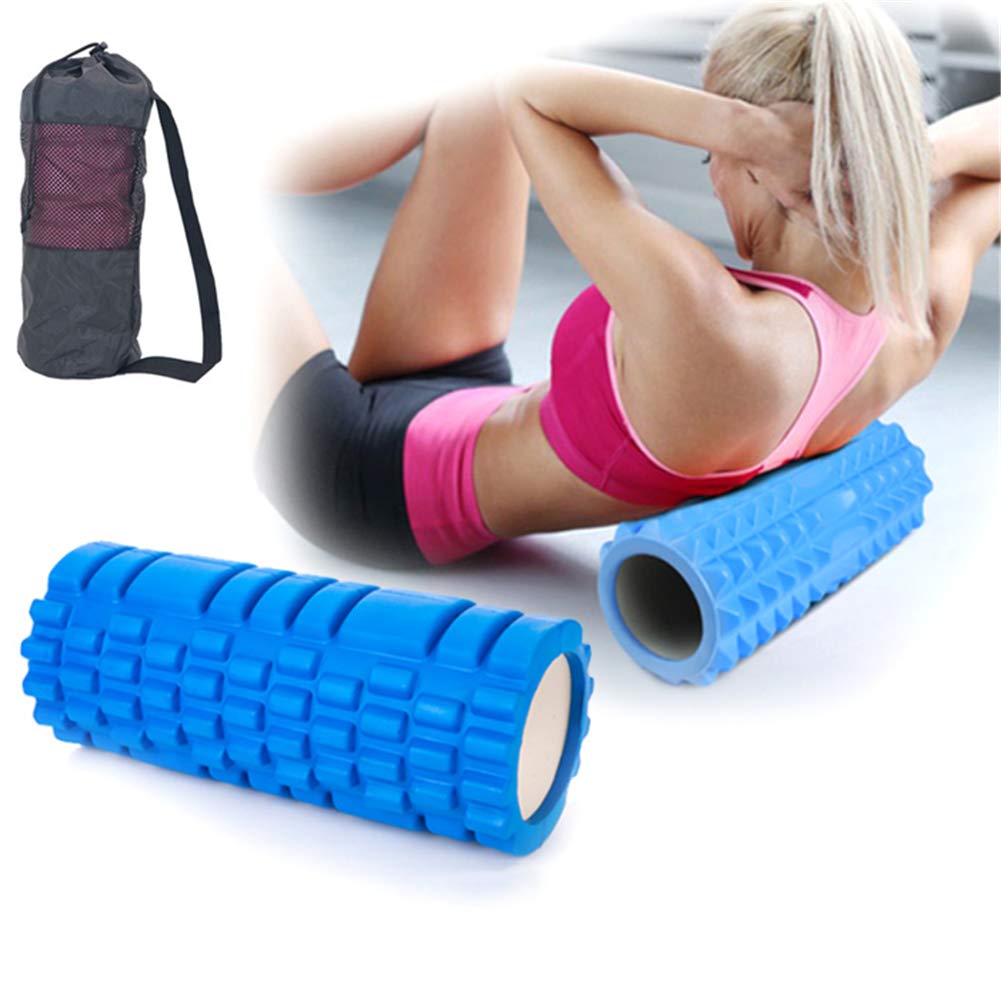
Types of Half Foam Rollers and Their Materials
Just like full foam rollers, half foam rollers come in various materials and densities, each offering a slightly different experience:
- Soft Density (Low Density): Often made of softer EVA foam, these are ideal for beginners, those with sensitive muscles, or individuals recovering from injury. They provide a gentle massage and more comfortable support.
- Medium Density: This is the most common and versatile type, striking a balance between softness and firmness. It’s suitable for general use, offering effective muscle release without being too intense.
- Firm Density (High Density): Crafted from more rigid EVA foam or sometimes polypropylene (EPP), these deliver deeper pressure. They are best for experienced users who can tolerate more intensity or for specific rehabilitation exercises requiring firm support.
- Textured: Some half foam rollers feature bumps or ridges on their rounded surface, designed to mimic the feeling of a therapist’s fingers and target specific trigger points more effectively.
Choosing the right material and density depends on your comfort level, specific needs, and how you plan to incorporate it into your routine.
The Myriad Benefits of Using a Half Foam Roller
The unique design of the half foam roller translates into a distinct set of benefits, making it an incredibly versatile tool:
- Enhanced Balance and Stability Training: The flat base provides a stable platform, while the rounded top introduces an element of instability. This makes it perfect for balance exercises, challenging your core and proprioception (your body’s sense of position in space).
- Targeted Muscle Release with Gentler Pressure: For areas like the spine, shins, or forearms, a full foam roller can be too intense. The half roller offers a softer, more controlled approach, allowing for effective release without excessive discomfort.
- Spinal Support and Alignment: Lying on your back with the half foam roller placed lengthwise beneath your spine can gently support and decompress your vertebrae, promoting better posture and alleviating back stiffness.
- Improved Core Engagement: Many exercises using the half foam roller inherently engage your core muscles as you work to maintain stability, leading to a stronger midsection.
- Rehabilitation and Physical Therapy Aid: Its stable yet challenging nature makes it excellent for physical therapy, helping to restore range of motion, strengthen stabilizing muscles, and assist in injury recovery.
- Gentle Stretching and Flexibility: It can provide a subtle elevation or support for various stretches, deepening the stretch safely and effectively without overstretching.
- Foot Massage and Plantar Fasciitis Relief: Rolling the arch of your foot over the rounded side can be incredibly effective for releasing tension and addressing issues like plantar fasciitis.
“The half foam roller is a hidden gem for anyone serious about improving their functional movement and injury prevention,” says Dr. Elena Petrova, a renowned physical therapist and movement specialist. “Its ability to offer both stability and a gentle challenge allows for more precise and controlled exercises, especially beneficial for core strengthening and postural corrections.”
A Detailed Guide: How to Use a Half Foam Roller for Different Muscle Groups
Let’s explore some practical ways to incorporate the half foam roller into your routine:
For Balance and Core Strength
- Standing Balance: Place the half foam roller rounded side up on the floor. Stand with one foot lengthwise on top of the roller, trying to maintain your balance. Start by holding onto a wall, then progress to hands-free. This powerfully engages ankle stabilizers and core.
- Seated Balance: Sit on the rounded side of the roller with your feet flat on the floor. Gradually lift one foot, then the other, to challenge your core and balance.
- Plank with Hand Support: Place the half foam roller (flat side down) under your hands while in a plank position. The slight instability will increase core activation.
For Spinal Support and Mobilization
- Spinal Extension (Gentle Back Release): Lie on your back with the half foam roller placed lengthwise directly under your spine (flat side down for more stability, rounded side down for a slight lift). Relax your body, allowing your chest to open and your spine to gently extend over the roller. Stay here for 1-2 minutes.
- Thoracic Spine Mobility: Lie on your back with the half foam roller placed horizontally under your upper back (just below your shoulder blades), rounded side up. Interlace your fingers behind your head for support. Gently lift your hips slightly and roll slowly up and down your upper back.
For Leg and Foot Release
- Calf Roll: Sit on the floor with the half foam roller under one calf (rounded side up). Use your hands for support and gently roll back and forth, pausing on tender spots.
- Shin Roll: Kneel on the floor and place the half foam roller under your shins (rounded side up). Gently lean forward, applying pressure to your shins and slowly rolling. Be gentle here, as the shins can be sensitive.
- Foot Arch Massage: Sit in a chair and place one foot on the rounded side of the half foam roller. Roll the arch of your foot back and forth, applying moderate pressure. This is excellent for relieving foot stiffness and plantar fasciitis symptoms.
For Arm and Forearm Release
- Forearm Release: Kneel or sit with the half foam roller on the floor (rounded side up). Place one forearm on the roller, palm facing down. Gently roll from your wrist to your elbow, applying pressure. This can relieve tension from typing or gripping.
Tips and Common Mistakes When Using a Half Foam Roller
To get the most out of your half foam roller and avoid injury, keep these points in mind:
Tips for Success:
- Start Slowly: Especially if you’re new to foam rolling, begin with shorter sessions (30-60 seconds per area) and a softer roller.
- Listen to Your Body: Pain is a signal. While some discomfort is normal during myofascial release, sharp or intense pain means you should stop or adjust your position.
- Breathe Deeply: Deep, controlled breathing helps relax your muscles and can make the rolling process more effective.
- Stay Hydrated: Drinking water before and after foam rolling can aid in muscle recovery.
- Use the Wall for Support: If you’re struggling with balance, use a wall or a sturdy chair for support until you build confidence.
Common Mistakes to Avoid:
- Rolling Too Fast: Rushing through the movements won’t allow your muscles enough time to release. Slow, deliberate rolls are key.
- Holding Your Breath: This tenses your muscles, counteracting the purpose of foam rolling.
- Rolling Directly Over Joints: Avoid rolling directly on knees, elbows, or other joints, as this can cause irritation. Focus on the muscle belly.
- Applying Too Much Pressure Too Soon: Ease into it. You can always increase pressure once your muscles adapt.
- Using it for Acute Injuries: If you have a fresh injury (e.g., a sprain or strain), consult a medical professional before using a foam roller on the affected area.
Integrating the Half Foam Roller into Your Workout Routine
The half foam roller can be seamlessly integrated into various parts of your fitness regimen:
- Warm-up: Use it for light, dynamic stretches and gentle muscle activation before your workout. For instance, a quick foot roll or spinal extension can prime your body.
- Cool-down: Incorporate specific rolls to release tension in muscles you’ve just worked, aiding in recovery and reducing post-exercise soreness.
- Dedicated Recovery Sessions: On rest days, dedicate 10-15 minutes to a full-body half foam roller routine to improve flexibility and maintain muscle health.
- Balance Training: Use it for specific balance drills a few times a week to enhance proprioception and core stability.
Who Should (and Shouldn’t) Use a Half Foam Roller?
The half foam roller is an excellent tool for a wide range of individuals:
Who Should Use It:
- Beginners to Foam Rolling: Its stability makes it less intimidating than a full roller.
- Individuals Seeking Improved Balance: Athletes, seniors, or anyone looking to enhance their stability.
- Those with Spinal Discomfort: Gentle spinal support and mobilization.
- People Recovering from Certain Injuries: Under guidance from a physical therapist, it can be a safe rehabilitation tool.
- Runners and Walkers: Great for foot and lower leg issues.
- Individuals Needing Gentler Muscle Release: For sensitive areas or those prone to bruising.
- Anyone Looking to Enhance Core Stability: Many exercises naturally engage the core.
Who Should Exercise Caution or Avoid It:
- Individuals with Osteoporosis or Severe Osteopenia: Consult a doctor, as excessive pressure on bones could be risky.
- Those with Acute Injuries or Open Wounds: Avoid rolling directly over injured areas.
- People with Certain Medical Conditions: If you have conditions like deep vein thrombosis, advanced diabetes, or connective tissue disorders, consult a healthcare professional first.
- Pregnant Individuals: While generally safe for some exercises, always consult your doctor or physical therapist for appropriate modifications.
Frequently Asked Questions About the Half Foam Roller
Q: What is the main difference between a half foam roller and a full foam roller?
A: The main difference is stability and intensity. A full foam roller is cylindrical and provides intense, deep tissue pressure, often challenging to balance on. A half foam roller has a flat base, offering more stability and a gentler, more controlled massage, making it ideal for balance work, spinal support, and sensitive areas.
Q: Can a half foam roller help with posture?
A: Yes, absolutely! Lying lengthwise on a half foam roller with your spine supported can gently encourage spinal extension and alignment, helping to open up the chest and improve overall posture over time. Regular use can strengthen the core and back muscles that support good posture.
Q: Is a half foam roller good for beginners?
A: A half foam roller is excellent for beginners. Its flat side provides a stable base, making it less intimidating and easier to use for balance exercises and gentler muscle release compared to a full, round foam roller.
Q: How often should I use my half foam roller?
A: You can use your half foam roller daily, especially for gentle stretches, balance work, or targeted muscle release. For more intense rolling, 3-5 times a week is generally sufficient, allowing your muscles time to recover. Always listen to your body and adjust frequency as needed.
Q: Can I use a half foam roller for my feet?
A: Yes, using a half foam roller for your feet is highly effective. Simply place the rounded side up and roll the arch of your foot over it. This can help relieve tension, improve circulation, and alleviate symptoms of plantar fasciitis.
Q: What are some good core exercises with a half foam roller?
A: Great core exercises include seated balance (sitting on the roller and lifting feet), plank with hands or forearms on the roller (flat side down), or supine core work where the roller adds instability under your lower back or feet during crunches or leg raises.
Conclusion
The half foam roller is more than just half a tool; it’s a complete solution for enhancing your physical well-being. Its unique design offers a blend of stability and challenge, making it an invaluable asset for improving balance, promoting spinal health, gently releasing muscle tension, and bolstering core strength. Whether you’re a seasoned athlete or just embarking on your fitness journey, embracing the half foam roller can unlock new levels of body awareness, flexibility, and overall physical comfort. Don’t underestimate the power of this versatile tool – try integrating it into your routine and experience the profound benefits for yourself!