Ever felt that persistent ache after a tough workout or the stiffness that creeps in from a day glued to your desk? You’re not alone. Many of us are constantly searching for effective ways to soothe our muscles, boost recovery, and unlock our full physical potential. While traditional self-massage tools have been around for ages, there’s one game-changer that has truly revolutionized how we approach muscle care: the Hollow Foam Roller. This isn’t just another piece of equipment; it’s your personal deep-tissue therapist, ready to transform your recovery and elevate your overall well-being.
What Exactly is a Hollow Foam Roller?
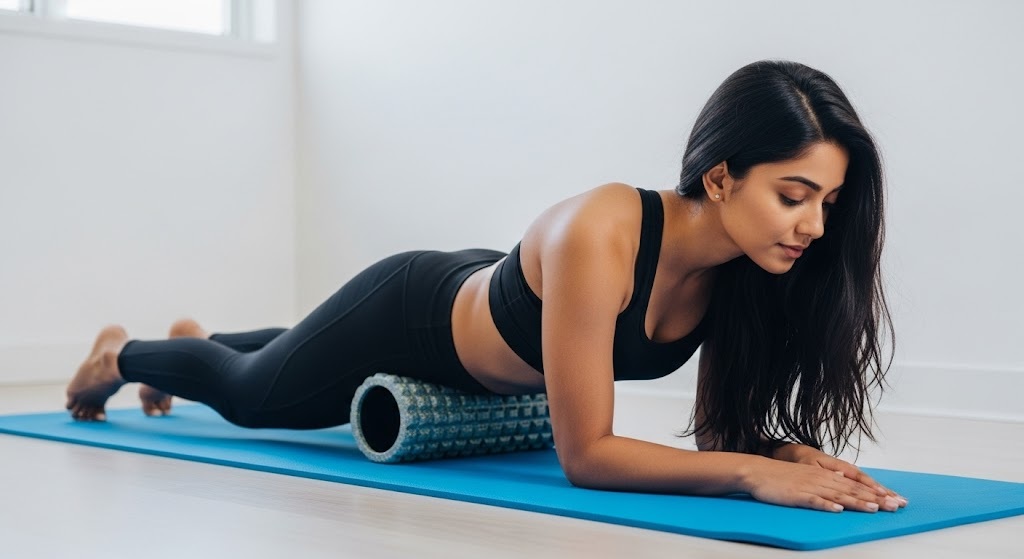
At its core, a foam roller is a cylindrical tool used for self-myofascial release (SMR), essentially a fancy term for self-massage. It helps release tightness in the fascia—the web of connective tissue surrounding your muscles—and iron out those pesky muscle knots. While many types of foam rollers exist, the hollow foam roller stands out with a distinctive design. Unlike its solid counterparts, it features a rigid inner core, often made of durable PVC or hard plastic, wrapped in a layer of high-density foam. This innovative construction isn’t just a design choice; it’s a performance enhancer.
The concept of foam rolling has gained significant traction since the 1980s, becoming a staple in both athletic training rooms and rehabilitation clinics. Its effectiveness in easing tight muscles, speeding up recovery, and helping prevent injuries has made it indispensable for everyone from elite athletes to weekend warriors.
Deeper Dive: The Unique Design of Hollow Foam Rollers
The secret sauce of a hollow foam roller lies in its construction. Let’s break down what makes these rollers so effective and versatile.
Materials and Core Strength
The inner core, typically crafted from rigid PVC or hard plastic, provides superior stability and firmness that a purely foam roller simply can’t match. This hard core is then enveloped in a layer of high-density foam, often Ethylene Vinyl Acetate (EVA) foam, known for its resilience and ability to withstand repeated pressure. This combination ensures that the roller maintains its shape and effectiveness even with aggressive, consistent use, proving to be more durable over time.
Textures for Targeted Relief
You’ll notice that many hollow foam rollers come with varied surface textures:
- Grid Patterns: These rollers feature a series of square or rectangular patterns designed to mimic the feel of a therapist’s fingers and thumbs, providing continuous kneading as you roll.
- Nodules or Bumps: Rollers like the Rumble Roller incorporate highly-raised nodules that dig deeper into muscle tissue, offering a more intense, targeted massage that pulls and pushes muscles in multiple directions.
- Smooth Surfaces: While less common for hollow core rollers, some maintain a smoother surface to provide consistent, even pressure, which can be a good starting point for those new to firmer rolling.
The choice of texture directly impacts the intensity of your massage. Textured surfaces excel at isolating trigger points and reaching deeper layers of muscle tissue, making them highly effective for breaking up stubborn knots and adhesions.
Why the Hollow Core Matters
Beyond firmness and durability, the hollow core design brings practical advantages. It makes the roller significantly lighter than solid options, an absolute boon for anyone who travels frequently or carries their gear to and from the gym. Plus, that empty space isn’t just for show – some smart designs allow you to store small items like a water bottle, resistance bands, or a towel inside, making your gym bag a little less cumbersome.
The Transformative Benefits of a Hollow Foam Roller
Integrating a hollow foam roller into your routine can unlock a cascade of benefits, helping you move better, feel better, and perform better.
Deep Tissue Massage & Myofascial Release
This is where the hollow foam roller truly shines. The rigid core and often textured surface allow for a much deeper, more penetrating massage compared to softer, smooth rollers. This intense pressure helps break down myofascial adhesions—those “knots” in your muscles and surrounding connective tissue—which can limit movement and cause pain. As Dr. Liam Gallagher, a renowned Sports Physiotherapist, puts it, “The structured rigidity of a hollow foam roller enables a superior application of force, crucial for effective self-myofascial release, allowing you to truly get into those stubborn trigger points that a softer roller just skims over.”
Reducing Muscle Soreness (DOMS) & Inflammation
Delayed-onset muscle soreness (DOMS) is that familiar stiffness and pain that appears a day or two after an intense workout. Foam rolling, especially with a firm roller, has been shown to significantly reduce muscle tenderness and fatigue, helping you bounce back quicker. By increasing blood flow and loosening tight tissues, it aids in flushing out metabolic waste products and reducing inflammation.
Increasing Flexibility & Range of Motion
Regular foam rolling helps to lengthen and relax tight muscles, leading to improved flexibility and an increased range of motion in your joints. This is particularly effective when combined with static stretching, allowing your muscles to move more freely and efficiently.
Improving Blood Circulation & Nutrient Delivery
The pressure applied during foam rolling can help improve blood circulation by breaking up areas where blood flow might be restricted. Better circulation means more oxygen and nutrients delivered to your muscles, which is vital for repair and recovery.
Injury Prevention & Recovery
By keeping your muscles pliable and free of knots, a hollow foam roller plays a crucial role in injury prevention. Tight muscles are more prone to strains and tears. For those recovering from injuries, targeted pressure can also help break up scar tissue and restore normal muscle function.
Stress Reduction & Relaxation
Beyond the physical, foam rolling offers a mental reprieve. The focused, slow movements can be a meditative practice, helping to reduce stress hormones like cortisol and promote a sense of relaxation, both before and after a workout.
Navigating Your Hollow Foam Roller: A How-To Guide
Ready to roll? While the hollow foam roller offers incredible benefits, proper technique is key to maximizing its potential and avoiding injury.
Basic Principles for Effective Rolling
- Go Slow and Steady: Resist the urge to rush. Roll no more than one inch per second. This allows the muscle tissue to adapt to the pressure and begin to release.
- Pinpoint and Hold: When you find a tender spot or a “trigger point,” pause and hold the roller there for 20-30 seconds. Breathe deeply and try to relax into the pressure. You should feel discomfort, but not sharp, radiating pain.
- Use Your Body Weight Wisely: Your body weight provides the pressure. Adjust the intensity by shifting your weight—less weight for gentler pressure, more for deeper work. If an area is too painful for direct pressure, shift the roller slightly to apply pressure to the surrounding tissue, gradually working your way to the tight spot.
- Breathe Through It: It’s easy to hold your breath when you hit a tender spot. Consciously take long, slow breaths. Oxygen helps the muscles relax and release.
Essential Exercises for Different Muscle Groups
Here are some common areas where a hollow foam roller can work wonders:
Lower Body
- Calves: Sit with one leg extended, roller under your calf. Use your hands for support, lifting your glutes slightly. Roll slowly from ankle to just below the knee, rotating your leg to target different parts of the calf. For more intensity, cross your other leg over the working leg.
- Hamstrings: Sit with the roller under your hamstrings. Roll from just above the knee to the base of your glutes.
- Quadriceps: Start in a plank position, roller under your thighs. Using your forearms and feet for leverage, roll from above your knees to below your hip bones.
- Glutes: Sit on the roller, place one ankle over the opposite knee, and lean into the glute of the crossed leg. Roll gently to find tender spots.
- IT Band: Lie on your side with the roller under your outer thigh, supporting yourself with your forearms. Roll slowly from above your knee to just below your hip bone. This area can be quite sensitive, so start gently!
Upper Body & Core
- Upper Back (Thoracic Spine): Lie on your back with the roller positioned horizontally across your mid-back, hands behind your head. Lift your glutes and roll slowly from your mid-back to your shoulders. Avoid rolling on your lower back or neck.
- Lats (Latissimi Dorsi): Lie on your side, roller under your armpit, perpendicular to your body. Extend your lower arm. Roll from your armpit down to your mid-torso, leaning slightly forward or backward to adjust the angle.
- Pectorals (Chest Muscles): Lie face down, positioning the roller diagonally under one side of your chest, near the shoulder joint. Gently roll back and forth, adjusting the angle to target different parts of the muscle.
Tips for Maximizing Your Session
- Warm-up and Cool-down: Incorporate foam rolling into your warm-up to improve range of motion and reduce muscle tension, and into your cool-down to aid recovery and prevent soreness.
- Consistency is Key: Aim for 10-20 minutes daily, or two to three sets of 30-60 seconds per muscle group. Regularity yields the best results.
- Listen to Your Body: This isn’t a pain tolerance test. While some discomfort is expected, sharp, shooting pain means you need to ease up or move to a different spot.
Common Mistakes to Avoid
- Rolling Too Fast: You’ll miss the trigger points and irritate the muscle instead of releasing it.
- Rolling Too Hard: Applying excessive pressure can cause bruising or injury.
- Rolling Over Joints, Bones, and Ligaments: Stick to muscle tissue. Rolling over bony prominences or joints can cause irritation or damage.
- Directly Rolling Your Neck and Lower Back: These areas require specialized care. The lower back, in particular, can be susceptible to hyperextension when rolled, which can be injurious.
- Tensing Your Muscles: Try to relax the muscle you are working on. Tensing up will counteract the release you’re trying to achieve.
Who Should Embrace the Hollow Foam Roller?
The versatility and effectiveness of the hollow foam roller make it a beneficial tool for a wide range of individuals:
- Athletes and Fitness Enthusiasts: If you’re regularly pushing your body, a hollow foam roller is invaluable for enhancing performance, speeding up recovery, and keeping muscles primed for action.
- Individuals Seeking Deeper Tissue Work: For those who crave a more intense massage to tackle chronic tightness or stubborn knots, the firm pressure of a hollow roller is unmatched.
- Those with Chronic Muscle Tightness: If you experience daily stiffness from prolonged sitting, standing, or repetitive movements, regular rolling can provide significant relief.
- Travelers and Space-Conscious Users: Its lightweight, hollow design makes it perfect for packing in a suitcase without adding bulk or weight, allowing you to maintain your recovery routine on the go.
- When to Consult a Professional: While foam rolling is generally safe, always consult with a doctor or physical therapist if you have an existing injury, chronic pain, or medical condition to ensure it’s appropriate for you.
Choosing Your Perfect Hollow Foam Roller
With so many options, how do you pick the right hollow foam roller? Consider these factors:
| Feature | Description | Ideal For |
|---|---|---|
| Density | Hollow rollers are typically firm or extra-firm due to their rigid core. | Experienced users, athletes, individuals seeking deep tissue massage |
| Texture | Smooth: Provides even pressure. Textured (Grid/Nodules): Offers more targeted, intense pressure. |
Smooth: Beginners (if available in hollow design) Textured: Advanced users, targeting specific knots |
| Size | 12-18 inches: Portable, good for targeting smaller areas like calves and arms. 24-36 inches: More stable for larger muscle groups and core work. |
Shorter: Travel, targeted work Longer: Home use, full-body rolling |
As you become more accustomed to foam rolling, your muscles will adapt, and you might find yourself craving a firmer, more textured roller for deeper penetration.
Frequently Asked Questions About Hollow Foam Rollers
Q: Is a hollow foam roller suitable for beginners?
A: While hollow foam rollers are generally firmer and provide a more intense massage, some textured designs can be managed by beginners by adjusting body weight. However, true beginners might find a softer, smoother roller (even a solid one) less intimidating initially. It’s always best to start gently and gradually increase pressure.
Q: How often should I use my hollow foam roller?
A: For best results, aim to use your hollow foam roller daily for 10-20 minutes, or incorporate it before and after workouts. Consistency is more important than intensity in a single session.
Q: Can a hollow foam roller really help with chronic back pain?
A: For upper and mid-back tightness, a hollow foam roller can be very effective in promoting spinal mobility and releasing muscle tension. However, avoid rolling your lower back directly, especially if you have chronic pain, as it can cause hyperextension and potential injury. Consult a professional for persistent back pain.
Q: What’s the best way to clean a hollow foam roller?
A: Most hollow foam rollers are easy to clean with a damp cloth and mild soap. For a deeper clean, you can use an antibacterial spray and wipe it down, allowing it to air dry thoroughly.
Q: What’s the difference between a hollow foam roller and a vibrating one?
A: A hollow foam roller focuses on manual pressure and texture to achieve myofascial release. A vibrating foam roller, on the other hand, combines this manual pressure with high-frequency vibrations. These vibrations can speed up muscle relaxation and loosening, offering a different, often more pleasurable, release, though they are typically more expensive.
Conclusion: Unlock Your Body’s Potential with a Hollow Foam Roller
The hollow foam roller is far more than a simple recovery tool; it’s a gateway to deeper self-care, enhanced physical performance, and lasting relief from muscle tightness. By understanding its unique design, embracing its profound benefits, and mastering the right techniques, you can effectively manage muscle soreness, improve your flexibility, and prevent injuries. So, take the plunge! Grab your hollow foam roller, commit to a consistent routine, and prepare to unlock a new level of physical freedom and well-being. Your body will thank you for it, and you’ll soon be moving with the ease and power you’ve always desired.