Ever feel those stubborn knots or persistent soreness after a tough workout? You’re not alone. In the quest for optimal muscle recovery, athletes and fitness enthusiasts are constantly seeking tools that can help them bounce back faster and stronger. You might have heard the term “Hypervolt Foam Roller” tossed around, and while it’s a common phrase, it actually touches upon two distinct, yet equally revolutionary, muscle recovery powerhouses from Hyperice: the Hypervolt percussion massage gun and the brand’s innovative vibrating foam rollers, like the Vyper. Let’s dive deep into these game-changing devices and uncover how they can transform your recovery routine.
What is a Foam Roller, and How Did it Evolve?
For years, the humble foam roller has been a staple in gyms and physical therapy clinics. At its core, foam rolling is a form of self-myofascial release (SMR), a technique used to ease muscle tightness and improve flexibility by applying pressure to specific points on your body. Imagine kneading dough – that’s essentially what you’re doing to your muscles and fascia (the connective tissue surrounding them) with a foam roller. Traditional foam rollers rely solely on your body weight to apply this pressure, aiming to break up adhesions and improve blood flow.
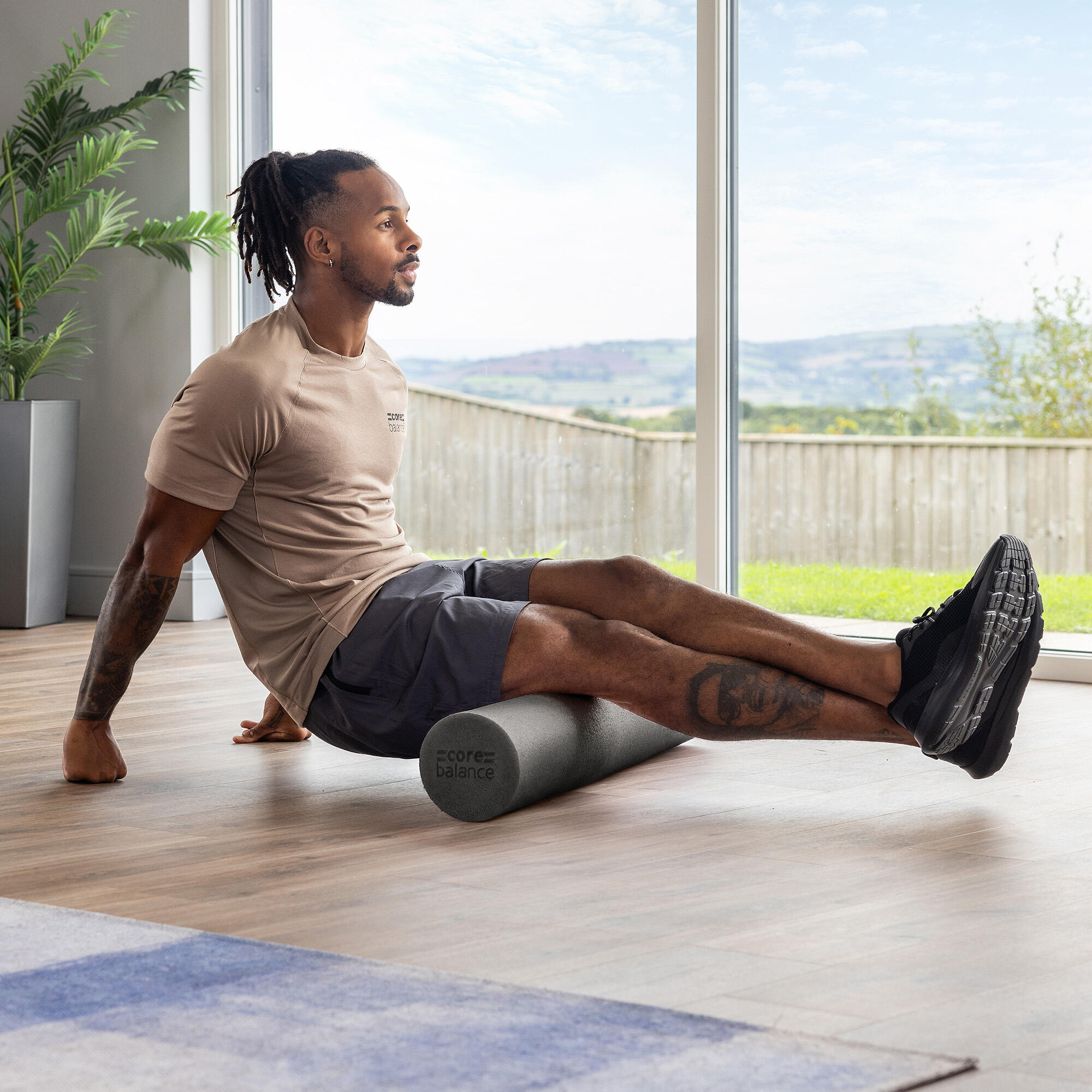
However, just like cell phones evolved from flip phones to smartphones, muscle recovery tools have undergone a significant transformation. Enter the era of vibrating foam rollers and percussive therapy devices. Hyperice, a leader in this space, pioneered vibrating rollers with products like the Vyper, adding a new dimension of therapeutic vibration to the established benefits of SMR. This vibration allows for a deeper, more comfortable release, making the foam rolling experience far more effective and less intimidating for many.
Demystifying the Hypervolt: More Than Just a Foam Roller
Let’s clear up a common misconception: the Hypervolt is not a foam roller. It’s a high-performance, handheld percussion massage gun designed to deliver targeted deep tissue treatment. Think of it as a personal massage therapist in your hand, capable of applying rapid, repetitive pulsating movements (percussive therapy) directly to your muscles.
The Hypervolt comes packed with features engineered for precision and power. With multiple interchangeable head attachments – like the ball, flat, bullet, and fork – you can customize your massage experience for different muscle groups and sensitivities. It also boasts several speed settings, often reaching up to 3,200 percussions per minute, allowing you to dial in the perfect intensity for everything from a gentle warm-up to an intense deep tissue session. One of its standout qualities is its remarkably quiet operation, making your recovery sessions peaceful and convenient, whether you’re at home or on the go.
The Power Duo: Hypervolt and Hyperice Vibrating Foam Rollers Explained
While distinct, the Hypervolt and Hyperice’s vibrating foam rollers (such as the Vyper line) share the common goal of enhancing muscle recovery and performance. Understanding their unique strengths helps you integrate them most effectively into your routine.
Hyperice Vibrating Foam Rollers (e.g., Vyper)
What are they? These are traditional foam rollers elevated by the integration of powerful vibrations. Made with high-density foam and a vibrating core, they deliver a more profound and dynamic self-myofascial release than standard rollers.
What are the benefits? The added vibration allows for deeper muscle activation and helps increase blood flow more effectively. This can significantly reduce post-workout soreness by helping to flush out metabolic waste like lactic acid. Many users find the vibration makes the rolling experience less painful, enabling them to relax into the release more readily. Regular use can also lead to improved flexibility and an increased range of motion, which is crucial for better movement patterns and injury prevention.
When should you use them? Vibrating foam rollers are excellent for larger muscle groups like your quads, hamstrings, glutes, lats, and upper back. They’re fantastic for general tension relief and can be used both as a warm-up tool (at lower settings) to wake up muscles or as a cool-down aid (at higher settings) to facilitate recovery.
The Hypervolt Massage Gun
What is it? As discussed, the Hypervolt is a percussive massage gun, not a roller. It delivers rapid, concentrated pulses of pressure deep into muscle tissue.
What are the benefits? The Hypervolt excels at pinpoint accuracy, making it ideal for targeting specific knots, trigger points, and areas of severe muscle tightness that might be difficult to reach or effectively treat with a foam roller. Its percussive action helps to mobilize fascia, increase lymphatic fluid circulation, and stimulate the Golgi tendon organs, which can help relax muscles and increase range of motion. It provides a more intense, deep-tissue massage experience, promoting faster recovery and reducing muscle stiffness.
When should you use it? The Hypervolt is your go-to for precise, deep tissue work. If you have a specific tight spot in your shoulders, calves, or hip flexors, the Hypervolt can deliver intense, focused relief. It’s also fantastic for pre-activity muscle activation and post-activity recovery, especially when you need to address very localized soreness or tightness.
Choosing Your Champion: Hypervolt or Vibrating Foam Roller?
Deciding between a Hypervolt and a vibrating foam roller isn’t about one being “better” than the other; it’s about understanding your needs and how each tool can serve you.
| Feature | Hypervolt (Massage Gun) | Hyperice Vibrating Foam Roller (e.g., Vyper) |
|---|---|---|
| Mechanism | Percussive therapy (rapid pulses) | Body weight pressure + vibration |
| Target Area | Highly targeted, specific knots/points | Broader muscle groups, general tension |
| Intensity | More intense, deep tissue massage | Effective, vibration reduces pain |
| Ease of Use | Hands-off, less physical effort required | Requires body weight adjustment & technique |
| Portability | Compact, easy for travel | Lightweight but larger in size |
| Cost | Generally higher investment | Mid-range, usually more budget-friendly than Hypervolt |
If you’re dealing with very specific, localized muscle tightness or simply prefer a less physically demanding recovery tool, the Hypervolt percussion massager might be your ideal choice. However, if your focus is on broader muscle groups, general myofascial release, and a recovery process that combines traditional rolling with the added comfort of vibration, a Hyperice vibrating foam roller like the Vyper is an excellent solution. Many athletes find that using both tools offers the most comprehensive approach to recovery, leveraging the targeted power of the Hypervolt and the widespread benefits of the vibrating roller.
Mastering the Art: How to Use Your Hyperice Recovery Tool Effectively
Effective use of these tools is key to unlocking their full potential. Remember, listening to your body is paramount. Always start slow, especially if you’re new to these techniques, and gradually increase intensity as you get more comfortable.
Using a Hyperice Vibrating Foam Roller
- Lower Body (Quads, Hamstrings, Calves): Position the roller beneath the target muscle group. Use your hands or other leg for support. Gently roll back and forth, moving about an inch per second. When you find a tender spot, pause on it for 20-30 seconds, allowing the vibration to work its magic.
- Glutes: Sit directly on the roller with one leg crossed over the other. Lean slightly towards the glute you want to target and roll back and forth.
- Upper Back (Lats, Rhomboids): Lie on your back with the roller positioned mid-spine. Cross your arms over your chest or place your hands behind your head to support your neck. Gently roll up towards your shoulders, avoiding direct contact with your neck or lower back.
- Important Tips: Avoid rolling directly on your spine, joints, or bony prominences. Let the roller’s vibration do the work; there’s no need to force your body weight down excessively. Stay hydrated to help with muscle elasticity.
Using the Hypervolt Massage Gun
- Choosing Attachments:
- Ball: General use, large muscle groups (quads, glutes, hamstrings).
- Flat Head: Broader surface area, good for dense muscles.
- Bullet: Pinpoint accuracy for trigger points and knots.
- Fork: Ideal for muscles around the spine (avoiding the bone itself) or Achilles tendons.
- Application: Turn on the Hypervolt to the lowest setting initially. Gently press the device against the muscle you want to treat. Instead of pressing hard, let the percussive action do the work. Glide the Hypervolt slowly over the muscle, holding it on particularly tight spots for 15-30 seconds.
- Target Areas:
- Shoulders/Traps: Glide along the muscle, avoiding bony areas like the shoulder blade or collarbone.
- Glutes/Hips: Excellent for deep glute work.
- Hamstrings/Quads: Move along the length of the muscle.
- Calves: Work from the Achilles up to the knee, avoiding the knee joint.
- Important Tips: Never use the Hypervolt directly on bones, joints, arteries, nerves, or open wounds. Start with lower speeds and attachments, gradually increasing as your comfort allows. Hover over tender spots rather than pushing forcefully. Always keep the device moving slightly, don’t just hold it in one static position for too long, especially at higher intensities.
Integrating Recovery into Your Routine
Consistent recovery is just as vital as consistent training. Here’s how to seamlessly weave Hyperice tools into your fitness regimen:
- Pre-Workout Warm-up: Use your Hyperice vibrating foam roller on a low setting for 5-10 minutes to increase blood flow and activate muscles, preparing your body for activity. Alternatively, a quick 1-2 minute sweep with the Hypervolt on target muscles can prime them.
- Post-Workout Recovery: After your session, dedicate 10-15 minutes to deeper myofascial release. Use the vibrating foam roller on major muscle groups to flush out lactic acid and reduce stiffness. For more intense soreness or specific knots, grab your Hypervolt for targeted relief.
- Daily Maintenance: Even on rest days, a short 5-minute session with either tool can significantly reduce everyday stiffness, improve posture, and keep your muscles happy. If you sit for long periods, a quick roll on your lower back or hips with a vibrating foam roller can work wonders.
Who Benefits Most (and Who Should Be Cautious)?
These advanced recovery tools are a boon for a wide range of individuals:
- Athletes and Fitness Enthusiasts: From runners and weightlifters to yogis and combat sports practitioners, anyone pushing their physical limits can benefit from faster recovery and improved performance.
- Individuals with Muscle Stiffness/Soreness: If you experience chronic tightness or general muscle aches, these tools can provide significant relief.
- Those with Limited Mobility: The Hypervolt’s hands-off approach can be particularly advantageous for individuals who struggle with the bodyweight adjustments required for traditional foam rolling.
However, like any powerful tool, there are considerations for caution:
- Consult a Professional: If you have existing injuries, severe pain, medical conditions (like deep vein thrombosis, advanced osteoporosis, or certain heart conditions), or are pregnant, always consult with a physician or physical therapist before using these devices.
- Avoid Sensitive Areas: Never use these tools directly on open wounds, bruised areas, varicose veins, or directly over major nerves or arteries.
- Listen to Your Body: Pain is a warning sign. If something feels acutely painful beyond a tolerable deep pressure, stop immediately.
Tips for Maximizing Your Hyperice Experience & Avoiding Common Mistakes
To truly get the most out of your Hyperice recovery tools, keep these pointers in mind:
- Hydrate, Hydrate, Hydrate: Water is essential for healthy fascia and muscle function. Pair your recovery sessions with ample hydration.
- Combine with Stretching: While SMR helps release tightness, stretching improves muscle length. Use them in tandem for comprehensive flexibility.
- Be Patient and Consistent: Recovery is a marathon, not a sprint. Regular, shorter sessions are often more effective than infrequent, long ones. “Think of muscle care like brushing your teeth,” advises Dr. Anya Sharma, a leading sports physiotherapist. “Consistent, daily attention prevents bigger problems down the line.”
- Avoid Over-Treatment: More is not always better. Excessive pressure or prolonged use on one area can cause irritation rather than relief.
- Don’t Rush: Take your time with each muscle group. Slowly gliding and pausing on tender spots yields better results than quickly rolling over everything.
Frequently Asked Questions (FAQ)
Is Hypervolt a foam roller?
No, the Hypervolt is a percussion massage gun. It uses rapid, targeted pulses to massage muscles. Hyperice, the company that makes Hypervolt, also produces vibrating foam rollers like the Vyper, which combine traditional foam rolling with vibration therapy.
How often should I use my Hyperice recovery tool?
For most people, using a Hyperice tool 3-4 times a week for 10-15 minutes can be very beneficial. You can use it before workouts for warm-up, after workouts for recovery, or for general daily muscle maintenance.
Can I use the Hypervolt on my neck or spine?
It’s generally advised to avoid direct contact with the cervical spine (neck) and any bony prominences. While a vibrating foam roller can be used on the upper back (thoracic spine) by avoiding direct spinal contact, the Hypervolt should be used with extreme caution around the neck and never directly on the spine. Always use a flat or ball attachment and keep the device moving gently, staying on muscle tissue.
What’s the best Hypervolt attachment for deep tissue massage?
For deep tissue work and targeting specific knots, the bullet attachment is often preferred due to its concentrated pressure point. The flat head or ball attachment can also provide deep pressure over broader areas, depending on your comfort and the muscle size.
Is investing in a Hyperice Hypervolt or vibrating foam roller worth it?
Many users, from professional athletes to everyday fitness enthusiasts, find Hyperice products to be a worthwhile investment due to their effectiveness in reducing soreness, improving flexibility, and speeding up recovery. The choice depends on your specific needs, preferences for therapy intensity, and budget.
Conclusion
The landscape of muscle recovery has been fundamentally transformed by innovative tools like the Hypervolt percussion massage gun and Hyperice’s vibrating foam rollers. No longer do we have to simply endure muscle soreness; we now have powerful, intelligent devices designed to help us feel better, move more freely, and perform at our peak. By understanding the unique benefits of each—whether it’s the targeted, deep tissue power of the Hypervolt or the expansive, vibrating relief of a Hyperice foam roller—you can create a recovery strategy that truly works for you. So go ahead, embrace these revolutionary tools, integrate them wisely into your routine, and prepare to experience a new level of recovery. Your body will thank you for it!