Do you ever find yourself waking up with nagging aches, battling stiffness after a long day at your desk, or feeling like your body just isn’t moving as freely as it should? You’re not alone. Many of us yearn for that feeling of effortless movement, but busy lives often mean we neglect the crucial work of muscle recovery and mobility. That’s where the humble yet mighty Long Foam Roller comes into play, offering an accessible and incredibly effective way to unlock a more flexible, pain-free you. This versatile tool is more than just a piece of foam; it’s your personal at-home massage therapist, stability trainer, and a key to unlocking peak physical performance and daily comfort. Whether you’re a seasoned athlete, a weekend warrior, or simply someone looking to feel better in their own skin, understanding the benefits and proper use of a long foam roller can be a game-changer.
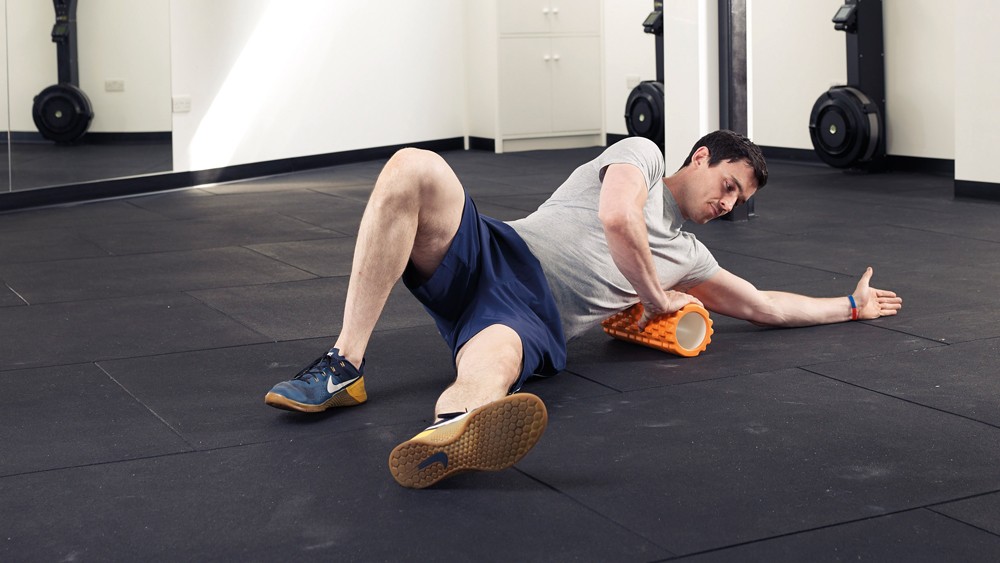
What Exactly is a Foam Roller, Anyway?
At its core, a foam roller is a cylindrical tool used for self-myofascial release (SMR). Sounds complex, right? Let’s break it down. “Myo” refers to muscle, and “fascia” is the thin, web-like connective tissue that surrounds and supports every muscle, bone, and organ in your body. Think of it like a protective suit that holds everything in place. Over time, due to exercise, stress, poor posture, or even just daily activities, this fascia can become tight, sticky, and form “knots” or “trigger points.” These adhesions can restrict movement, cause pain, and limit your flexibility.
Foam rolling works by applying sustained pressure to these tight areas. As you roll your body over the foam, your body weight helps to gently massage and “iron out” these fascial restrictions. This process helps to increase blood flow to the area, rehydrate the tissues, and signal your nervous system to relax the muscles. Physical therapists and trainers have long incorporated foam rollers into recovery and rehabilitation programs, recognizing their power to improve tissue quality and promote healing without needing a professional massage therapist constantly by your side.
Why a Long Foam Roller? Size Matters for Stability and Scope
While foam rollers come in various sizes, the long foam roller, typically around 36 inches in length, stands out for several compelling reasons, making it an excellent choice, especially for those new to foam rolling.
First and foremost, its length provides unparalleled stability. When you’re rolling out larger muscle groups like your hamstrings or quads, or even performing balance exercises, the extended surface area offers a more secure base than a shorter roller. This stability is crucial for beginners, allowing them to focus on proper technique rather than struggling to maintain balance.
Perhaps the most significant advantage of a long foam roller is its ability to span your entire back when placed perpendicular to your spine. This makes it ideal for addressing tension throughout your thoracic (upper) and lumbar (lower) spine, facilitating gentle spinal mobilization and broad muscle release. Shorter rollers, while portable, often require more advanced technique and can feel less supportive for comprehensive back work. With a long foam roller, you get full-body coverage, making it a truly versatile tool for your entire muscular system.
Unlocking Your Potential: The Benefits of a Long Foam Roller
Incorporating a long foam roller into your routine can revolutionize how your body feels and performs. The benefits extend far beyond just feeling good; they contribute to overall health and athletic longevity.
Increased Flexibility and Range of Motion
By releasing tight fascia and muscle knots, foam rolling helps your muscles lengthen more effectively. This leads to an improved range of motion in your joints, allowing for more fluid and efficient movement in everything from daily tasks to complex athletic maneuvers.
Enhanced Muscle Recovery and Reduced Soreness
Post-workout muscle soreness, often known as Delayed Onset Muscle Soreness (DOMS), can be debilitating. Foam rolling helps to improve blood circulation to fatigued muscles, delivering oxygen and nutrients while flushing out metabolic waste products. This expedited recovery process means you bounce back faster and are ready for your next session.
Improved Blood Circulation
The pressure applied during foam rolling acts like a deep tissue massage, stimulating blood flow to the targeted areas. Better circulation means healthier, more pliable tissues and a more efficient delivery system for all the good stuff your muscles need.
Alleviating Muscle Tension and Pain
Whether it’s chronic back pain from sitting, tension headaches, or general muscle tightness, a long foam roller can be incredibly effective at targeting those stubborn, painful spots. It helps release the deep-seated tension that often contributes to ongoing discomfort.
Stress Reduction
There’s a reason massages feel so good—they’re relaxing! The act of mindfully rolling out tight muscles, especially when combined with deep breathing, can be a surprisingly meditative practice. This physical release often translates into mental stress relief, leaving you feeling more calm and centered.
Injury Prevention
Tight, inflexible muscles are more prone to injury. By regularly foam rolling, you maintain muscle suppleness and balance, reducing the risk of strains, pulls, and other common fitness-related mishaps. It’s an investment in your body’s long-term health.
Better Posture
Many postural issues stem from muscle imbalances and tightness. For instance, tight chest muscles can pull your shoulders forward, leading to a hunched posture. A long foam roller can help open up the chest, release tension in the upper back, and strengthen core muscles, all contributing to improved alignment and a more upright stance.
Choosing Your Perfect Companion: Types of Long Foam Rollers
Selecting the right long foam roller can make a big difference in your experience and results. Here are the key characteristics to consider:
Density
The firmness of a foam roller dictates the intensity of the massage.
- Soft (Low-Density): Often white or lighter colors, these are gentle and compress easily. They are perfect for beginners, individuals with very sensitive muscles, or those recovering from acute soreness.
- Medium (Medium-Density): Typically blue or red, these offer a good balance of comfort and effectiveness. They are suitable for most users once they’ve gotten used to the technique.
- Firm (High-Density): Usually black, these rollers provide the most intense, deep-tissue massage. They are ideal for experienced users, athletes with dense muscles, or those targeting particularly stubborn knots. Firm rollers also tend to be more durable.
“As a physical therapist, I often recommend a long foam roller to my clients, especially those new to self-myofascial release. Its length provides unparalleled stability, which is crucial for building confidence and mastering proper technique,” shares Dr. Julianna Lim, a seasoned Sports Physical Therapist.
Surface Texture
The surface of your long foam roller impacts how pressure is distributed.
- Smooth: These rollers have an even surface, providing consistent, gentle pressure. They are excellent for general muscle relaxation and are often recommended for beginners.
- Textured (Gridded, Ridged, or Knobby): Designed to mimic the varying pressure of a massage therapist’s hands, these rollers have patterns that can dig deeper into specific trigger points. They offer a more intense experience and are better for targeting stubborn knots but might be too aggressive for novices.
Material and Construction
Most foam rollers are made from EVA foam, which offers a good balance of durability and comfort. Some may feature a hollow PVC core, which adds to their firmness and helps them retain their shape over time, especially for high-density models.
Get Rolling: A Detailed Guide to Using Your Long Foam Roller
Ready to roll? Remember the golden rules: move slowly, engage your core for support, and breathe deeply. Never roll directly on joints or bones. Focus on the muscle belly.
General Principles for Effective Rolling:
- Slow and Controlled: Glide over the muscle for about an inch per second.
- Find Your Sweet Spot: When you hit a tender area (a trigger point), pause for 20-30 seconds, allowing the pressure to release the tension.
- Breathe: Deep, slow breaths help your muscles relax and tolerate the sensation.
- Adjust Pressure: Use your hands and supporting limbs to increase or decrease the amount of body weight on the roller.
Upper Body
The long foam roller excels at addressing the broad muscle groups of the upper body and back.
Upper Back (Thoracic Spine)
- Sit on the floor with the long foam roller placed horizontally behind your upper back, just below your shoulder blades.
- Lie back, clasp your hands behind your head for neck support, keeping elbows wide.
- Lift your hips slightly, engaging your core, and slowly roll from your mid-back up to the base of your neck. Avoid rolling on your lower back or neck directly.
- If you find a tight spot, pause and take deep breaths.
Lats (Latissimus Dorsi)
- Lie on your side, with the long foam roller placed under your armpit, perpendicular to your body. Extend your bottom arm overhead.
- Support yourself with your top hand and feet. Slowly roll from your armpit down towards your rib cage.
- Target the side of your back, just below your armpit, where the lat muscle connects.
Chest (Pectorals)
- Lie face down on the floor. Place one end of the long foam roller diagonally under your chest, resting on one pectoral muscle.
- Shift your body weight gently, applying pressure to your chest. Slowly roll outwards towards your shoulder. This can help open up tight chest muscles, improving posture.
Lower Body
The long foam roller is perfect for targeting the powerful muscles of your legs and glutes.
Hamstrings
- Sit on the floor with the long foam roller under your thighs. Place both hands on the floor behind you for support.
- Lift your glutes and slowly roll from just above your knees up to your glutes.
- For increased intensity, cross one leg over the other to roll one hamstring at a time.
Quadriceps
- Lie face down with the long foam roller under your quads, just above your knees. Support yourself on your forearms.
- Engage your core and slowly roll from just above your knees up to your hip flexors.
- To target different areas of the quad, slightly rotate your hips inwards or outwards.
Glutes (Gluteal Muscles)
- Sit on the long foam roller, placing it under one glute. Cross the ankle of that side over the opposite knee.
- Lean into the glute you are rolling, supporting yourself with your hands. Slowly roll around the gluteal area, searching for tender spots.
IT Band (Iliotibial Band)
Note: The IT band is a thick band of connective tissue, not a muscle. Rolling directly on it can cause irritation. Instead, focus on the muscles that attach to it: the TFL (tensor fasciae latae) and glutes.
- Lie on your side, with the long foam roller just below your hip bone.
- Support yourself with your hands and the opposite leg. Slowly roll from just below your hip down to your knee, focusing on the outer thigh muscles.
- If it feels too intense, reduce pressure by using your supporting leg more.
Calves
- Sit on the floor with the long foam roller under your calves. You can stack one leg on top of the other for increased pressure.
- Support yourself with your hands and slowly roll from your ankles up to just below your knees.
- Rotate your legs slightly inward and outward to hit all angles of the calf muscle.
Rolling Smarter, Not Harder: Common Mistakes to Avoid
Even with the best intentions, it’s easy to fall into common foam rolling traps. Avoiding these pitfalls will ensure you get the most out of your long foam roller and prevent potential discomfort or injury.
Rolling Too Fast
“Don’t rush the roll! The magic of foam rolling happens when you allow your tissues time to respond to the pressure. Think of it as a slow, deliberate conversation with your muscles, not a speed race,” advises Coach Marcus Thorne, a Certified Strength & Conditioning Specialist. Rapid rolling often means you’re just skimming the surface, missing the deep tissue benefits. Slow down and give your muscles time to relax.
Rolling Directly on Painful Spots or Injuries
When you feel pain, your instinct might be to aggressively roll directly over it. However, pain is often a symptom, not the root cause. Rolling directly on an inflamed or injured area can worsen the problem. Instead, roll the muscles surrounding the painful spot. For example, if your knee hurts, focus on your quads, hamstrings, and glutes.
Spending Too Long on One Spot
While pausing on a trigger point is good, lingering for too long (more than 30-60 seconds) can irritate nerves or bruise tissues. If a knot isn’t releasing after a minute, try moving to an adjacent area or reducing the pressure.
Poor Posture
Foam rolling requires active core engagement and body awareness. Slouching or collapsing your body can reinforce bad posture or put undue stress on your spine. Always maintain a stable core and a neutral spine, as if you’re holding a plank.
Rolling Your Lower Back or Neck Directly
Your lumbar spine (lower back) and neck are delicate areas that don’t respond well to direct, unsupported pressure from a foam roller. Rolling these areas can cause hyperextension or muscle spasms. For lower back tension, focus on the glutes, hip flexors, and piriformis. For neck tension, gently roll your upper back and shoulders, or use a smaller, softer ball for very targeted work on the sides of the neck.
Inconsistent Use
Foam rolling is not a one-time fix. To truly reap the benefits, consistency is key. Just like brushing your teeth, a few minutes of regular foam rolling will yield far better results than sporadic, intense sessions.
Weaving the Roller into Your Routine: When to Foam Roll
The beauty of the long foam roller is its versatility, making it beneficial at different points in your day or workout routine.
- Pre-Workout: Incorporate a few minutes of light foam rolling before your exercise session. This acts as a dynamic warm-up, increasing blood flow to your muscles and improving your range of motion, preparing your body for optimal performance and reducing injury risk.
- Post-Workout: After your training, use the long foam roller to cool down and aid recovery. This helps to release any tension built up during exercise, reduce muscle soreness, and promote quicker healing.
- On Rest Days: Don’t let your roller gather dust on off-days! Foam rolling on rest days is an excellent way to maintain mobility, address any lingering tightness, and keep your fascia healthy. It’s a proactive step towards sustained comfort and flexibility.
Is a Long Foam Roller Right for You?
A long foam roller is a fantastic tool for a wide range of individuals. If you’re an athlete looking to enhance performance and recovery, a desk worker battling chronic stiffness, or simply someone who wants to improve their body’s overall flexibility and reduce daily aches, this tool can be a powerful ally. Beginners, in particular, will appreciate the added stability that a longer roller provides, making it easier to learn and execute proper techniques across various muscle groups.
However, like any self-treatment, it’s not for everyone without caution. If you have severe injuries, certain circulatory conditions, or conditions like osteoporosis, it’s always best to consult with a doctor or physical therapist before incorporating foam rolling into your routine. They can guide you on safe practices and determine if it’s appropriate for your specific needs.
Frequently Asked Questions (FAQ)
Q: How often should I use my long foam roller?
A: For general maintenance and flexibility, aiming for 3-5 times a week is a great start. If you’re targeting specific areas of tightness or soreness, daily short sessions can be very beneficial.
Q: How long should I roll each muscle group?
A: Typically, spend about 30-60 seconds on each muscle group. If you find a particularly tender spot, you can pause on it for an additional 20-30 seconds, allowing the tension to release.
Q: Is it supposed to hurt when I foam roll?
A: You might feel discomfort or a “good pain,” especially on tight areas, but it should never be excruciating or sharp. If you experience intense pain, reduce the pressure or move to a different area. The goal is to release tension, not to cause more pain.
Q: Can a long foam roller help with back pain?
A: Yes, a long foam roller can be highly effective for upper and mid-back pain by releasing muscle tension and improving spinal mobility. However, avoid rolling directly on your lower back. Instead, focus on supporting muscles like the glutes and hip flexors. Always consult a healthcare professional for persistent or severe back pain.
Q: What’s the best density for a beginner’s long foam roller?
A: Beginners typically benefit most from a soft or medium-density long foam roller. These options provide a less intense massage, allowing your body to acclimate to the pressure and develop proper technique without excessive discomfort. You can always progress to a firmer roller as your muscles adapt.
Conclusion
The long foam roller is more than just a piece of fitness equipment; it’s an investment in your well-being, mobility, and overall quality of life. By embracing the principles of self-myofascial release, you gain a powerful tool to manage muscle tension, accelerate recovery, and improve your flexibility. Its inherent stability and ability to cover large areas of the body, especially your back, make it an indispensable asset for anyone committed to moving better and feeling fantastic. So, take a deep breath, grab your long foam roller, and embrace the journey to a more mobile, pain-free you. Your body will thank you for it!