Have you ever found yourself yearning for relief from lingering muscle soreness, persistent stiffness, or simply wanting a kinder way to start your fitness journey? Perhaps the thought of a “deep tissue massage” makes your muscles clench already. If so, let me introduce you to a true game-changer in the world of self-care: the Low Density Foam Roller. This versatile tool isn’t just another piece of exercise equipment; it’s your personal guide to gentle self-massage and effective muscle relief, specially designed for beginners, those with sensitive muscles, or anyone on a path to recovery.
What Exactly is a Foam Roller?
At its core, a foam roller is a lightweight, cylindrical tube of elastomeric foam designed for self-myofascial release, often abbreviated as SMR. Think of it as your own personal masseuse, available whenever and wherever you need it. The process involves placing the roller between your body and the ground, then slowly rolling back and forth, using your body weight to apply pressure to specific muscle groups.
This self-massage technique helps to release tension in your muscles, ease out those stubborn “knots” or trigger points (also known as myofascial adhesions), and improve circulation. By bringing fresh blood and nutrients to the tissues, foam rolling aids in faster recovery, increases flexibility, and can significantly reduce overall muscle soreness. It’s a foundational practice that has been embraced by athletes and everyday wellness enthusiasts for decades, proving that sometimes, the simplest tools yield the most profound benefits.
Unpacking the Different Types of Foam Rollers
When you delve into the world of foam rollers, you’ll quickly discover a spectrum of options, primarily differentiated by their density and surface texture. You’ll find everything from ultra-soft to rock-hard, and smooth surfaces to those with aggressive knobs and ridges. This variety caters to diverse needs and preferences.
At one end of this spectrum is the low density foam roller. These rollers are the softest and lightest available, often feeling quite pliable or “squishy” to the touch. They typically come in lighter colors, such as white or blue, though color coding can vary by brand. Made from softer EVA or EPE foam, a low density foam roller offers a gentle compression, providing a mild yet effective form of self-massage. While highly beneficial, it’s worth noting that due to their softer nature, these rollers might show signs of indentation or deformation over extensive use, signaling it might be time for a replacement.
In contrast, high-density rollers are much firmer, designed for more intense, deep-tissue work favored by experienced users or athletes who can tolerate significant pressure. Textured rollers, with their ridges and knobs, are crafted to “dig into” specific trigger points, providing an even more targeted and aggressive massage.
The Unique Benefits of a Low Density Foam Roller
Choosing the right foam roller density is crucial for a comfortable and effective experience. For many, especially those new to SMR or with particular physical considerations, the low density foam roller offers a wealth of unique advantages:
Gentle Introduction to Self-Myofascial Release
If you’re a beginner or new to foam rolling, a low density foam roller is your perfect starting point. Its softer nature provides a gentle introduction to the technique, allowing you to learn proper form and body positioning without the overwhelming discomfort that firmer rollers can sometimes cause. It’s like easing into a warm bath instead of jumping into an icy plunge.
Relief for Sensitive Muscles & Soreness
Are your muscles particularly sensitive after a tough workout? Or perhaps you’re dealing with chronic soreness, heightened tenderness from an injury, or conditions like fibromyalgia? A low density foam roller is expertly crafted to provide gentle compression, making it ideal for delicate tissues. It allows you to address muscle tension and knots without triggering excessive pain, transforming what could be a grimacing experience into a soothing one. As Dr. Elena Petrova, a renowned sports physiotherapist, often advises, “For many of my clients, especially those with initial muscle sensitivity, starting with a low density foam roller is key. It allows their nervous system to relax and accept the process, rather than resisting it due to intense discomfort.”
Ideal for Rehabilitation & Seniors
For individuals undergoing physical therapy or older adults who require a more delicate approach to muscle compression, the low density foam roller is an invaluable tool. It supports myofascial release, trigger point therapy, and general muscle massage without the intensity of firmer rollers. This gentle pressure helps improve mobility and aids recovery, making it a staple in many rehabilitation settings.
Enhanced Comfort & Accessibility
Certain foam rolling exercises, especially those involving the spine, can be uncomfortable with a high-density roller due to excessive pressure on bony prominences. A low density foam roller excels in these situations, providing enough support to engage core muscles and facilitate movements like thoracic extensions or “snow angels” without spinal discomfort. This added comfort means you’re more likely to stick with your routine and reap the benefits.
Improved Flexibility & Blood Flow
Like all foam rollers, the low density variant significantly contributes to increasing your range of motion and boosting blood flow. By gently massaging the fascia and muscle tissues, it helps break down adhesions and loosen tight areas, promoting better nutrient delivery and waste removal. This leads to reduced stiffness and enhanced overall physical performance.
Choosing Your Perfect Match: When to Opt for Low Density
Knowing when a low density foam roller is right for you is all about listening to your body and understanding your goals.
- You’re a Beginner: If you’re just starting your foam rolling journey, this is your go-to. It’s a forgiving tool that builds confidence.
- You Have Sensitive Muscles: Post-workout soreness, chronic pain, or just a lower pain tolerance? The gentle pressure is perfect for you.
- You’re Recovering from Injury or Surgery: Always consult a professional, but a low density foam roller often plays a crucial role in the initial stages of recovery, offering therapeutic relief.
- You’re a Senior: For maintaining mobility and easing daily aches without aggressive pressure, this is an excellent choice.
- You Prefer a Milder Massage: Not everyone wants an intense deep tissue session every time. Sometimes, gentle relief is precisely what your body craves.
It’s also worth noting that a low density foam roller can be a stepping stone. As your body adapts and your tolerance for pressure increases, you might gradually progress to a medium or even high-density roller for more intense work. For beginners, a smooth surface is usually recommended, as textured rollers can be too aggressive initially. Most low density foam rollers typically have smooth surfaces. In terms of size, long rollers (around 36 inches) are versatile for full-body work, while shorter ones (12-18 inches) are great for targeted areas and portability.
Mastering the Roll: Effective Low Density Foam Roller Exercises
Ready to give your muscles some gentle love? Here’s how to incorporate your low density foam roller into your routine. Remember, slow and controlled movements are key, always breathe deeply, and engage your core for stability.
Upper Back & Thoracic Spine Release
This move is fantastic for counteracting the effects of prolonged sitting or poor posture.
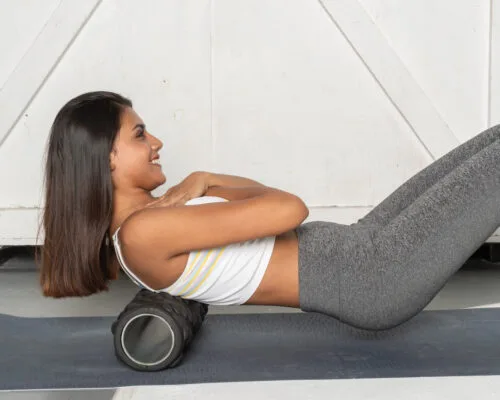
- How-to: Lie on your back with the foam roller positioned horizontally underneath your shoulder blades. Your knees should be bent, feet flat on the floor, and hands gently supporting your head or crossed over your chest. Lift your hips slightly and slowly roll up and down between your lower neck and mid-back. For an added chest opener, lie with the roller along the length of your spine and perform “snow angel” movements with your arms.
- Why: It helps decompress your spine, improves thoracic mobility, and opens up your chest and shoulders, which often become tight from computer work.
Quad & Hip Flexor Gentle Roll
Tight quads and hip flexors are common culprits for lower back pain.
- How-to: Lie face down in a forearm plank position, with the low density foam roller placed under your quads or hip flexors (near the front of your hip). Gently roll from just above your knees up towards your hips. Adjust the roller’s position slightly to target different areas.
- Why: This helps release tension in the large muscles of the front of your thighs and hips, often overworked from sitting or exercise.
Calf & Hamstring Soothing
Relieve tension in your lower legs, particularly beneficial for walkers and runners.
- How-to: Sit on the ground with your legs extended. Place the foam roller under your calves. Lift your body slightly off the ground by pressing your hands into the floor, and slowly roll from your ankles to just below your knees. For hamstrings, position the roller under your upper thighs and roll down towards your knees.
- Why: It aids in recovery, reduces post-exercise soreness, and improves flexibility in the back of your legs.
Glute & Piriformis Comfort
Targeting the glutes can alleviate discomfort that often radiates down the leg.
- How-to: Sit on the foam roller. Cross one ankle over the opposite knee (figure-four position). Lean slightly onto the glute of the crossed leg and gently roll back and forth over the gluteal area, focusing on any tender spots.
- Why: Addresses common tightness in the glutes and piriformis muscle, which can contribute to hip and lower back issues.
Lateral Muscle Ease (Lats & Side Quads)
Improve posture and alleviate side-body tension.
- How-to: For lats, lie on your side at a 45-degree angle with the roller positioned under your armpit. Use your free hand for support and gently roll from your armpit down towards your mid-back. For side quads, start in a forearm side plank position, with the roller just above your knee on your outer thigh, and roll up towards your hip, focusing on the muscles surrounding the IT band.
- Why: Releasing tension in your lats can significantly improve shoulder mobility and posture, while addressing outer thigh tightness can relieve pressure on the IT band.
Tips for a Smooth Roll & Avoiding Common Pitfalls
To maximize the benefits of your low density foam roller and ensure a safe experience, keep these pointers in mind:
Do’s:
- Listen to Your Body: Sensation is good, indicating you’re working the muscle. However, sharp, radiating pain or tingling means you should stop immediately. “The goal is release, not agony,” says Dr. Petrova.
- Hydrate: Proper hydration supports muscle elasticity and recovery, enhancing the effects of foam rolling.
- Consistency is Key: Regular, gentle rolling, even for just 5-10 minutes a few times a week, will yield better long-term results than sporadic, intense sessions.
- Combine with Stretching: Following your foam rolling session with static stretches for the same muscle groups can amplify flexibility and range of motion benefits.
- Roll Slowly: Don’t rush! Slow, deliberate movements allow your muscles to relax and the pressure to penetrate effectively.
Don’ts:
- Don’t Roll Directly on Joints or Bones: The foam roller is for soft tissue (muscles and fascia), not joints. Avoid rolling directly over your knees, elbows, or spine’s bony prominences (focus on muscles alongside the spine).
- Don’t Hold Your Breath: Maintain steady, deep breathing throughout your session. Holding your breath can increase tension, counteracting the purpose of the roll.
- Don’t Try to Power Through Intense Pain: If a spot is excruciatingly painful, lighten the pressure or move to a different area. Your body will naturally tense up if the pain is too high, making the rolling ineffective.
- Don’t Spend Too Long on One Spot Initially: While holding on a tender spot for 30-90 seconds can be beneficial, prolonged pressure (more than 2 minutes) on a single trigger point, especially when you’re new to it, can sometimes cause bruising or irritation.
Integrating the Low Density Foam Roller into Your Routine
The beauty of the low density foam roller lies in its versatility. You can integrate it seamlessly into various parts of your daily or weekly routine:
- Before Workouts (Warm-up): A quick, dynamic roll (30 seconds or less per muscle group) can help warm up your muscles, improve blood flow, and prepare your body for exercise.
- After Workouts (Recovery): This is where many find profound relief. Longer, more sustained rolling (up to 2 minutes per muscle group) can help reduce post-exercise soreness and aid muscle repair.
- On Rest Days: Use it to maintain flexibility, address any lingering tightness, or simply enjoy a relaxing self-massage.
- Daily Maintenance: For those who sit for long hours, a short session targeting the hips, back, and chest can prevent stiffness and improve posture. Aim for at least three times per week for consistent benefits.
Who Should Embrace & Who Should Approach with Caution
The low density foam roller is a fantastic tool, but it’s important to know who will benefit most and when to exercise caution.
Embrace the Low Density Foam Roller If You Are:
- A beginner to foam rolling.
- Someone with sensitive muscles or low pain tolerance.
- Recovering from an injury or surgery (always with professional medical guidance).
- A senior looking for gentle ways to improve mobility and reduce stiffness.
- Experiencing chronic mild muscle pain or tension.
- Seeking a relaxing, less intense form of self-massage.
Approach with Caution (or Consult a Professional) If You Have:
- Acute or severe injuries, especially muscle tears or bone fractures.
- Severe osteoporosis or other bone-density conditions.
- Blood clots or circulation issues.
- Open wounds or skin infections in the area you wish to roll.
- Certain neurological conditions.
Always prioritize comfort and safety. If you experience sharp, radiating pain, numbness, or tingling during foam rolling, stop immediately and consult a healthcare professional.
Frequently Asked Questions
Q: How often should I use a low density foam roller?
A: For best results, aim for 2-3 times per week, or even daily for short periods if you have specific areas of tension. Beginners should start with shorter, less frequent sessions and gradually increase as their body adapts.
Q: Can a low density foam roller help with back pain?
A: Yes, it can be very effective for relieving tension in the upper and mid-back (thoracic spine) by improving mobility and posture. However, avoid rolling directly on your lower back or any bony parts of your spine; focus on the muscles alongside it.
Q: Is it normal for foam rolling to hurt?
A: You should feel a sensation of pressure or discomfort, especially on tight spots, but it should be a “good pain” that feels like a deep massage. If you’re grimacing, holding your breath, or experiencing sharp, radiating pain, the pressure is likely too intense. Try adjusting your position, reducing body weight on the roller, or using an even softer surface.
Q: How long should I spend on each muscle group?
A: For warm-ups, 30 seconds or less per muscle group is usually sufficient. For post-workout recovery or addressing specific trigger points, aim for 30-90 seconds, up to 2 minutes on very tender spots, moving slowly and deliberately.
Q: When should I consider moving to a firmer foam roller?
A: You might consider a firmer roller when you can comfortably roll over most muscle groups with your low density foam roller without significant discomfort, and you feel you need deeper pressure to achieve further release in particularly stubborn areas. Many individuals find a medium-density roller to be a great next step, offering a balance between comfort and deeper massage.
Q: How do I clean my low density foam roller?
A: Most foam rollers are easy to clean. Simply wipe it down with a damp cloth and a mild soap solution or an antibacterial wipe after each use, especially if you sweat during your sessions. Allow it to air dry completely before storing.
Unlock Your Body’s Potential with Gentle Relief
The low density foam roller isn’t just a piece of equipment; it’s an invitation to a more comfortable, flexible, and pain-free life. It empowers you to take control of your muscle health, offering a gentle yet profound path to self-myofascial release. Whether you’re a newcomer to fitness, navigating recovery, or simply seeking a soothing touch for everyday aches, this versatile tool is your ally.
Embrace the softer side of muscle care. Experience enhanced mobility, reduced soreness, and a renewed sense of well-being that only gentle, consistent effort can bring. Ready to experience the soothing touch and unlock your body’s full potential? Your journey to feeling better starts with the low density foam roller.