Are you tired of nagging muscle soreness, persistent stiffness, or feeling like your body just isn’t moving as freely as it should? Whether you’re an athlete pushing your limits, a desk worker battling postural woes, or simply someone seeking better mobility and recovery, the Optp Foam Roller could be the game-changer you need. It’s more than just a piece of foam; it’s a versatile tool designed to unlock your body’s potential, helping you move with greater ease, reduce discomfort, and enhance your overall well-being.
What is an OPTP Foam Roller and Why Does it Stand Out?
At its core, a foam roller is a self-massage tool used for myofascial release, a technique that helps alleviate tension and tightness in your muscles and the fascia surrounding them. But not all foam rollers are created equal. OPTP (Orthopedic Physical Therapy Products) has carved out a reputation for producing professional-grade foam rollers known for their exceptional durability and effectiveness. They are constructed from highly durable EVA foam using a closed-cell, heat-molded technology that allows them to withstand heavy, repeated use, whether in a busy physical therapy clinic, a demanding gym environment, or the comfort of your own home. This commitment to quality means your OPTP foam roller will maintain its shape and firmness even after countless sessions, providing consistent support and therapeutic benefit.
Demystifying OPTP Foam Rollers: Types and Materials
Understanding the different types of OPTP foam rollers is key to choosing the right tool for your specific needs. OPTP offers a range of densities, shapes, and sizes, each designed with unique applications in mind.
Exploring Densities: Finding Your Perfect Pressure
- Soft Density (e.g., PRO-ROLLER Soft Pink): If you’re new to foam rolling, have sensitive areas, or require a gentler approach, the soft density roller is your best friend. It offers comfortable compression, making it ideal for soothing tight muscles without excessive discomfort. This density is excellent for targeting more delicate areas like the neck or spine (with proper guidance) and can be especially beneficial for individuals seeking gentle spinal exercises or increased comfort during balance and core work.
- Standard Density (e.g., PRO-ROLLER Standard Blue): This is your all-purpose, versatile roller with a medium firmness. It strikes a perfect balance, providing effective myofascial release and muscle stimulation without being overly aggressive. It’s suitable for a wide range of uses, from general massage and stretching to fitness, Pilates, and yoga.
- Firm Density (e.g., AXIS Black Firm): For those who need a deeper, more intense tissue release, the firm density roller is designed to deliver. It’s the highest and firmest density available from OPTP, specifically crafted to tackle stubborn muscle adhesions and trigger points. Professionals often recommend it for targeting tough areas like the iliotibial band (IT band), piriformis, hamstrings, or quadriceps, providing profound relief for advanced users.
Shapes and Sizes: Tailored for Your Body
OPTP foam rollers come in various dimensions and unique designs to cater to diverse needs:
- Full-Size (36″ x 6″): This is the most common size, offering ample length for full back rolls, two-leg hamstring work, and broad support for users of all skill levels.
- Portable (18″ x 6″): Shorter and more compact, this size is perfect for travel, gym bags, or targeting smaller areas with precision.
- Half-Round (36″ x 3″): Featuring one flat side and one rounded side, this versatile roller is excellent for balance and stability exercises, Pilates, yoga, and physical therapy, providing a more stable base when needed.
- Dual Foam Smart-Roller: A truly innovative ‘two-in-one’ design, this roller has both a rounder side that allows for increased movement and a flatter side that decreases movement and provides enhanced stability. It’s particularly useful for balance, strengthening, and body awareness exercises, and even complements specific physical therapy methods like The Meeks Method for individuals with osteoporosis.
The Core Material: Durable EVA Foam
Regardless of density or shape, all OPTP foam rollers are crafted from durable EVA foam with a closed-cell, heat-molded construction. This material choice ensures that the rollers are not only resilient and long-lasting but also easy to clean with a simple wet cloth and mild detergent, making them hygienic for repeated use.
Unlocking Your Body’s Potential: Benefits of Using an OPTP Foam Roller
Integrating an OPTP foam roller into your routine can revolutionize how you feel and perform. The benefits extend far beyond just temporary relief:
Enhanced Muscle Recovery & Pain Relief
One of the primary advantages of foam rolling is its ability to perform self-myofascial release. By applying pressure to tight muscles and fascia, you can release tension, break up adhesions, and increase blood flow to the area. This helps to soothe sore muscles, reduce post-workout stiffness, and accelerate recovery. Regularly rolling out trigger points can significantly reduce chronic pain and improve overall muscle function.
Improved Flexibility & Range of Motion
Stiffness and limited movement can hinder your daily activities and athletic performance. Foam rolling helps elongate tight muscles and connective tissues, gradually increasing your flexibility and range of motion. This can lead to better posture, more efficient movement patterns, and a reduced risk of injury.
Boosted Performance & Core Stability
For athletes and fitness enthusiasts, an OPTP foam roller is an invaluable performance tool. It can be incorporated into warm-ups to prepare muscles for activity and into cool-downs to aid recovery. Beyond that, many exercises leverage the roller to challenge and strengthen your core. Disciplines like Pilates and yoga frequently utilize foam rollers to increase core strength, improve balance, enhance stability, and develop a deeper sense of body awareness, also known as proprioception.
Support for Physical Therapy & Rehabilitation
Many physical therapists and rehabilitation specialists recommend OPTP foam rollers due to their professional quality and varied densities. They are excellent aids in rehabilitation, helping patients regain mobility, reduce pain, and restore proper movement patterns. The unique Dual Foam Smart-Roller, for instance, is specifically designed to assist with balance training and therapeutic exercises, particularly for those with conditions like osteoporosis.
Exceptional Durability
A standout feature of OPTP rollers is their robust construction. They are built to “outperform and outlast store model foam rollers,” made from high-quality materials that prevent breakdown even with heavy use. This means you’re investing in a tool that will provide consistent support and effectiveness for years to come.
Your Personal Rolling Session: A Detailed Guide to Using Your OPTP Foam Roller
Ready to start rolling? Here’s how to incorporate your OPTP foam roller effectively, focusing on key muscle groups. Remember, slow and controlled movements are crucial. Breathe deeply throughout each exercise, and if you find a particularly tender spot, hold pressure on it for 30-60 seconds, or until the intensity subsides, without rolling directly on joints or bones.
How do you roll out your upper back and shoulders?
To target your upper back, place the OPTP foam roller horizontally at the base of your shoulder blades. Support your head with your hands and lift your hips slightly. Slowly roll up and down from the base of your shoulder blades to just below your neck. For shoulder relief, turn to your side, placing the roller directly under the top of your shoulder, and gently roll back and forth. This helps release tension in the rhomboids and lats.
What are effective ways to target your glutes and hips?
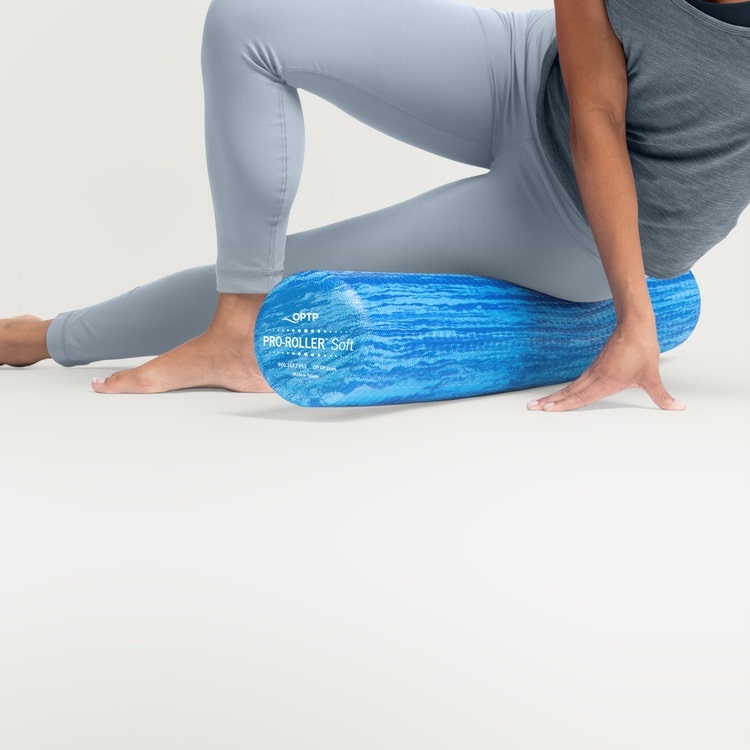
Sit on the roller with one leg crossed over the other, placing your weight onto the hip of the bent leg. Use your hands for support and slowly roll back and forth across your glute and hip rotator muscles. This can be incredibly effective for releasing tightness in the piriformis and glute medius, often contributors to hip discomfort.
Can an OPTP foam roller help your hamstrings and quads?
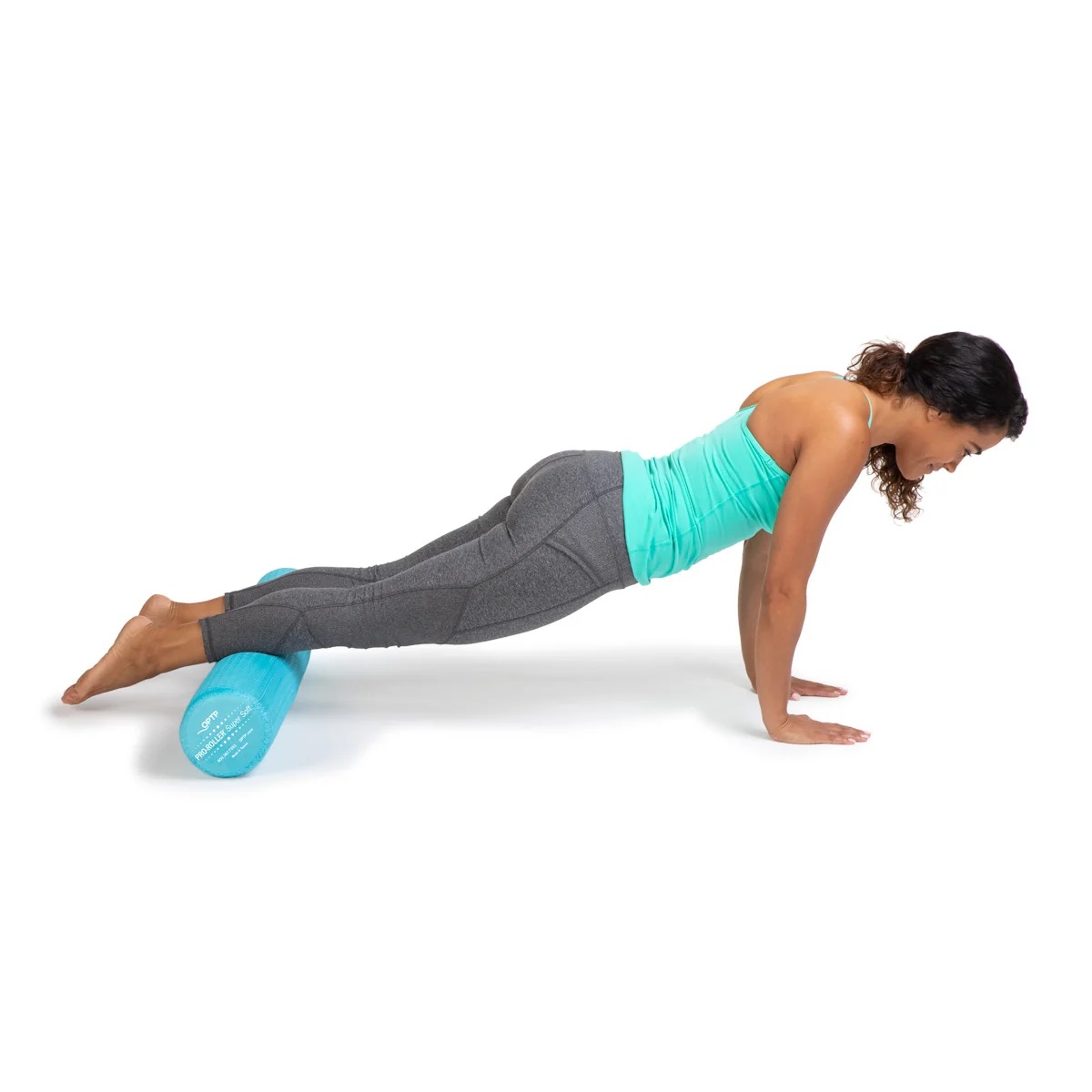
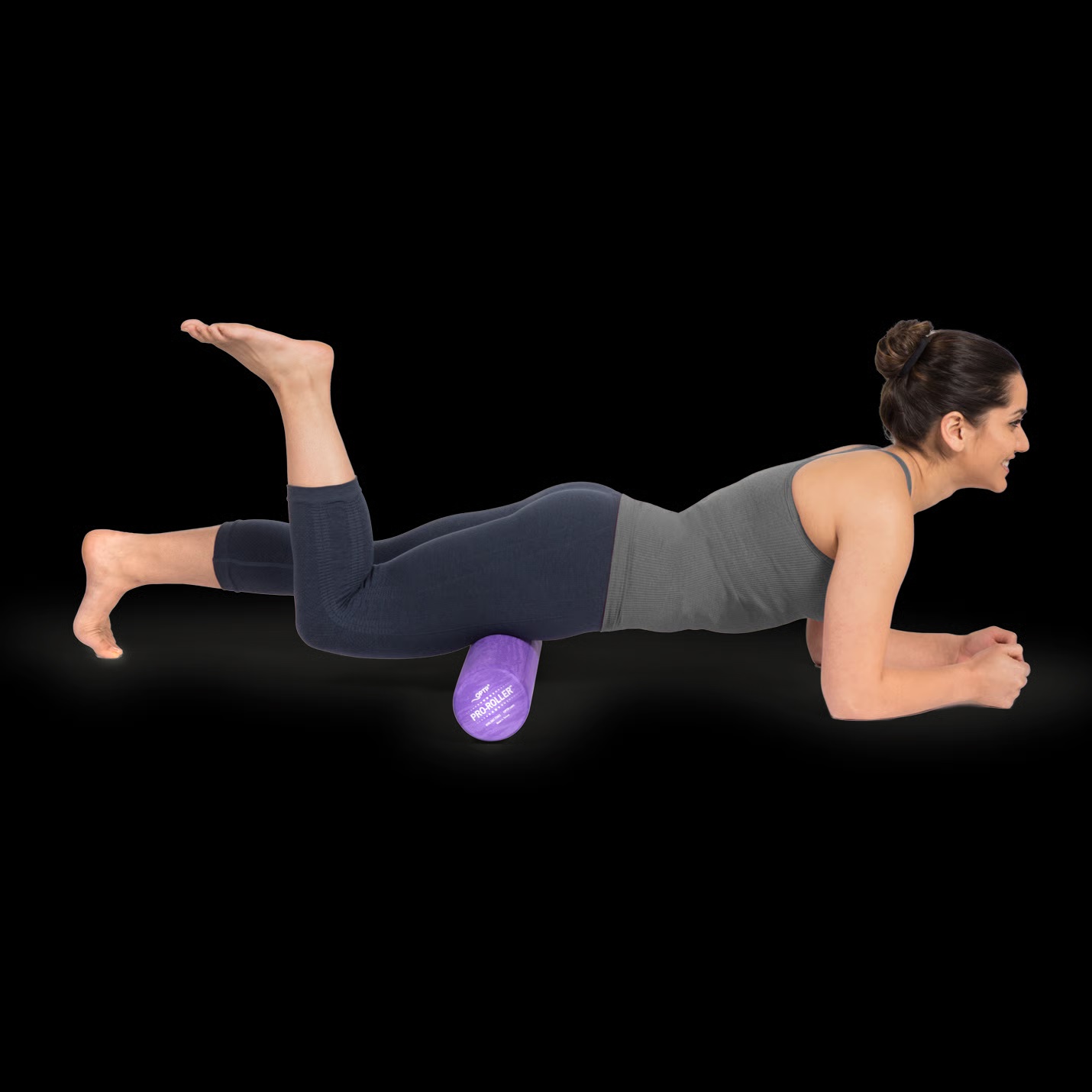
Yes, absolutely! For your hamstrings, sit on the roller with it positioned under your thighs. Use your hands for support and roll from just above your knees to just below your glutes. For quadriceps, lie face down, placing the roller under your quads, and roll from your hips down to just above your knees. These exercises help improve flexibility and reduce tightness in these large muscle groups.
How to address the IT band and calves gently?
The IT band can be a sensitive area, so an OPTP PRO-ROLLER Soft can be particularly beneficial here. Lie on your side, placing the roller under your outer thigh (IT band), and use your hands and other leg for support. Gently roll from your hip to just above your knee. For calves, sit with the roller under your calves, then lift your hips and roll back and forth, turning your feet inward and outward to target different parts of the muscle.
Core strengthening with the OPTP foam roller: Is it possible?
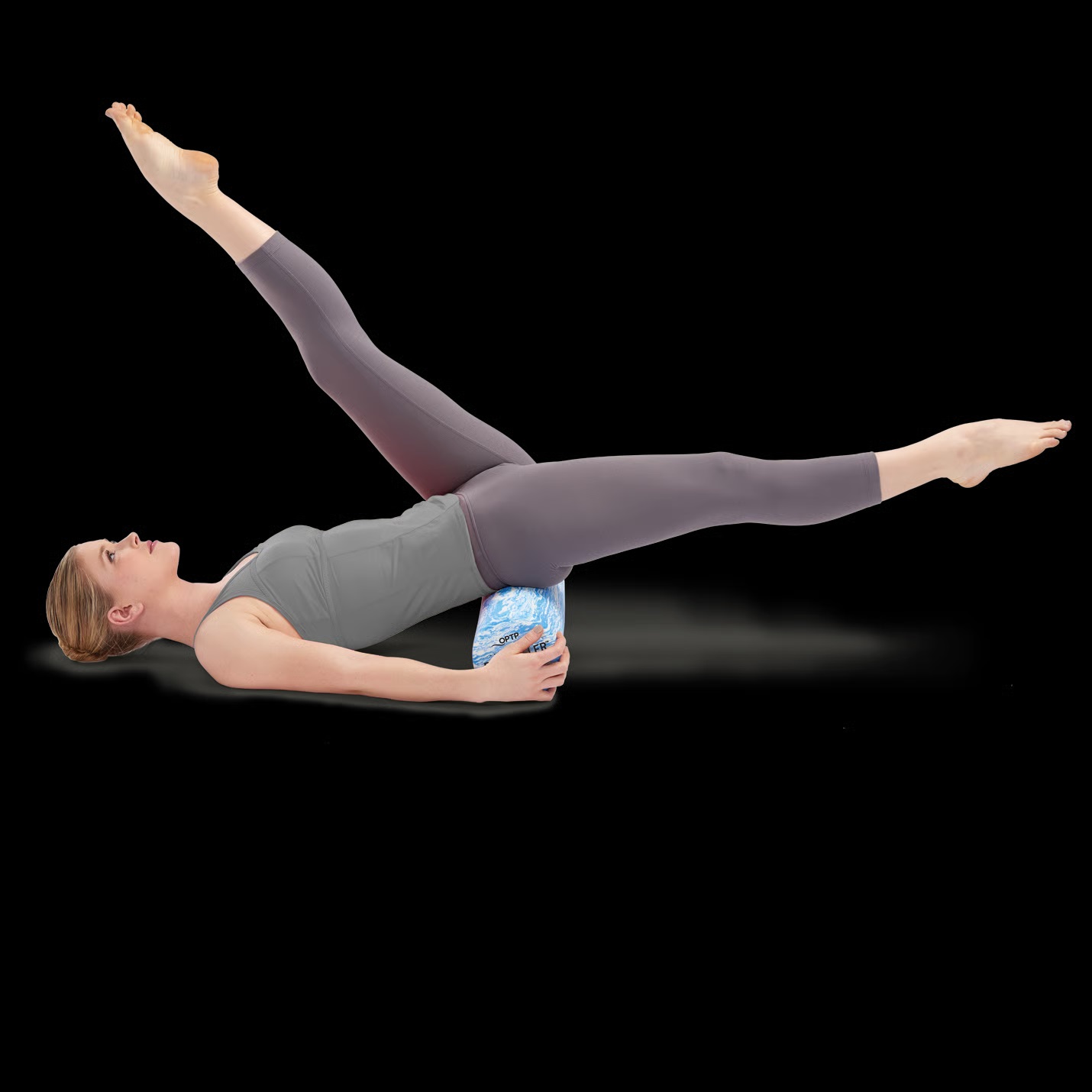
Absolutely! The roller can be an excellent tool for challenging your core stability. Try laying on the roller vertically, from your tailbone to your head. Perform gentle crunches, lifting one leg at a time, or even side planks with your feet on the roller for an advanced challenge. This instability forces your core muscles to work harder, improving strength and balance.
Common Pitfalls and Smart Tips for OPTP Foam Roller Use
To get the most out of your OPTP foam roller and avoid any setbacks, keep these tips and common mistakes in mind:
Smart Tips for Optimal Results
- Start Slow and Listen: Especially if you’re new to foam rolling, begin with a softer density roller and gentle pressure. Your body will tell you what feels right.
- Breathe Deeply: Deep, controlled breathing helps relax your muscles and allows for a more effective release of tension.
- Consistency is Key: Regular, even short, foam rolling sessions will yield better results than infrequent, intense ones. Aim for 5-10 minutes most days.
- Hydrate: Proper hydration supports muscle health and elasticity, making foam rolling more effective.
- Warm Up First: While foam rolling can be part of a warm-up, it’s best to do a few minutes of light cardio before diving into deep tissue work.
Common Mistakes to Avoid
- Rolling Too Fast: Rushing through the movements prevents your muscles from having enough time to respond and release tension.
- Holding Your Breath: This tenses your body, counteracting the purpose of foam rolling.
- Direct Pressure on Joints or Bones: Always roll on muscle tissue, avoiding direct contact with bones or joints like your knees, elbows, or directly on your spine (unless specifically designed for it, like the Smart-Roller for certain spinal exercises under guidance).
- Using the Wrong Density: A roller that’s too firm can cause bruising or excessive pain, while one that’s too soft might not provide enough pressure to be effective for deep knots.
- Ignoring Pain Signals: While some discomfort is normal during foam rolling, sharp, intense, or shooting pain is a sign to stop or adjust your position. “No pain, no gain” doesn’t apply here.
Integrating Your OPTP Foam Roller into Your Routine
An OPTP foam roller isn’t just for emergencies; it’s a versatile tool that can seamlessly integrate into various parts of your wellness routine:
- Before Workouts: Use it for a dynamic warm-up to increase blood flow, improve tissue elasticity, and prepare your muscles for activity.
- After Workouts: Incorporate it into your cool-down to aid muscle recovery, reduce soreness, and promote flexibility after strenuous exercise.
- On Rest Days: Even when you’re not hitting the gym, a foam rolling session can be excellent for maintaining mobility, addressing everyday tightness, and improving posture.
- For Stress Relief: The gentle pressure and mindful movement of foam rolling can be a fantastic way to unwind, release physical tension, and reduce stress after a long day.
- Posture Improvement: Regularly rolling out your chest, upper back, and hip flexors can help counteract the effects of prolonged sitting, promoting a more upright and open posture.
“Think of your OPTP foam roller as your personal, portable massage therapist,” says Anya Sharma, a seasoned Physical Therapist and movement specialist. “It’s an empowering tool that puts self-care directly into your hands, allowing you to proactively manage muscle health and unlock greater freedom in your movement. Consistent use is key, and understanding the different densities available from OPTF means you can truly customize your recovery.”
Who Should Embrace the OPTP Foam Roller and Who Should Be Cautious?
The OPTP foam roller offers immense benefits for a wide audience, but like any therapeutic tool, it’s essential to understand who can safely use it and when professional advice is warranted.
Who Should Use It:
- Athletes and Fitness Enthusiasts: For enhanced warm-ups, accelerated recovery, and addressing sport-specific muscle imbalances.
- Individuals with Muscle Soreness or Tightness: Anyone experiencing general muscle stiffness from daily activities, work, or exercise.
- Those Undergoing Physical Therapy: Often recommended by therapists as a complementary tool to aid rehabilitation and maintain progress at home.
- People Seeking Improved Mobility and Flexibility: To increase range of motion and reduce the feeling of stiffness.
- Anyone Looking to Enhance Core Stability and Balance: Particularly beneficial with the Smart-Roller or for Pilates and yoga practitioners.
Who Should Be Cautious or Consult a Professional:
- Individuals with Severe Injuries: Avoid rolling directly on acute injuries, fractures, or open wounds.
- Those with Certain Medical Conditions: If you have osteoporosis (unless specifically instructed by a professional using tools like the Smart-Roller and The Meeks Method), deep vein thrombosis, advanced diabetes, nerve damage, or other serious health concerns, consult your doctor or physical therapist before using a foam roller.
- Acute Inflammation: Avoid foam rolling areas with significant swelling or inflammation.
- Pregnancy: While some light rolling may be safe, always consult with your healthcare provider during pregnancy.
Frequently Asked Questions About OPTP Foam Rollers
What makes OPTP foam rollers different from others?
OPTP foam rollers stand out due to their professional-grade quality, exceptional durability from heat-molded EVA foam, and a commitment to maintaining their shape even under heavy, repeated use. They offer a specific range of densities and unique designs like the Dual Foam Smart-Roller, tailored for precise therapeutic and performance needs.
Which OPTP roller density is right for me?
The right density depends on your experience level and needs. Soft density is best for beginners and sensitive areas, standard density is a versatile all-rounder, and firm density is for advanced users seeking deep tissue release. The Dual Foam Smart-Roller is ideal for balance and specialized rehab.
How often should I use my OPTP foam roller?
For best results, aim for 5-10 minutes of foam rolling most days of the week, either before or after your workouts, or as part of a daily mobility routine. Consistency is more important than duration or intensity.
Can I use an OPTP foam roller if I have back pain?
Yes, many individuals find relief from back pain using an OPTP foam roller, especially for the upper and middle back. However, avoid rolling directly on your lower back. If you have severe or chronic back pain, consult a healthcare professional to ensure it’s appropriate for your specific condition.
How do I clean my OPTP foam roller?
Cleaning your OPTP foam roller is simple. Its closed-cell EVA foam construction makes it resistant to moisture and easy to sanitize. Just wipe it down with a damp cloth and a mild detergent or a disinfecting wipe after each use.
Reclaim Your Comfort and Movement with OPTP
The OPTP foam roller is more than just an accessory; it’s a powerful investment in your body’s health, recovery, and performance. By understanding its diverse types, unlocking its numerous benefits, and mastering effective techniques, you can take control of your physical well-being. Say goodbye to persistent tightness and hello to a body that moves with greater freedom, strength, and comfort. Start integrating an OPTP foam roller into your routine today and discover a noticeable difference in how you feel and perform. Explore more expert insights and fitness solutions on our website, vcviu.com, to continue your journey toward optimal health.