Ever found yourself battling persistent aches, a stiff back after a long day, or that nagging tension in your neck that just won’t quit? You’ve probably heard of foam rollers, but there’s a unique tool taking the self-care world by storm, offering precision and relief you might not have thought possible: the Peanut Foam Roller. This clever device is designed to tackle those stubborn knots and tight spots with an almost surgical accuracy, making it an essential addition to your recovery toolkit. If you’re ready to dive deeper into effective muscle relief and unlock a new level of comfort and flexibility, you’ve come to the right place.
What is a Peanut Foam Roller?
Imagine two massage balls perfectly fused together with a distinct groove running down the middle. That’s essentially a peanut foam roller! This ingenious design isn’t just for aesthetics; it’s a game-changer for targeted self-myofascial release. Unlike traditional, cylindrical foam rollers that apply broad, even pressure across larger muscle groups, the peanut’s shape is specifically engineered to cradle your spine and neck. This allows it to deliver deep, therapeutic pressure to the muscles that run alongside your vertebrae, known as the erector spinae, without ever pressing directly on the bony spine itself. It’s like having a specialized massage therapist reach those hard-to-get areas, providing relief where a standard roller might fall short.
Why Choose a Peanut Foam Roller? Unveiling Its Benefits
The unique design of the peanut foam roller translates into a multitude of advantages for your body, making it a favorite among athletes, physical therapists, and anyone seeking effective tension relief.
Targeted Muscle Relief
Got a stubborn knot in your upper back that no amount of stretching seems to fix? The peanut foam roller excels at isolating and addressing these specific trouble spots. Its dual-ball structure allows for concentrated pressure on individual muscle groups, digging into trigger points in a way a flat roller simply can’t. This precision can lead to a more effective breakdown of adhesions and scar tissue, promoting faster muscle recovery.
Enhanced Spinal Mobility
Our thoracic spine (mid-back) often suffers from stiffness due to prolonged sitting or poor posture. The peanut foam roller is particularly adept at improving mobility in this crucial area. By cradling the spine and massaging the paraspinal muscles, it helps restore healthy movement and flexibility, allowing your thoracic spine to move more freely. Improved thoracic mobility isn’t just about feeling better; it’s vital for everything from overhead movements to maintaining an upright posture.
Alleviating Neck & Headache Tension
For many, neck tension and headaches go hand-in-hand with desk work or stress. The smaller size of the peanut roller makes it ideal for gently releasing the suboccipital muscles at the base of your skull – a common culprit for tension headaches. By relaxing these muscles, you can experience significant relief from persistent neck pain and even reduce the frequency and intensity of headaches.
Improved Posture & Flexibility
Consistent use of a peanut foam roller can have a profound impact on your overall posture. By releasing tightness in the back, neck, and hips, it helps your body naturally align itself better. As muscles become less restricted, your range of motion increases, leading to greater flexibility in your joints and a more fluid, comfortable movement throughout your day. Better mobility and range of motion also naturally reduce your risk of injury, acting as a preventative measure during your workouts and daily activities.
Faster Recovery & Injury Prevention
Whether you’re an avid runner, a weightlifter, or simply someone looking to feel better, incorporating the peanut foam roller into your routine can accelerate recovery. It helps increase blood flow to muscles, flush out metabolic waste, and reduce post-exercise soreness. Using it as part of your warm-up can increase your range of motion, making your subsequent workout more effective and safer. As a cool-down tool, it aids in muscle repair and flexibility, setting you up for optimal performance the next day.
Choosing Your Perfect Peanut: Types and Materials
Just like traditional foam rollers, peanut foam rollers come in various materials, each offering a slightly different experience.
- EVA Foam: This is the most common material, offering a good balance of firmness and comfort. It’s durable and widely available, making it a great starting point for most users.
- Cork: Cork peanut rollers, like the TBC cork peanut roller, are often firmer, providing a deeper, more intense massage. They are also an eco-friendly option, known for their natural antimicrobial properties.
- Rubber/Silicone: These options offer a very dense, often slightly grippier surface, allowing for highly targeted and intense pressure. Products like the RAD Roller Peanut fall into this category.
- DIY Option: Believe it or not, you can even create a makeshift peanut roller by taping two tennis or lacrosse balls together! This is a fantastic way to experiment with the shape before investing in a dedicated tool.
|
Our Picks for the Best Foam Roller in 2026
As an Amazon Associate I earn from qualifying purchases.
|
||
| Num | Product | Action |
|---|---|---|
| 1 | Day 1 Fitness High Density Foam Roller – Deep Tissue Muscle Massage & Myofascial Release for Recovery, Physical Therapy, Exercise & Pain Relief – Multiple Sizes & Colors |

|
| 2 | Yes4All High-Density EPP Round Back Roller Foam, Exercise Foam Roller for Yoga, Pilates & Stretching - 12, 18, 24, 36 inch |
|
| 3 | Amazon Basics High Density Foam Roller |
|
| 4 | Foam Roller Set - High Density Back Roller, Muscle Roller Stick,2 Foot Fasciitis Ball, Stretching Strap, Massager Ball for Whole Body Physical Therapy & Exercise, Yoga, Back Pain, Leg, Deep Tissue |
|
| 5 | Amazon Basics High Density Foam Roller |
|
| 6 | TriggerPoint Grid 1.0 Foam Roller - 13\" Multi-Density Massage Roller for Deep Tissue & Muscle Recovery - Relieves Tight, Sore Muscles & Kinks, Improves Mobility & Circulation - Targets Key Body Parts |
|
| 7 | Amazon Basics High Density Foam Roller |
|
| 8 | Amazon Basics High Density Foam Roller |
|
| 9 | 321 Strong Foam Roller - Medium Density Deep Tissue Massager for Muscle Massage and Myofascial Trigger Point Release, with 4K eBook |
|
| 10 | High Density Foam Roller Massager for Deep Tissue Massage of The Back and Leg Muscles - Self Myofascial Release of Painful Trigger Point Muscle Adhesions - 13\" Blue |
|
Mastering the Roll: How to Use Your Peanut Foam Roller for Key Areas
To get the most out of your peanut foam roller, it’s crucial to understand the proper techniques. Remember, slow and steady wins the race here. Move slowly, breathe deeply, and always listen to your body. Never roll directly on bones or joints, and if you encounter a particularly tender spot, hold the pressure for 30-60 seconds, allowing the muscle to release.
For Your Aching Back (Thoracic Spine)
This is where the peanut roller truly shines.
- Positioning: Lie on your back with your knees bent and feet flat on the floor. Place the peanut roller horizontally beneath your upper back, just below your shoulder blades, ensuring your spine rests in the central groove.
- Rolling: Support your head with interlaced hands and gently tuck your chin to keep your neck relaxed. Slowly roll up and down your upper back, moving from your lower ribs towards your neck.
- Targeted Release: When you find a tight or sore spot, pause there. Breathe deeply and allow your body to relax into the pressure for 30-60 seconds. You can also try a small arch and extension movement over the roller to deepen the release.
Releasing Neck and Shoulder Tension
The peanut roller is fantastic for soothing those tight muscles at the base of your skull.
- Positioning: Lie on your back with your legs extended or bent. Place the peanut roller at the very base of your skull, where your head meets your neck, with the spine cradled in the groove.
- Relaxation: Let the weight of your head rest entirely on the roller. Take several deep breaths and relax into the position for 30-60 seconds.
- Gentle Movement: For a subtle massage, slowly nod your head up and down as if saying “yes,” then gently turn your head from side to side as if saying “no.” Keep these movements small and controlled.
- Pro Tip: If the pressure feels too intense, place a thin pillow or towel under your head to slightly reduce the compression.
Soothing Tight Calves
Runners and anyone on their feet often experience tight calves. The peanut roller offers excellent relief.
- Positioning: Sit on the floor with one leg extended. Place the peanut roller under your calf, starting just below the knee.
- Rolling: Use your hands to lift your hips slightly off the ground, placing most of your body weight on the roller. Roll slowly along the length of your calf muscle, moving from just below the knee down towards the ankle. Avoid rolling directly on the Achilles tendon.
- Active Release: When you hit a tender spot, pause. You can then perform slow ankle circles (5 in each direction) or point and flex your foot 10 times to deepen the release.
Easing Hip & Glute Discomfort
Tight hips can affect your entire lower body and even your back.
- Positioning (Hip Flexors): Lie on your stomach with the peanut roller placed horizontally beneath the front of one hip. Support your upper body on your elbows.
- Rolling: Slowly roll back and forth, allowing the roller to apply pressure to your hip flexor muscles. Be mindful to avoid bony areas.
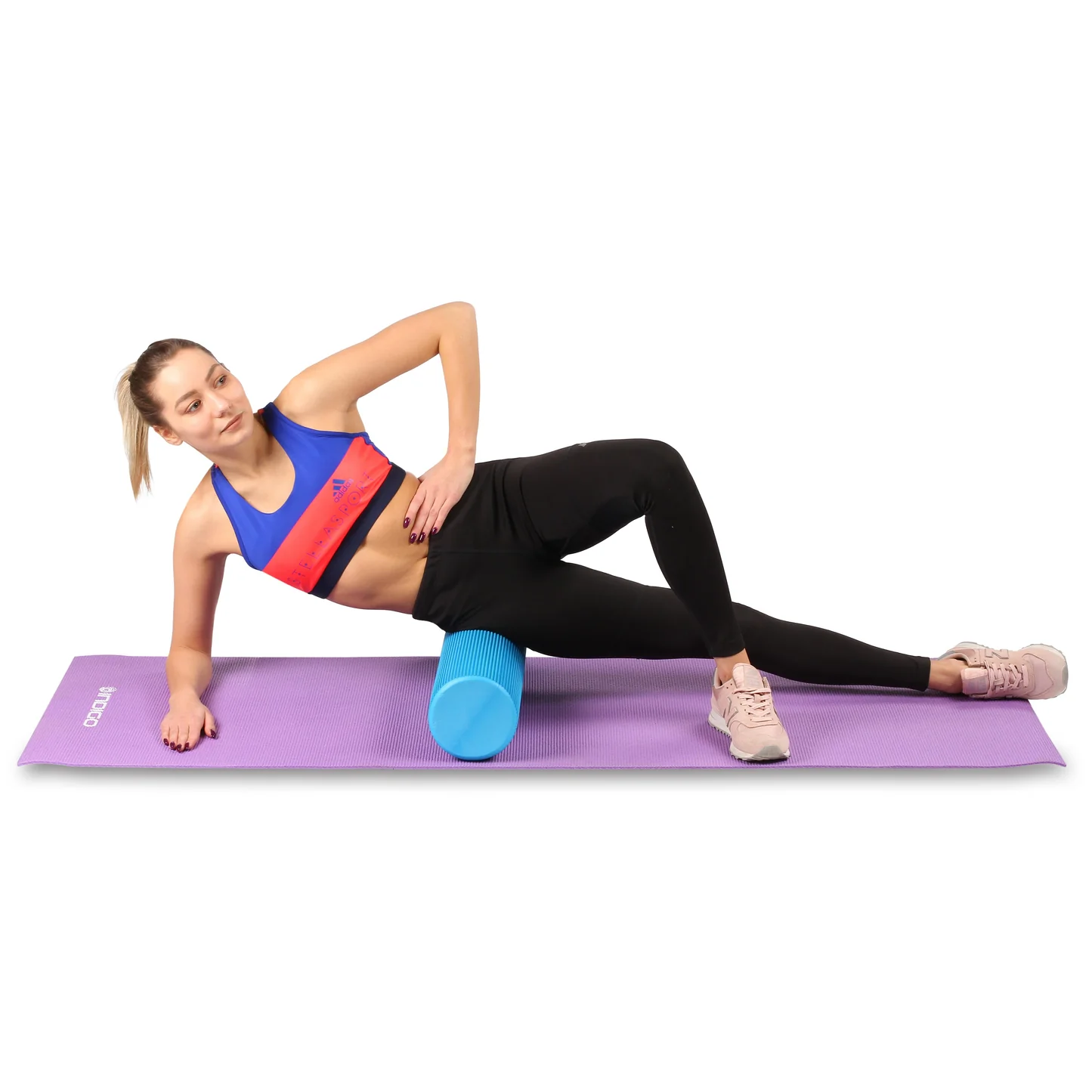
- Positioning (Glutes/TFL): Lie on your side and place the peanut roller under your hip or upper thigh (TFL area). Gently roll over the area, applying pressure to release tension.
Foot & Plantar Fascia Relief
Don’t forget your feet! The peanut roller can offer fantastic relief for tired soles.
- Positioning: Sit comfortably in a chair. Place the peanut roller on the floor beneath one foot.
- Rolling: Apply gentle pressure and roll your foot back and forth over the roller, targeting the arch and heel. This can help ease tension and promote relaxation, especially beneficial after a long day or intense workout.
Common Mistakes to Avoid and Expert Tips
While the peanut foam roller is a fantastic tool, incorrect usage can minimize its benefits or even cause discomfort.
- Rolling Too Fast: Rushing through the movements won’t give your muscles enough time to respond and release. Slow, controlled movements are key.
- Holding Your Breath: When you hit a tender spot, it’s natural to tense up and hold your breath. Instead, breathe deeply and try to relax into the pressure. This signals your nervous system to allow the muscle to release.
- Rolling Directly on Bones or Joints: The central groove is designed to protect your spine, but always be cautious about direct pressure on any bony prominences or joints.
- Ignoring Pain Signals: While some discomfort is normal during myofascial release, sharp or intense pain is a warning sign. Back off the pressure or adjust your position immediately.
- Not Being Consistent: Like any self-care practice, consistency is crucial. Regular short sessions are often more effective than infrequent, long ones.
“Many of my clients find the peanut foam roller incredibly effective because its design really allows them to get into those paraspinal muscles without aggravating the spine itself,” says Dr. Elena Rodriguez, a respected sports physiotherapist. “It’s a powerful tool for improving localized flexibility and relieving stubborn tension, especially for those who spend hours hunched over a desk.”
Integrating the Peanut Foam Roller into Your Routine
Making the peanut foam roller a regular part of your wellness journey can yield remarkable results.
- As a Warm-Up: Spend 5-10 minutes rolling key areas like your back, hips, and calves before your workout. This increases blood flow, boosts range of motion, and preps your muscles for activity, reducing the risk of injury.
- For Cool-Down & Recovery: After a workout, a 10-15 minute session can help alleviate post-exercise soreness, aid in muscle repair, and improve overall flexibility, ensuring you recover faster and feel better for your next session.
- Daily Maintenance & Tension Release: If you work at a desk, commute frequently, or simply carry stress in your body, a quick 5-minute roll on your back or neck can be a lifesaver. It’s a proactive way to manage tension before it builds up.
Is a Peanut Foam Roller Right for You?
While an incredibly versatile tool, it’s important to understand who benefits most and when caution is advised.
Who Benefits Most:
- Desk Workers: Excellent for combating upper back stiffness, neck tension, and poor posture caused by prolonged sitting.
- Athletes & Fitness Enthusiasts: Aids in recovery, improves flexibility, and targets specific muscle groups for enhanced performance and injury prevention.
- Individuals with Chronic Muscle Tension: Especially in the back, neck, and shoulders, where traditional rollers may not be as effective.
- Those Seeking Enhanced Spinal Mobility: Great for unlocking a stiff thoracic spine.
When to Exercise Caution (Consult a Professional):
If you have conditions such as osteoporosis, acute injuries, severe pain, nerve impingement, or certain medical conditions, it’s always best to consult with a doctor or physical therapist before incorporating a peanut foam roller into your routine. They can provide personalized advice and ensure it’s safe and appropriate for your specific needs.
FAQ
Is a peanut foam roller better than a regular foam roller?
Neither is inherently “better”; they serve different purposes. A regular foam roller is excellent for large muscle groups like quads and hamstrings, offering broad pressure. A peanut foam roller excels at precision, cradling the spine and targeting smaller, deeper muscles along the vertebrae or other tricky spots like calves and the base of the skull, providing more localized and often deeper relief in those specific areas.
How long should I use a peanut foam roller for?
For general warm-up or cool-down, 5-10 minutes focusing on various areas is usually sufficient. When targeting a specific muscle knot, hold pressure for 30-60 seconds on that spot, repeating a few times. Don’t spend too long on one area if it’s causing discomfort.
Can I use a peanut foam roller every day?
Yes, many people can use a peanut foam roller daily, especially for managing chronic tension or as part of a warm-up/cool-down routine. However, always listen to your body. If you experience soreness or discomfort, give that area a day or two to recover before rolling again.
What’s the difference between a peanut roller and a lacrosse ball?
A lacrosse ball provides very intense, pinpoint pressure on a single spot, making it excellent for deeply embedded trigger points. A peanut roller, with its dual spheres, distributes pressure across two points simultaneously while protecting the central area (like the spine), offering a broader but still highly targeted massage than a single ball.
Can it help with sciatica?
While a peanut foam roller can help release tight muscles in the glutes and piriformis that might contribute to sciatic-like pain, it’s crucial to consult a healthcare professional for a proper diagnosis and treatment plan for sciatica. Self-treatment should always be approached with caution, especially with nerve-related pain.
Conclusion
The peanut foam roller is far more than just another fitness gadget; it’s a specialized tool that can revolutionize your self-care routine. With its unique ability to target and release tension along the spine and in other hard-to-reach areas, it offers precision relief that can enhance your mobility, reduce pain, improve posture, and accelerate recovery. Whether you’re an athlete pushing your limits or simply seeking respite from daily aches, integrating a peanut foam roller into your life can unlock a newfound sense of freedom and comfort in your body. Give it a try – your muscles will thank you!