Hey there, fitness enthusiast! Ever feel those persistent knots and tightness after a challenging workout, or just from the daily grind? You’re not alone. Many of us chase better performance, increased flexibility, and a body that simply feels good, but often overlook one of the most powerful tools in our arsenal: the foam roller. And when we talk about serious recovery and robust performance, one name consistently stands out for its no-nonsense approach and exceptional quality: the Rogue Foam Roller.
At vcviu.com, we’re dedicated to helping you achieve your peak physical potential, and understanding how to effectively use a Rogue Foam Roller is a game-changer. This isn’t just another piece of equipment; it’s a commitment to your body’s longevity and performance. So, let’s dive deep into what makes the Rogue Foam Roller an indispensable part of any serious athlete’s toolkit.
What Exactly is a Foam Roller and How Did It Become Essential?
Think of a foam roller as your personal, portable massage therapist. At its core, foam rolling is a self-myofascial release (SMR) technique. Myofascia are the tough membranes that wrap, connect, and support your muscles. When these tissues become tight or “knotted” due to stress, overuse, or injury, they can restrict movement, cause pain, and even impair athletic performance. Foam rolling applies sustained pressure to these areas, helping to release tension, improve blood flow, and restore normal function to your muscles and fascia.
The concept isn’t entirely new. Athletes and physical therapists have long understood the benefits of deep tissue massage. The foam roller, however, democratized this practice, making effective self-massage accessible to everyone. From simple PVC pipes to the sophisticated, durable designs we see today, foam rollers have evolved significantly. And leading that evolution, particularly for those who demand the utmost in durability and effectiveness, is the Rogue Foam Roller, a product born from a culture that values strength and resilience above all.
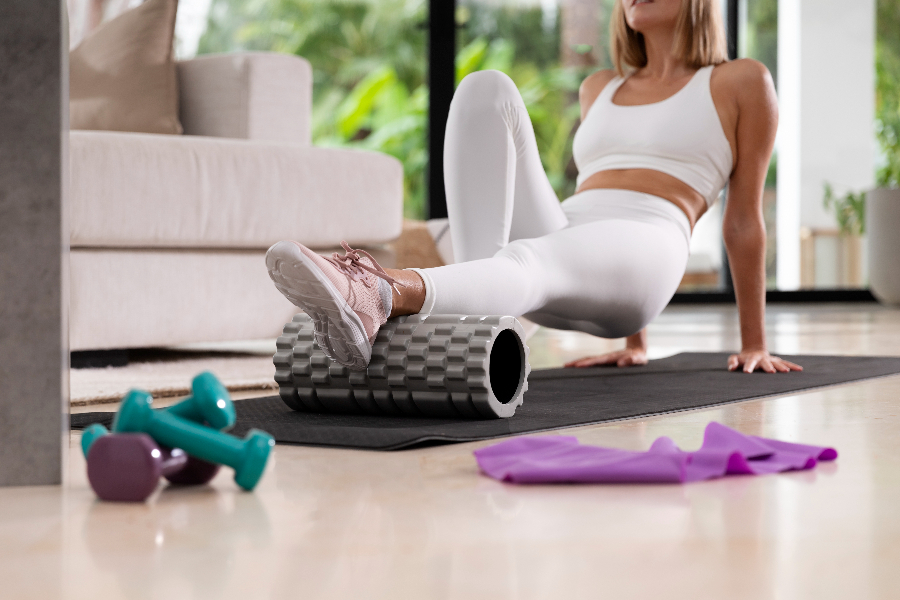
Introducing the Rogue Foam Roller: Built for the Grind
When you hear “Rogue,” you probably think of heavy lifts, intense training, and equipment that can withstand anything. The Rogue Foam Roller lives up to that reputation. Rogue Fitness has carved out its niche by providing gear for athletes who push boundaries, and their foam rollers are no exception. These aren’t your average, flimsy rollers that warp after a few uses; they are engineered for consistent, deep tissue work that truly makes a difference.
A key factor in the Rogue Foam Roller’s superior performance is its material. Manufactured exclusively in the USA, all variations are made from high-quality, expanded polypropylene foam (EPP). This durable material is renowned for its ability to reliably hold its shape, even under constant, heavy use. This means you get consistent, effective deep tissue therapy session after session, helping you recover faster and get back to your training sooner.
Decoding the Different Rogue Foam Roller Types and Materials
Variety is crucial in effective self-myofascial release, and Rogue offers options tailored to different needs and experience levels, all while maintaining their signature high-density EPP foam construction.
High-Density EPP Foam Rollers
The core of Rogue’s foam roller lineup consists of their high-density EPP foam rollers, available in two primary firmness options and lengths:
- Standard HD Foam Roller: This option boasts a density of 1.5 LB per cubic foot and comes in a sleek, all-black finish. It provides firm yet accessible compression, making it an excellent choice for general use, daily mobility work, and individuals newer to foam rolling who are building their tolerance to deeper tissue work.
- Ultra Firm HD Foam Roller: For the seasoned athlete or anyone craving more intense, targeted compression, the Ultra Firm HD Foam Roller is the answer. With a density of 2.8 LB per cubic foot—nearly twice that of the standard—this roller is black with distinctive blue flecks. It’s designed to dig deeper into stubborn knots and adhesions, offering a profoundly effective self-massage. It’s a mobility tool primarily recommended for more experienced users.
Both density options are available in two practical lengths:
- 18-inch (45.7 cm) Rogue Foam Roller: This compact size is perfect for targeting specific muscle groups, travel, or use in smaller spaces. It offers great control for focused work on areas like calves, hamstrings, or shoulders.
- 36-inch (91.4 cm) Rogue Foam Roller: The longer version provides broader coverage, ideal for rolling larger areas like your entire back, glutes, or both hamstrings simultaneously. It offers greater stability for full-body routines.
While Rogue also offers highly specialized “body tempering” tools like the DT Tempering Rollers, which utilize weighted cast-iron for an even more intense approach to mobility, our focus here remains on the versatile and widely applicable EPP foam rollers that serve as the foundation of effective self-myofascial release for most athletes.
Unleashing the Benefits: Why a Rogue Foam Roller is Your Ultimate Recovery Partner
Investing in a Rogue Foam Roller is investing in your body’s overall health and athletic longevity. The benefits extend far beyond just feeling good; they contribute directly to enhanced performance and injury resilience.
Improved Flexibility & Range of Motion
Regular use of your Rogue Foam Roller helps to break down adhesions and scar tissue in your muscles and connective tissues. This release allows your muscles to lengthen more effectively, leading to a noticeable increase in your flexibility and range of motion. Imagine deeper squats, more fluid overhead movements, and a greater capacity for athletic movement.
Reduced Muscle Soreness (DOMS)
Delayed Onset Muscle Soreness (DOMS) is that familiar ache that hits a day or two after a tough workout. Foam rolling can significantly reduce the severity and duration of DOMS by increasing blood flow to the muscles, flushing out metabolic waste products, and promoting faster repair of micro-traumas.
Enhanced Blood Flow & Circulation
The pressure applied by the Rogue Foam Roller acts like a deep tissue massage, stimulating blood flow to the targeted areas. Improved circulation means more oxygen and nutrients reach your muscles, accelerating recovery and preparing them more effectively for your next training session.
Injury Prevention & Rehabilitation Support
By addressing muscle imbalances, improving flexibility, and maintaining healthy tissue, regular foam rolling with your Rogue Foam Roller can play a crucial role in preventing common overuse injuries. For those recovering from injuries, it can also be a vital part of a rehabilitation program, always under the guidance of a healthcare professional.
Stress Reduction & Relaxation
Beyond the physical benefits, the act of foam rolling can be incredibly therapeutic. It forces you to slow down, focus on your breath, and connect with your body. Releasing tension in your muscles often translates to reduced mental stress, leaving you feeling more relaxed and grounded.
Your Guide to Effective Rogue Foam Roller Use: Targeting Key Muscle Groups
To truly harness the power of your Rogue Foam Roller, proper technique is key. Remember, consistency trumps intensity, especially when you’re starting out.
General Principles for Effective Foam Rolling:
- Slow and Controlled: Roll no faster than an inch per second. This allows your fascia time to adapt and release.
- Locate Trigger Points: When you find a tender spot (a “trigger point” or “knot”), pause on it for 20-30 seconds, allowing the pressure to sink in and the muscle to release.
- Breathe Deeply: Deep, diaphragmatic breathing helps your body relax and facilitates muscle release.
- Support Your Body: Use your hands and feet to control the pressure and movement.
Targeting Key Muscle Groups:
Lower Body
- Calves (Gastrocnemius & Soleus): Sit on the floor with one calf on the roller. Use your hands for support. Roll slowly from your ankle to just below your knee. For more pressure, cross your other leg over the top.
- Hamstrings: Position the roller under one thigh, keeping your leg straight. Roll slowly from your knee to your glute.
- Glutes (Maximus & Medius): Sit on the roller, placing one hand behind you for support. Cross one ankle over the opposite knee. Lean into the glute of the crossed leg and roll slowly.
- IT Band (Iliotibial Band): Lie on your side, supporting yourself on your forearm. Place the roller just below your hip. Roll slowly down towards your knee. This can be intense, so start gently.
- Quads (Quadriceps): Lie face down, placing the roller under your thighs. Support yourself on your forearms. Roll slowly from just above your knees to your hips. You can turn your legs slightly inward or outward to hit different parts of the quad.
Upper Body & Core
- Upper Back (Thoracic Spine): Lie on your back with the roller under your upper back, knees bent, feet flat. Cross your arms over your chest or place hands behind your head to support your neck. Slowly roll from the base of your neck to the bottom of your rib cage. Avoid rolling your lower back directly.
- Lats (Latissimus Dorsi): Lie on your side, placing the roller under your armpit. Extend your arm overhead. Roll slowly along the side of your rib cage, finding any tender spots.
Common Pitfalls and Pro Tips for Your Rogue Roller
Even with a top-tier tool like the Rogue Foam Roller, mistakes can hinder progress. Here’s what to watch out for and how to maximize your sessions.
Mistakes to Avoid:
- Rolling Too Fast: Rushing through your session won’t allow your muscles to properly release. Slow and steady wins the race.
- Holding Your Breath: Tension often makes us hold our breath. Remember to breathe deeply to facilitate relaxation and release.
- Direct Pressure on Joints or Bones: Never roll directly over joints (like your knees or elbows) or bony prominences. The goal is muscle and soft tissue.
- Using Too Much Force: While the Ultra Firm Rogue Foam Roller is designed for intense compression, start with appropriate pressure. Pain is not always gain; discomfort is okay, but sharp pain means you need to ease up.
Expert Tips for Your Rogue Roller:
- Hydration is Key: Hydrated tissues are more pliable and respond better to rolling. Drink plenty of water.
- Listen to Your Body: Everyone’s body is different. What feels good for one person might be too intense for another. Adjust pressure and duration as needed.
- Consistency Over Intensity: Short, regular foam rolling sessions are far more effective than sporadic, overly aggressive ones. Aim for 5-10 minutes daily or every other day.
- Warm Up First: It’s often best to foam roll on warm muscles, either after a light warm-up or post-workout.
“Foam rolling with a high-quality tool like the Rogue Foam Roller isn’t just about smashing knots; it’s about proactively engaging with your body’s recovery systems. It helps restore proper tissue length, enhances nerve function, and ultimately allows you to move with greater freedom and power, reducing your risk of injury significantly,” says Dr. Elena Petrova, DPT, a renowned sports physical therapist.
Integrating Your Rogue Foam Roller into Your Fitness Routine
Making the Rogue Foam Roller a consistent part of your routine is where you’ll see the most profound benefits.
Pre-Workout Activation
Before hitting the weights or starting your run, a quick 5-10 minute foam rolling session can wake up your muscles, increase blood flow, and improve your range of motion. This “pre-hab” can enhance your performance and reduce your risk of injury during your workout.
Post-Workout Recovery
After your training session, foam rolling helps calm your nervous system, flushes out metabolic waste, and begins the repair process. This is where you target those muscles that just put in the hard work, reducing post-exercise soreness and aiding quicker bounce-back.
Daily Mobility & Maintenance
Even on rest days or during periods of low activity, using your Rogue Foam Roller for 5-10 minutes can help maintain tissue health, alleviate stiffness from prolonged sitting, and keep your body feeling primed and ready. It’s an excellent way to proactively address tension before it becomes a problem.
Who Should (and Shouldn’t) Embrace the Rogue Foam Roller?
While foam rolling offers incredible benefits, it’s not for everyone in every situation.
Who Should Use a Rogue Foam Roller?
- Athletes and Fitness Enthusiasts: Anyone engaged in regular physical activity, from weightlifting to running to yoga, will benefit from improved recovery and mobility.
- Individuals with Muscle Tightness or Soreness: If you experience chronic muscle stiffness, knots, or post-exercise soreness, a Rogue Foam Roller can provide significant relief.
- Those Looking to Improve Mobility and Flexibility: As a cornerstone of self-myofascial release, it’s excellent for enhancing your body’s movement capabilities.
- People with Sedentary Lifestyles: Counteracting the effects of prolonged sitting by releasing hip flexor and glute tightness is invaluable.
Who Might Need Caution (or Avoid Altogether)?
- Individuals with Certain Medical Conditions: If you have conditions like osteoporosis, varicose veins, deep vein thrombosis, or certain connective tissue disorders, consult a healthcare professional before foam rolling.
- Acute Injuries: Avoid direct foam rolling on recent, acute injuries (e.g., fresh muscle tears, fractures) unless specifically advised by a physical therapist.
- Pregnant Individuals: Consult your doctor, especially in later stages, as certain positions might be uncomfortable or contraindicated.
- Those on Blood Thinners: Due to the potential for bruising, discuss with your doctor if you are on anticoagulant medications.
FAQs About Your Rogue Foam Roller
Got more questions about integrating this powerful tool into your routine? Here are some common queries.
Q: How often should I use my Rogue Foam Roller?
A: For best results, aim for 5-10 minutes daily or at least 3-5 times a week. Consistency is more important than long, infrequent sessions.
Q: Which Rogue Foam Roller density is right for me?
A: If you’re new to foam rolling or prefer a gentler approach, start with the Standard HD Foam Roller. If you’re experienced and seek intense, deep tissue work, the Ultra Firm HD Foam Roller is an excellent choice.
Q: Can foam rolling replace stretching?
A: No, foam rolling and stretching are complementary. Foam rolling addresses tissue quality and tightness, while stretching improves muscle length and flexibility. Both are important for comprehensive mobility.
Q: How long should I spend on each muscle group with my Rogue Foam Roller?
A: Aim for 30-60 seconds per muscle group, focusing on tender spots for 20-30 seconds. Listen to your body and adjust as needed.
Q: When is the best time to foam roll?
A: You can foam roll before your workout to warm up muscles and improve range of motion, or after your workout to aid recovery and reduce soreness. It’s also beneficial on rest days for general mobility maintenance.
Ready to Roll with Rogue?
The Rogue Foam Roller isn’t just a piece of equipment; it’s a statement about your commitment to optimal performance and proactive recovery. With its durable EPP construction and options for varied firmness, it provides the consistent, deep tissue release you need to improve flexibility, reduce soreness, prevent injuries, and ultimately feel better in your body.
Don’t let muscle tightness hold you back. Embrace the power of the Rogue Foam Roller and experience the difference that dedicated self-care can make in your training and your life. Start incorporating it into your routine today, listen to your body, and prepare to unlock a new level of mobility and resilience. Your muscles will thank you!