In the dynamic world of fitness and self-care, tools that offer both effectiveness and convenience are gold. Enter the Small Foam Roller – a compact yet powerful ally in your quest for muscle recovery, enhanced flexibility, and overall well-being. Unlike its larger counterparts, this nimble tool excels at providing precise, deep-tissue massage, making it indispensable for targeting those stubborn knots and tight spots that bigger rollers might miss.
Whether you’re an athlete, an office worker, or simply someone looking to alleviate everyday aches and pains, understanding the small foam roller can transform your self-care routine. It’s more than just a piece of foam; it’s your personal, portable masseuse, ready to help you unlock a greater range of motion and reduce muscle soreness wherever you go.
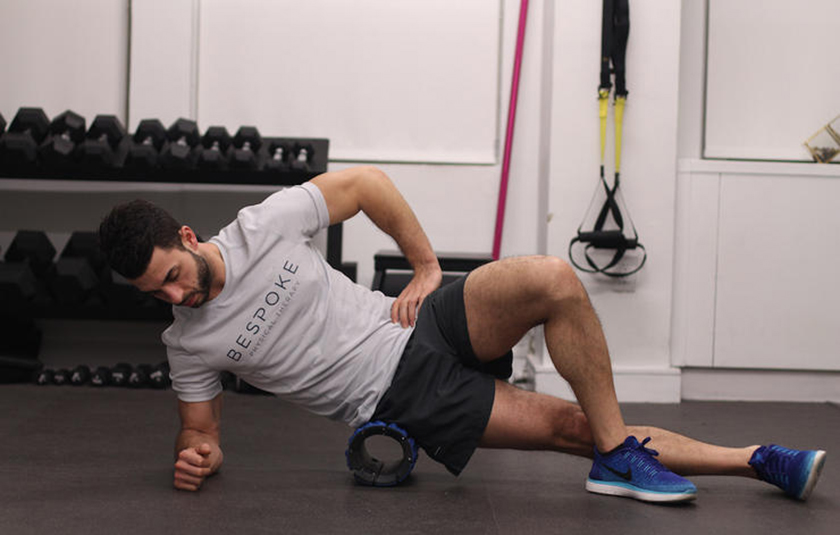
What Exactly is a Small Foam Roller?
A small foam roller is essentially a condensed version of the traditional foam roller, typically ranging from 4 to 12 inches in length and sometimes with a smaller diameter (3-4 inches compared to the usual 5-6 inches). Its primary purpose is to deliver focused pressure to smaller, more specific muscle groups and trigger points that are often difficult to reach with a standard-sized roller.
Think of it as a specialized tool for detailed work. While larger rollers are excellent for broad strokes across major muscle groups like your back or quads, a small foam roller allows for a more “surgical” approach. This targeted action helps release myofascial adhesions – those painful, stiff areas in your fascia and muscles often referred to as “knots” or “trigger points.”
Types of Small Foam Rollers and Their Materials
Just like their larger siblings, small foam rollers come in a variety of types, each designed to offer a different experience and level of intensity. The material and surface texture are key factors in determining how effective and comfortable your self-massage will be.
Density
- Soft/Low-Density: Often white or blue, these are ideal for beginners, individuals with sensitive muscles, or those recovering from injury. They provide a gentler pressure and are a great starting point to get accustomed to foam rolling.
- Medium-Density: Typically blue or red, these offer a balanced blend of comfort and effectiveness, suitable for most users. They provide ample pressure without being overly intense.
- Firm/High-Density: Often black or speckled, these are for experienced users seeking a deep-tissue massage. Made from materials like Expanded Polypropylene (EPP) or high-density EVA foam, they are very durable and maintain their shape even with intensive use.
Surface Texture
- Smooth Rollers: These provide even pressure across the entire contact area, making them a good choice for beginners or for general muscle relief.
- Textured Rollers: Featuring ridges, knobs, or grid patterns, these mimic the hands of a massage therapist, digging deeper into muscle knots for more targeted relief. They are excellent for addressing stubborn tight spots and can increase blood flow more effectively.
Materials
Common materials include:
- Polyethylene (PE): Usually found in low-density, softer rollers, good for beginners.
- Ethylene Vinyl Acetate (EVA): Offers a good balance of density and durability, available in various firmness levels.
- Expanded Polypropylene (EPP): The firmest type, often appearing like molded polystyrene balls, known for its durability and intense pressure.
The Undeniable Benefits of Using a Small Foam Roller
Don’t let its size fool you; a small foam roller packs a punch when it comes to therapeutic benefits. Its ability to provide highly localized pressure offers distinct advantages:
- Targeted Myofascial Release: This is where the small foam roller truly shines. It allows you to pinpoint specific trigger points and muscle knots in smaller, harder-to-reach areas like the arches of your feet, calves, piriformis, and neck, releasing tension and improving flexibility.
- Improved Blood Flow and Circulation: By applying pressure and rolling, you enhance blood flow to the targeted muscles and connective tissues. This brings fresh, oxygenated blood and nutrients to the area, aiding in recovery and reducing stiffness.
- Reduced Muscle Soreness (DOMS): Post-exercise soreness, or Delayed Onset Muscle Soreness (DOMS), can be significantly mitigated. Foam rolling helps break up adhesions and flush out metabolic waste products, speeding up recovery and reducing discomfort.
- Increased Range of Motion and Flexibility: Regular use can gently stretch muscles and soft tissues, leading to improved flexibility and joint range. Combining foam rolling with static stretching can be particularly effective.
- Enhanced Performance: By maintaining muscle pliability and reducing stiffness, you can improve movement patterns, reduce the risk of injury, and optimize your physical performance, whether in sports or daily activities.
- Portability and Convenience: Its compact size makes it a perfect travel companion. You can easily take it to the gym, the office, or on vacation, ensuring consistent self-care wherever you are.
- Stress Relief and Relaxation: The act of self-massage with a small foam roller can be deeply relaxing, helping to reduce overall muscle tension and promote a sense of well-being.
Dr. Anya Sharma, a sports physiotherapist, emphasizes, “The precision a small foam roller offers for targeting stubborn knots and tight areas, especially in smaller muscle groups like the calves and forearms, is unparalleled for effective self-myofascial release.”
Detailed Guide: How to Use a Small Foam Roller for Different Muscle Groups
Mastering the small foam roller involves slow, controlled movements and listening to your body. Remember, it should be uncomfortable in tight spots, but not excruciatingly painful.
For Your Feet (Plantar Fasciitis Relief)
- Position: Sit on the floor with your feet flat. Place the small foam roller (or a half-round roller for more stability) under one foot.
- Action: Slowly roll from your toes to your heel, applying pressure as needed. When you find a tender spot, hold the pressure for 15-30 seconds, wiggling your foot slightly if it feels right.
- Focus: This is excellent for relieving plantar fasciitis symptoms and general foot soreness.
For Your Calves (Gastrocnemius & Soleus)
- Position: Sit on the floor with legs extended. Place the small foam roller under one calf, just above the Achilles tendon. You can cross your other leg on top for added pressure.
- Action: Using your hands for support, slowly roll your calf up and down from your ankle to just below your knee. Pause on tender spots, and try flexing and extending your foot to work deeper into the muscle.
- Focus: Releasing calf tension can surprisingly alleviate lower back aches and neck pain due to fascial connections.
For Your Hamstrings (Targeted Relief)
- Position: Sit on the floor with the roller under one hamstring. Use your hands to support your body, lifting your glutes slightly off the floor.
- Action: Slowly roll from just above your knee to your glutes, pausing on any tight spots. You can turn your leg slightly inward or outward to hit different parts of the hamstring.
- Focus: Addressing hamstring tightness is crucial for hip mobility and preventing injuries.
For Your Glutes & Piriformis
- Position: Sit on the foam roller. Place the ankle of your target leg on the opposite knee to put your glute muscle on a stretch. Lean slightly onto the side you want to roll.
- Action: Slowly roll your buttock muscles, focusing on the outer glute and piriformis area. Move slowly and hold pressure on any tight spots.
- Focus: Great for relieving sciatic nerve pain symptoms and improving hip external rotation.
For Your Upper Back (Rhomboids & Trapezius – Targeted)
- Position: Lie on your back with the small foam roller positioned horizontally under your upper back, avoiding direct pressure on the spine. Bend your knees and lift your hips slightly.
- Action: Slowly roll a small segment of your upper back, focusing on the area between your shoulder blades. You can slightly shift your body to the left or right to target specific areas. Avoid rolling directly on your neck or lower back.
- Focus: Ideal for relieving tension from desk work or poor posture.
For Your Neck (Extreme Caution Required)
- Caution: Foam rolling your neck directly with a standard roller is generally not recommended due to potential cervical spine issues. However, a very small, soft foam roller or a massage ball can be used gently at the base of the skull or the upper trapezius for mild tension. Always proceed with extreme care, using minimal pressure, and stop if you feel any discomfort or sharp pain. Consult a professional if you have neck issues.
Tips and Common Mistakes When Using a Small Foam Roller
To maximize your benefits and avoid potential harm, keep these tips in mind:
Tips for Effective Rolling
- Go Slow: Slower movements allow the fascia and muscles to adapt and release. Rushing through it won’t yield the same results.
- Breathe Deeply: Deep breathing helps relax your muscles, allowing for a more effective release.
- Hydrate: Drink water before and after foam rolling to support muscle recovery and tissue pliability.
- Listen to Your Body: Pain is a signal. While some discomfort is normal in tight spots, sharp or radiating pain means you should stop or adjust your position.
- Consistency is Key: Regular short sessions are more beneficial than infrequent long ones. Aim for 1-2 minutes per muscle group.
Common Mistakes to Avoid
- Rolling Too Quickly: This is a common error that prevents muscles from truly releasing.
- Rolling Directly on Joints or Bones: Avoid rolling directly over knees, ankles, elbows, or your spine, as this can cause bruising or trauma.
- Applying Too Much Pressure: While deep tissue massage can be intense, excessive pressure can cause your muscles to tense up further or lead to injury. Adjust pressure by shifting your body weight.
- Foam Rolling an Acute Injury: Do not roll directly over inflamed, bruised, or injured areas. This can worsen the condition.
- Holding Your Breath: This increases tension and counteracts the purpose of foam rolling.
- Ignoring Pain Signals: Discomfort is okay; sharp pain is not.
Integrating a Small Foam Roller into Your Routine
A small foam roller is versatile enough to fit into various parts of your daily or weekly routine:
- Warm-up: Incorporate quick 30-second rolls on target muscle groups before exercise to increase blood flow and prepare your muscles for activity.
- Cool-down/Post-Workout: Use it after workouts to reduce muscle soreness and aid in recovery by promoting circulation and myofascial release.
- Daily Maintenance: If you sit for long periods or have chronic tension, short daily sessions can help manage tightness and improve posture.
- Travel Companion: Its size makes it perfect for maintaining your routine while on the go, preventing stiffness from long flights or car rides.
Who Should (and Shouldn’t) Use a Small Foam Roller?
Who Benefits Most?
- Athletes & Active Individuals: For targeted recovery, increasing flexibility, and injury prevention in specific muscle groups like calves, IT bands, and glutes.
- Office Workers: To relieve tension in the upper back, neck (with caution), and forearms often caused by prolonged sitting and computer use.
- Travelers: Its portability makes it ideal for preventing stiffness and soreness during trips.
- Individuals with Specific Pain Points: Excellent for localized issues such as plantar fasciitis, tight piriformis, or calf cramps.
- Beginners: Softer, smaller rollers can be less intimidating and help beginners learn the technique before moving to larger or firmer options.
Who Should Exercise Caution (or Avoid)?
- Individuals with Certain Medical Conditions: If you have osteoporosis, severe varicose veins, advanced diabetes, deep vein thrombosis, or certain heart conditions, consult your doctor or a physical therapist before foam rolling.
- Acute Injuries: Avoid rolling directly on fresh injuries, fractures, open wounds, or areas with acute inflammation. Roll around the injured area gently if advised by a professional.
- Extreme Pain: Foam rolling should not cause excruciating or debilitating pain. If it does, stop immediately.
- Pregnancy: Consult a healthcare provider before using a foam roller, especially for abdominal or lower back areas.
Frequently Asked Questions (FAQ)
Q1: Is a small foam roller better than a regular one?
A1: Neither is inherently “better”; they serve different purposes. A small foam roller excels at targeted deep-tissue massage for smaller muscles and specific knots, while a regular foam roller is better for broader muscle groups. Many people benefit from having both.
Q2: How often should I use a small foam roller?
A2: For general maintenance and recovery, 1-2 minutes per muscle group, 3-5 times a week, can be highly effective. For acute soreness, short daily sessions might be beneficial, but always listen to your body.
Q3: Can a small foam roller help with plantar fasciitis?
A3: Yes, a small foam roller is highly effective for massaging the arches of your feet, which can significantly help relieve symptoms of plantar fasciitis.
Q4: Is it okay to use a small foam roller on my neck?
A4: Extreme caution is advised. Avoid rolling directly on your cervical spine. A very small, soft roller or massage ball can be gently used at the base of the skull or on the upper trapezius, but always consult a professional if you have neck pain or conditions.
Q5: What’s the difference between a smooth and a textured small foam roller?
A5: A smooth small foam roller provides even, consistent pressure, ideal for beginners or general relief. A textured one has ridges or knobs for a deeper, more targeted massage, mimicking a therapist’s fingers and better for stubborn knots.
Q6: Can foam rolling replace stretching?
A6: No, foam rolling and stretching are complementary. Foam rolling helps prepare muscles by releasing tightness and improving blood flow, while stretching lengthens the tissues to improve flexibility. Combining both offers the best results.
Conclusion
The small foam roller is more than just a miniature version of a popular fitness tool; it’s a specialized instrument designed for precision and potent relief. Its ability to target specific muscle groups and knots makes it an invaluable addition to any self-care or fitness regimen, offering benefits ranging from enhanced recovery and increased flexibility to improved performance and reduced pain. Embrace this mighty mini-tool, integrate it wisely into your routine, and experience the profound difference targeted myofascial release can make in your journey toward a more mobile, pain-free, and invigorated you. Give it a try – your muscles will thank you!