Are your muscles crying out for a deeper kind of relief? Have you hit a plateau with traditional recovery methods, yearning for something that truly digs into those stubborn knots? If so, it might be time to introduce a powerful ally into your fitness arsenal: the Spiky Foam Roller. This innovative tool isn’t just another piece of equipment; it’s a game-changer for anyone serious about enhancing muscle recovery, boosting flexibility, and achieving profound myofascial release. As a trusted advisor in the world of fitness and recovery, I’m here to illuminate the unique benefits and effective usage of this incredible device, helping you harness its full potential for a healthier, more mobile you.
What Exactly is a Spiky Foam Roller?
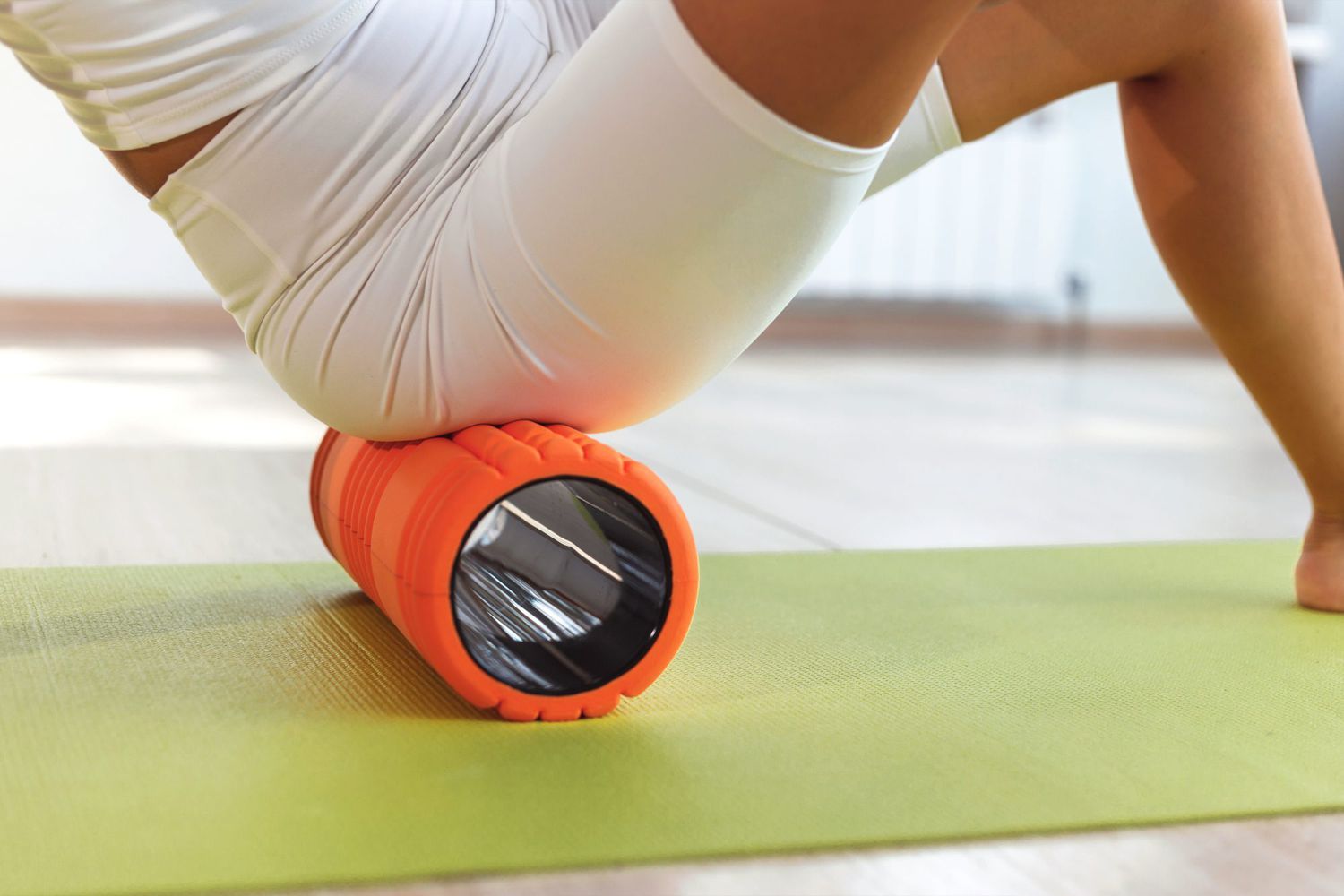
At its core, a foam roller is a cylindrical tool used for self-myofascial release (SMR), a self-massage technique designed to relieve muscle tightness and soreness. While many are familiar with the smooth, often softer foam rollers, the spiky variant takes this concept to the next level. Imagine a standard foam roller, but covered with distinct knobs, ridges, or spikes. These textured surfaces are engineered to mimic the deep pressure and targeted touch of a professional sports massage, allowing for more intense and pinpointed pressure on specific muscle groups and trigger points.
Unlike its smooth counterpart, a spiky foam roller is typically made from a denser, firmer material, often EVA foam or hard plastic, ensuring that the protrusions can effectively penetrate deeper into the muscle tissue. This design facilitates a more aggressive form of SMR, ideal for individuals who are accustomed to foam rolling and require a more profound release from deep-seated muscle tension and adhesions.
Why Go Spiky? The Benefits That Dig Deeper
Choosing a spiky foam roller over a smooth one isn’t just about increased intensity; it’s about unlocking a host of targeted benefits that can significantly impact your physical well-being and athletic performance.
Deep Tissue Massage & Myofascial Release
The most prominent advantage of a spiky foam roller is its ability to provide a more intense, deep tissue massage. The strategically placed spikes exert concentrated pressure, helping to break up stubborn muscle knots and adhesions within the fascia – the connective tissue surrounding your muscles. This deep myofascial release can alleviate chronic tightness that smoother rollers might not effectively address.
Enhanced Blood Flow & Nutrient Delivery
Applying pressure with a spiky foam roller stimulates blood circulation to the targeted areas. Increased blood flow means more oxygen and vital nutrients reach your muscles, promoting faster healing and recovery. This improved circulation can also help flush out metabolic waste products that contribute to muscle soreness.
Improved Flexibility & Range of Motion
Regular use of a spiky foam roller can lead to a significant improvement in your flexibility and overall range of motion. By releasing tension and improving the elasticity of your muscle tissues and fascia, you’ll find your joints moving more freely, which is crucial for both athletic performance and daily activities.
Faster Muscle Recovery & Reduced DOMS
Post-workout muscle soreness, known as Delayed Onset Muscle Soreness (DOMS), can be debilitating. Incorporating a spiky foam roller into your cool-down routine can help reduce DOMS by promoting muscle recovery and preventing excessive tightness from setting in. This allows you to get back to your training sooner and with less discomfort.
Targeted Knot Release
Those annoying “trigger points” – hyperirritable spots in your muscle tissue – can be notoriously difficult to alleviate. The precision of the spiky foam roller’s design allows you to isolate and apply direct pressure to these specific knots, encouraging them to release and relax.
Potential for Stress Relief
While research on direct stress reduction is still evolving, many individuals find the process of releasing muscle tension inherently relaxing. The physical relief can contribute to a reduction in overall body tension, potentially leading to a calmer mental state.
Spiky vs. Smooth: Which Roller is Right for You?
Deciding between a spiky and a smooth foam roller depends largely on your experience level, pain tolerance, and specific recovery needs.
Smooth Foam Rollers: These are often the recommended starting point for beginners. They provide even pressure across a wider surface area, offering a more gentle introduction to self-myofascial release. If you’re new to foam rolling, have sensitive muscles, or are recovering from a minor injury, a smooth roller is your best bet.
Spiky Foam Rollers: These are for the experienced user seeking a deeper, more aggressive massage. If you consistently deal with deep-seated muscle knots, chronic tightness, or simply crave more intense pressure, a spiky roller is an excellent progression. Think of it as moving from a gentle hand massage to a firm, deep tissue session. It’s not for the faint of heart, but the results can be profoundly rewarding.
Progressing to a spiky roller often happens naturally as your muscles adapt to the pressure of a smooth roller and you feel the need for more targeted, intense work.
Mastering the Spiky Roller: A How-To Guide for Key Muscle Groups
Using a spiky foam roller effectively requires mindful technique. The goal is relief, not excruciating pain. Here are some general principles and applications for common muscle groups:
General Principles for Effective Rolling
- Go Slow: Roll no faster than one inch per second. This allows your muscles to adapt and gives you time to identify tender spots.
- Hold & Breathe: Once you find a tender area (a “hot spot” or trigger point), pause on it for 20-30 seconds, or about 3-4 deep breaths. Allow the pressure to sink in.
- Listen to Your Body: Discomfort is normal, but sharp or shooting pain is a warning sign. Your pain level should ideally stay within a 1-4 or 5 out of 10 scale. If it’s too intense, reduce the pressure by shifting some body weight off the roller (e.g., using your hands for support).
- Stay Hydrated: Drinking plenty of water after rolling can aid muscle recovery and help flush out toxins.
- Avoid Bony Areas & Joints: Never roll directly over bones or joints like your knees, elbows, or ankles, as this can cause injury.
Specific Areas to Target with Your Spiky Foam Roller
Glutes & Piriformis
Sit on the roller with one glute. Cross the opposite ankle over the knee of the leg you’re sitting on. Lean into the glute with the crossed leg, and slowly roll back and forth, or hold on a tender spot. This is fantastic for hip mobility and sciatic nerve relief.
Hamstrings
Sit with the roller under your hamstrings, supporting yourself with your hands behind you. Roll slowly from just above the knee to below your glutes. To increase intensity, cross one leg over the other to focus on one hamstring at a time.
Quads
Lie face down with the roller under your quads, supporting yourself on your forearms. Roll from just above your knees up towards your hips. You can also turn slightly to one side to target the inner or outer quad.
Calves
Sit with the roller under your calves, supporting yourself with your hands. Roll slowly from your ankles to just below your knees. For more pressure, cross one leg over the other.
Upper Back & Lats
Lie on your back with the roller placed horizontally under your upper back (avoiding the lower back and neck directly). Cross your arms over your chest or place hands behind your head, then slowly roll up and down, feeling the spikes work into your shoulder blades and lats.
Shoulders & Neck (with extra caution)
For shoulders, you can position the roller under one shoulder blade and apply pressure. For the neck, extreme gentleness is key. Lie on your back and place the roller at the base of your skull. Gently turn your head from side to side, or simply let the roller provide static pressure. Remember, the neck is a very delicate area, so proceed with utmost care.
Tips for Effective Rolling & Common Mistakes to Avoid
To truly get the most out of your spiky foam roller, it’s not just about knowing where to roll, but how.
Top Tips for Maximizing Your Session
- Warm Up First: A few minutes of light cardio or dynamic stretching before rolling can warm up your muscles, making them more receptive to the deep tissue work.
- Consistency is Key: Regular short sessions are often more effective than infrequent, long ones. Aim for 10-15 minutes, three to four times a week.
- Combine with Stretching: Foam rolling can prepare your muscles for stretching by breaking up tightness. Follow up your rolling session with static stretches for enhanced flexibility.
- Experiment with Angles: Slight adjustments to your body position can change the angle of pressure, allowing you to hit different parts of a muscle.
- Listen to Your Body (Again!): This can’t be stressed enough. Your body provides the best feedback.
Common Mistakes That Can Hinder Progress
- Rolling Too Fast: Speed rolling prevents the tissue from truly releasing and can even cause superficial bruising. Slow and steady wins the race here.
- Using Too Much Pressure: While spiky rollers are intense, forcing excessive pressure can lead to bruising, inflammation, or muscle guarding (where your muscle tenses up further in response to pain).
- Holding Your Breath: When you hit a tender spot, it’s natural to hold your breath. However, deep, controlled breathing helps your muscles relax and allows the release to happen more effectively.
- Rolling Directly on Bones or Joints: As mentioned, this can cause injury or hyperextension. Always target the muscle belly.
- Ignoring Pain: Distinguish between “good pain” (deep, therapeutic discomfort) and “bad pain” (sharp, radiating, or numb sensations). If it’s bad pain, stop immediately.
Integrating the Spiky Roller into Your Routine
The versatility of the spiky foam roller means it can seamlessly fit into various parts of your fitness routine:
- Pre-Workout Warm-up: A short session can help increase blood flow to your muscles, improve tissue elasticity, and enhance your range of motion, preparing your body for optimal performance.
- Post-Workout Recovery: After a tough training session, using your spiky roller can significantly reduce muscle soreness (DOMS) and accelerate recovery by encouraging blood flow and releasing tension.
- Rest Day Mobility: Don’t let your rest days be sedentary. A light foam rolling session can maintain mobility, address any lingering tightness, and keep your muscles supple.
- Daily Tension Relief: For those who sit at a desk all day or experience chronic tension in areas like the upper back or hips, a few minutes with the spiky foam roller can provide much-needed relief.
Who Should (and Shouldn’t) Embrace the Spiky Roller?
While a spiky foam roller offers incredible benefits, it’s not for everyone.
Ideal Users
- Athletes and Fitness Enthusiasts: Especially those involved in high-intensity training, weightlifting, or endurance sports, who frequently deal with deep muscle knots and require advanced recovery techniques.
- Individuals with Chronic Muscle Tightness: If you constantly battle persistent tension in specific muscle groups, the targeted pressure of a spiky roller can be highly effective.
- Experienced Foam Rollers: If smooth rollers no longer provide the desired intensity or relief, a spiky roller is a natural next step.
Caution and Professional Consultation Recommended
It’s always wise to consult with a doctor or physical therapist before introducing any new recovery tool, especially if you have existing health conditions. Special caution is advised for individuals with:
- Pregnancy: Hormonal changes can lead to joint laxity, making deep pressure risky.
- Osteoporosis: Bones can be brittle and prone to fracture.
- Varicose Veins: Rolling over affected areas can exacerbate the condition.
- Diabetes: Reduced sensation in extremities can mask excessive pressure, and skin may be more fragile.
- Uncontrolled Hypertension: The intensity might temporarily increase blood pressure.
- Chronic Pain Conditions: Some conditions might be worsened by direct, intense pressure.
Absolute Contraindications (Do NOT Use)
There are certain conditions where using a spiky foam roller, or any foam roller, is strictly contraindicated:
- Open Wounds or Bruises: Rolling can cause further damage or infection.
- Bone Fractures: Any type of bone injury makes foam rolling highly dangerous.
- Severe Muscle Tears or Ruptures: Until properly healed and cleared by a medical professional.
- Deep Vein Thrombosis (DVT): Rolling can dislodge a blood clot, leading to a life-threatening embolism.
- Acute Local Tissue Inflammation: If an area is red, hot, swollen, and painful, applying pressure will only worsen it.
- Myositis Ossificans: A condition where bone forms inside muscle tissue after an injury; foam rolling can aggravate it.
As fitness expert Dr. Anya Sharma often advises, “A spiky foam roller is a powerful tool, but like any potent instrument, it demands respect and careful application. Know your body, listen to its signals, and when in doubt, always seek professional guidance.”
Frequently Asked Questions
How often should I use a spiky foam roller?
For general muscle maintenance and recovery, aiming for 3-5 times a week, in 10-20 minute sessions, is usually effective. For acute tightness, you might use it daily on specific areas, but always listen to your body’s response.
Is it normal for a spiky foam roller to hurt?
A certain level of discomfort or “good pain” is normal, especially when targeting tight spots. This sensation indicates that you’re effectively releasing tension. However, sharp, excruciating, or radiating pain is a sign to stop or reduce pressure immediately.
Can a spiky foam roller help with cellulite?
While some product claims suggest foam rollers can help with the appearance of cellulite by breaking up fascia, scientific evidence directly supporting this for spiky foam rollers is limited. The primary benefits are muscle release and recovery.
How do I clean my spiky foam roller?
Most spiky foam rollers can be easily cleaned with a damp cloth and a mild soap solution. Wipe it down after each use, especially if you sweat heavily, to maintain hygiene.
What’s the best time of day to use it?
You can use a spiky foam roller anytime! Many prefer it before a workout to warm up muscles, after a workout for recovery, or in the evening to release daily tension. The “best” time is when you can consistently integrate it into your routine.
Conclusion
The spiky foam roller is an exceptional tool for anyone committed to deeper muscle relief, enhanced flexibility, and accelerated recovery. By understanding its unique design, mastering proper techniques, and respecting its power, you can unlock a new level of physical freedom and athletic potential. Embrace the invigorating challenge of the spiky foam roller – your muscles will thank you for the profound, targeted care. It’s time to take control of your muscle health and feel the incredible difference.