Have you ever found yourself stiff after a challenging workout, or felt persistent knots in your muscles that just won’t seem to let go? That’s where the magic of self-myofascial release (SMR) comes in, and for many, the Textured Foam Roller is the ultimate tool for truly digging deep and finding relief. It’s not just about rolling; it’s about a targeted, intense massage experience that can transform your recovery and boost your overall well-being.
What is a Foam Roller and its History?
At its core, a foam roller is a cylindrical tool, typically made of dense foam, used to apply pressure to muscles and connective tissues (fascia). This self-applied pressure, known as Self-Myofascial Release (SMR), helps to release muscle tightness, reduce soreness, and improve flexibility. The concept isn’t new, but foam rolling gained significant popularity in the last two decades as a cost-effective and accessible way for individuals to manage their own pain, enhance recovery, and improve mobility. It’s essentially like getting a deep tissue massage on your own terms. While traditional smooth foam rollers offer a broad, even pressure, the evolution of this simple device brought us to the highly specialized and incredibly effective textured foam roller.
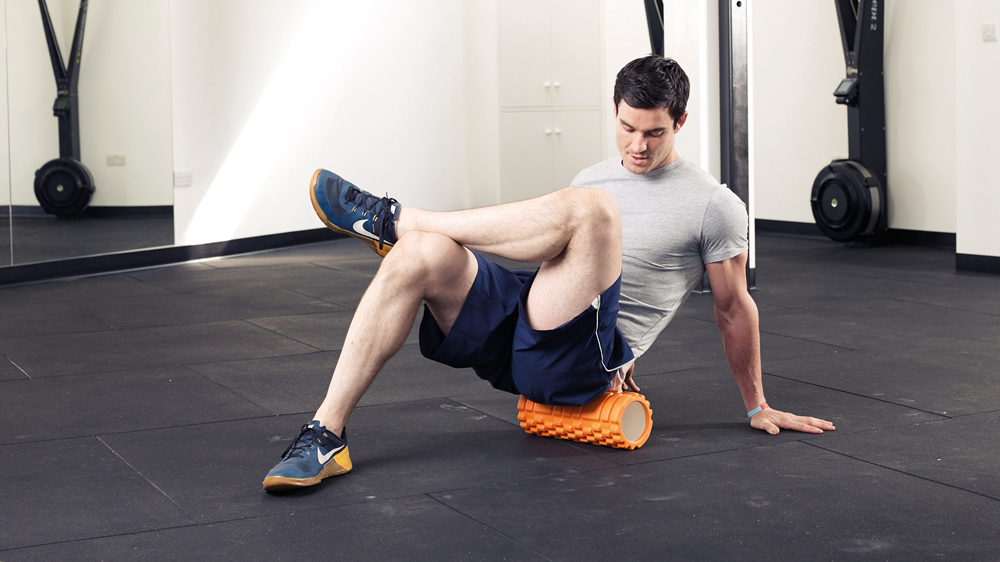
The Textured Foam Roller: Your Personal Deep-Tissue Masseuse
So, what makes a textured foam roller stand out? Unlike its smooth counterpart, a textured foam roller features specific patterns like ridges, knobs, or grid-like designs across its surface. Imagine the skilled hands of a massage therapist working deeply into your muscle tissue – that’s the sensation these textures are designed to mimic. These intentional bumps and grooves allow the roller to:
- Target specific knots and adhesions: The varied surface can pinpoint stubborn trigger points that a smooth roller might glide over.
- Provide a deeper, more intense massage: The concentrated pressure from the textures penetrates deeper into the muscle and fascia, making it ideal for breaking up long-standing tension.
- Enhance blood flow to restricted areas: The undulating surface can stimulate circulation more effectively in tight spots, aiding in nutrient delivery and waste removal.
While a smooth roller is excellent for beginners or for a gentler, more uniform massage, the textured foam roller is your go-to when you need to address those persistent, deep-seated muscle knots and feel a more profound release.
Types of Textured Foam Rollers and Materials
Textured foam rollers aren’t all created equal. Their effectiveness can vary based on the specific design of their texture, their density, and their size.
Types of Texture:
- Grid Pattern: These often have a multi-patterned surface with both flat and raised sections, allowing for varied pressure that simulates fingers, thumbs, and palms.
- Knobs or Bumps: Rollers with distinct knobs or “spikes” are designed to dig deeply into specific trigger points, providing an intense, pinpointed massage.
- Wavy Ridges: These textures offer a slightly less aggressive but still deep massage, helping to “wring out” muscles and promote blood flow along their length.
Material and Density:
The density of a textured foam roller is crucial, as it dictates the intensity of the massage.
- Soft (Low-Density): While less common for textured rollers, softer options provide a gentler experience.
- Medium-Density: Offers a good balance between comfort and effectiveness, suitable for most users transitioning from smooth rollers.
- Firm (High-Density): This is where many textured foam rollers truly shine. Firm rollers, often black or dark in color, are designed for advanced users and athletes seeking maximum pressure to break up constricted fascia and address deep muscle tightness. The firmer the roller, the more durable it tends to be.
Length and Diameter:
- Long (36 inches): Versatile and stable, great for full-back rolling, quads, and hamstrings, and often recommended for beginners due to increased stability.
- Medium (18-24 inches): Handy for targeting smaller muscle groups like arms and calves, and more portable.
- Short (4-12 inches): Super portable, perfect for travel or highly specific areas like the feet, shoulders, or inner thighs.
- Diameter: Most are 5-6 inches, offering good control. Smaller diameters (3-4 inches) provide even deeper, more targeted pressure.
Benefits That Go Deeper: Why Choose a Textured Foam Roller?
The unique design of a textured foam roller translates into several significant advantages for your body:
- Targeted Muscle Knot Release: The ridges and knobs mimic a physical therapist’s hands, precisely targeting muscle knots and trigger points that can cause discomfort and restrict movement.
- Enhanced Blood Flow and Circulation: The varied pressure from the textured surface helps stimulate blood flow to your muscles, delivering vital oxygen and nutrients while flushing out metabolic waste products. This is key for healthier, more pliable tissues.
- Accelerated Muscle Recovery: By reducing muscle soreness (Delayed Onset Muscle Soreness or DOMS) and improving circulation, a textured foam roller can significantly speed up your recovery after intense workouts, getting you back to training faster.
- Improved Flexibility and Range of Motion: Regular use helps lengthen and loosen tight muscles and fascia, leading to increased flexibility around your joints and a greater range of motion.
- More Effective Fascia Break-up: The deeper pressure helps to break down adhesions in the fascia, the connective tissue that surrounds and supports your muscles, which can become stiff and restricted over time.
- Alleviating Chronic Muscle Tension and Pain: For individuals dealing with persistent tightness or chronic pain in areas like the back, hips, or shoulders, consistent use of a textured foam roller can provide substantial relief and help manage discomfort.
Mastering the Roll: A Detailed Guide to Using Your Textured Foam Roller
Ready to experience the deep relief a textured foam roller can offer? Here’s how to use it effectively and safely.
General Principles for Effective Rolling:
- Slow and Deliberate Movement: Resist the urge to roll quickly. Move at about 1-2 inches per second. This allows the muscle tissue to adapt to the pressure and effectively release tension.
- Locate Tender Spots: As you roll, you’ll inevitably find tender spots – these are your muscle knots or trigger points. When you hit one, pause and hold pressure on that spot for 10-30 seconds, or even up to 60 seconds, allowing the muscle to relax and release.
- Breathing and Relaxation: It can be intense, but remember to breathe deeply and try to relax into the pressure. Tensing up will only make it harder for your muscles to release.
- Body Positioning and Pressure Control: Use your hands, feet, or other limbs to support your body and control the amount of weight you put onto the roller. You want to feel discomfort, but never sharp pain. Adjust your position to dial the intensity up or down.
- Avoid Bony Areas and Joints: Focus on muscle tissue. Never roll directly over your joints (like knees or elbows), or sensitive bony prominences. Also, avoid rolling directly on your neck or lower back (lumbar spine) as these areas require more specialized attention and can be risky with a standard roller.
Targeted Exercises for Key Muscle Groups:
Here are some popular and effective exercises you can perform with your textured foam roller:
- Upper Back (Thoracic Spine):
- Lie on your back with the textured foam roller positioned perpendicular under your mid-upper back, just below your shoulder blades.
- Cross your arms over your chest or place hands behind your head to support your neck.
- Lift your hips slightly and slowly roll up and down from your mid-back to the base of your neck. Lean slightly to one side to target individual lats or rhomboids.
- Glutes:
- Sit on the foam roller, placing it under one glute. Cross the ankle of that leg over your opposite knee (Figure-4 position).
- Lean towards the side you’re rolling and slowly roll back and forth, from the top of your hip to the bottom of your glute, finding tender spots. Switch sides.
- Hamstrings:
- Sit on the floor with your legs extended, placing the textured foam roller under your hamstrings.
- Prop yourself up with your hands. You can roll both hamstrings simultaneously or cross one leg over the other for increased pressure on a single leg.
- Roll slowly from just above your knees to your glutes, pausing on tight areas.
- Quadriceps:
- Lie face down in a plank-like position, with the foam roller under your thighs.
- Support your upper body on your forearms. Roll slowly from just above your knees up to your hip flexors. Shift your weight to target the inner or outer quad.
- IT Band (Iliotibial Band):
- Lie on your side with the textured foam roller under your outer thigh, just below your hip. Your top leg can be bent with the foot on the floor for support, or stacked on top for more pressure.
- Roll slowly from just below your hip down to above your knee. This area can be very sensitive, so adjust pressure carefully.
- Calves:
- Sit on the floor with legs extended, placing the textured foam roller under your calves.
- Support yourself with your hands behind you. You can roll both calves or cross one leg over the other for deeper pressure on a single calf.
- Roll slowly from your ankles to just below your knees. Rotate your leg slightly to target different parts of the calf muscle.
Common Mistakes to Avoid and Pro Tips for Textured Foam Rolling
Even with the best intentions, it’s easy to make mistakes. Here’s what to watch out for and how to maximize your textured foam roller experience:
Common Mistakes:
- Rolling Too Fast: You won’t get the desired myofascial release if you rush. Slow and steady wins the race.
- Spending Too Long on One Spot: While holding on tender spots is good, don’t stay in one painful position for too long, especially if it’s causing sharp pain.
- Rolling Over Joints or Bones: This can cause bruising or injury. Always keep the roller on muscle tissue.
- Holding Your Breath: This indicates you’re tensing up. Remember to breathe deeply to help your muscles relax.
- Using Too Much Pressure as a Beginner: Start with moderate pressure and gradually increase as your body adapts. If it’s too painful, lighten the load.
Pro Tips:
- Start Gentle: If you’re new to textured rollers, use a softer density or apply less body weight initially.
- Listen to Your Body: Discomfort is normal, but sharp, shooting, or radiating pain is a sign to stop or adjust.
- Warm Up First: A short warm-up can make foam rolling more effective by increasing muscle temperature and pliability.
- Hydrate: Proper hydration keeps your fascia healthy and makes rolling more effective.
- Consistency is Key: Regular short sessions are more beneficial than infrequent long ones.
Integrating Your Textured Foam Roller into Your Routine
A textured foam roller isn’t just for when you’re sore. It can be a powerful addition to various parts of your fitness regimen:
- Pre-Workout: A few minutes of rolling before exercise can help loosen up tight muscles, improve blood flow, and prepare your body for more efficient movement, potentially reducing injury risk.
- Post-Workout: This is perhaps the most common use. Rolling after a workout helps to reduce muscle soreness, aid recovery, and restore muscle length and function.
- Standalone Recovery Sessions: On rest days or after long periods of sitting, a dedicated foam rolling session can be a fantastic way to alleviate general muscle tension and maintain flexibility.
Who Should (and Shouldn’t) Embrace the Textured Foam Roller?
The textured foam roller is a fantastic tool, but it’s not for everyone, especially right out of the gate.
Ideal Users:
- Experienced Foam Rollers: If you’re comfortable with smooth rollers and seeking a deeper, more intense experience.
- Athletes and Active Individuals: Excellent for those who push their bodies hard and need aggressive recovery for stubborn knots and tight fascia.
- Individuals with Persistent Muscle Knots: For specific, deep-seated trigger points that require focused pressure.
Caution Advised For:
- Beginners: It’s often recommended to start with a smooth, softer foam roller to get accustomed to the technique and pressure before moving to textured.
- Individuals with Acute Injuries: If you have a torn ligament, inflamed disc, deep vein thrombosis, or nerve pain, using a foam roller can aggravate your condition.
- Sensitive Areas: Avoid rolling directly on your neck, lower back (lumbar spine), or over any bony protrusions or joints.
- Medical Conditions: Always consult a healthcare professional, physical therapist, or doctor if you have any pre-existing medical conditions or are unsure if foam rolling is safe for you.
Expert Insight: A Word from Dr. Elena Petrova, Sports Physiotherapist
“As a sports physiotherapist, I often recommend textured foam rollers to my more advanced clients,” says Dr. Elena Petrova. “The precise, targeted pressure they offer is invaluable for breaking up stubborn myofascial adhesions and increasing localized blood flow, which are crucial for optimizing athletic performance and ensuring long-term muscle health. It’s about being smart with your self-care to keep your body moving its best.”
Conclusion
The textured foam roller is far more than just a piece of foam; it’s a powerful ally in your journey towards improved muscle health, enhanced recovery, and greater mobility. By understanding its unique benefits, knowing how to use it correctly, and respecting its intensity, you can unlock a level of deep tissue relief that truly mimics a professional massage. So, whether you’re battling post-workout soreness or simply striving for greater flexibility, consider embracing the challenge and rewarding benefits of a textured foam roller to elevate your self-care routine. Your muscles will thank you!