Ah, travel! The thrill of new destinations, the joy of exploration, and… the inevitable stiff neck, aching back, and tight hamstrings from hours spent crammed in a tiny airplane seat or pounding the pavement exploring a new city. Sound familiar? We’ve all been there. But what if I told you there’s a game-changing tool that can transform your travel experience, keeping you limber, loose, and ready for anything, no matter where your adventures take you? Enter the Travel Foam Roller. This isn’t just another gadget; it’s your portable powerhouse for recovery, designed to ensure your body feels as good as your vacation memories.
What Exactly is a Travel Foam Roller?
At its core, a foam roller is a cylindrical tool used for self-myofascial release (SMR), a fancy term for self-massage. It helps to alleviate muscle tightness, soreness, and inflammation by applying pressure to specific points on your body, similar to a deep tissue massage. A travel foam roller takes this concept and shrinks it down to a compact, lightweight, and highly portable size, typically under 12 inches long and sometimes as narrow as 4 inches in diameter. Unlike its bulkier gym-sized cousins, these mini marvels are specifically engineered to fit seamlessly into your luggage, backpack, or even a spacious carry-on, making them an indispensable companion for any journey.
Why Every Traveler Needs a Travel Foam Roller: The Undeniable Benefits
Think of your travel foam roller as your personal masseuse on demand, ready to work out the kinks whenever and wherever you need it. The benefits of integrating this simple tool into your travel routine are immense:
- Combat Travel Stiffness and Aches: Long flights, extended car rides, or endless hours navigating public transport can leave your muscles feeling like a tangled knot. Rolling before and after these journeys can significantly improve circulation and prevent that dreaded travel-induced stiffness, especially in your back, neck, and legs.
- Boost Post-Adventure Recovery: Whether you’ve hiked a scenic trail, explored ancient ruins on foot, or simply spent a day walking around a bustling city, your muscles will thank you for a good roll. It helps to speed up recovery, reduce soreness, and prepare your body for the next day’s activities.
- Enhance Relaxation and Sleep Quality: Travel can be stressful, disrupting sleep patterns. Foam rolling promotes relaxation by releasing tight muscles, which in turn can lead to better sleep. Imagine unwinding in your hotel room after a long day, rolling out the tension, and drifting off to a more restful night.
- Maintain Your Fitness Routine Anywhere: For the fitness enthusiast, a travel foam roller means no compromises. You can maintain your flexibility, mobility, and recovery regimen even without access to a gym. It ensures you stay strong and mobile, no matter where you are.
- Prevent Lingering Aches and Pains: Consistent foam rolling isn’t just for recovery; it’s a proactive measure. By regularly addressing muscle imbalances and tightness, you can prevent minor discomforts from escalating into persistent aches that could otherwise derail your trip.
Choosing Your Perfect Travel Companion: Types and Features
The world of travel foam rollers is surprisingly diverse, offering a variety of options to suit different needs and preferences. When picking yours, consider these factors:
- Size and Weight: This is paramount for travel. Look for rollers explicitly marketed as “mini,” “compact,” or “travel-sized.” Some are designed to be short enough to fit inside a backpack, while others are hollow, allowing you to store small items like socks or a water bottle inside, maximizing space.
- Firmness Levels: Just like regular foam rollers, travel versions come in varying densities:
- Soft-density: Great for beginners or those seeking gentle relief and relaxation.
- Medium-density: A versatile option, offering a good balance of comfort and effectiveness.
- Firm/Extra-firm: Ideal for experienced users, athletes, or those with very dense muscle tissue needing deeper pressure.
- Materials: Common materials include EVA (ethylene-vinyl acetate) and EPP (expanded polypropylene) foam. Look for closed-cell foam, which is typically washable, waterproof, and resists bacteria growth – a huge plus for hygiene on the go. Some high-end rollers use eco-friendly, toxin-free TPE.
- Surface Textures:
- Smooth: Provides uniform pressure, great for general rolling and larger muscle groups.
- Textured/Gridded: Features bumps, ridges, or nubs to mimic the fingers and thumbs of a massage therapist, offering deeper, more targeted relief for trigger points and knots.
- Innovative Designs: Beyond the standard cylinder, you might find:
- Collapsible Rollers: These ingenious designs fold flat, making them incredibly space-efficient for packing.
- Hollow Core Rollers: As mentioned, these save space by allowing internal storage.
- Vibrating Rollers: Some advanced travel foam rollers incorporate vibration technology with multiple intensity settings. These can enhance blood flow, penetrate deeper into muscles, and provide an extra layer of relaxation and pain relief.
Mastering the Travel Foam Roller: Techniques for Key Muscle Groups
Using a travel foam roller effectively is all about controlled movement and listening to your body. Here are some fundamental techniques for common problem areas, perfect for alleviating travel-related stiffness:
General Principles for Effective Rolling:
- Slow and Controlled: Roll very slowly, about an inch per second, over the target muscle group.
- Pinpoint Trigger Points: When you find a tender spot (a “trigger point”), pause and apply sustained pressure for 20-30 seconds, or until the discomfort begins to dissipate.
- Breathe Deeply: Deep, rhythmic breathing helps your muscles relax and allows for a more effective release.
- Avoid Joints: Always roll the muscles, not directly over bones or joints.
Calves & Hamstrings
Sit on the floor with the roller under one calf. Use your hands for support and slowly roll from just above your ankle to below your knee. To increase intensity, stack your other leg on top. Repeat for your hamstrings, placing the roller under your thigh.
Quads & IT Band
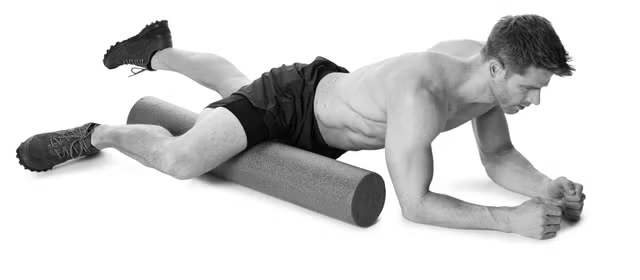
Lie face down, placing the roller under your quads (thighs). Support yourself on your forearms and roll from your hip to just above your knee. For your IT band, lie on your side, supporting yourself on one elbow, and roll the outer thigh from your hip to above your knee. This can be intense, so start gently!
Glutes & Piriformis
Sit on the roller with one hand on the floor behind you. Cross one ankle over the opposite knee. Lean into the glute of the crossed leg and gently roll the area. This helps release tightness in the glutes and the often-troublesome piriformis muscle.
Upper Back & Shoulders
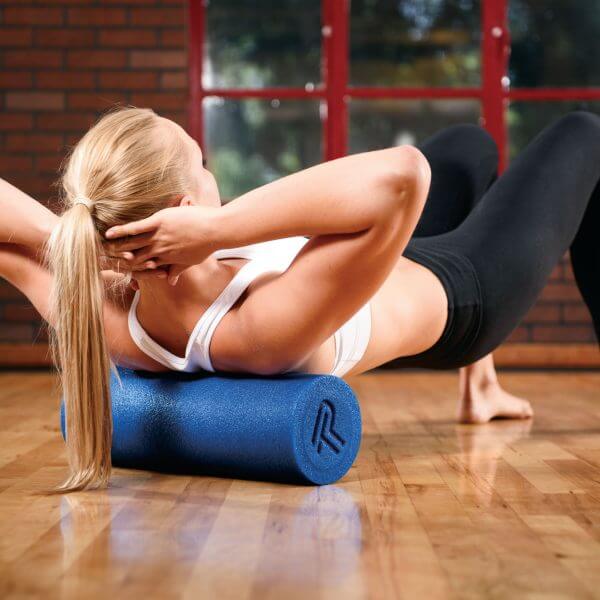
Lie on your back with the roller under your upper back, hands behind your head for neck support. Lift your hips slightly and roll slowly from your mid-back to your shoulders. Avoid rolling directly on your lower back.
Neck
Using a smaller, firmer roller or a specialized massage ball (sometimes included with travel foam roller sets), gently place it at the base of your skull or just below your neck. Slowly nod your head or turn it side to side to release tension.
“A travel foam roller is more than just a piece of equipment; it’s an investment in your well-being on the road,” advises Dr. Elena Petrova, a leading physical therapist specializing in travel wellness. “It empowers you to take control of muscle recovery, turning potentially uncomfortable journeys into opportunities for self-care.”
Tips for Effective Foam Rolling While Traveling
To get the most out of your travel foam roller, keep these pointers in mind:
- Start Gently: Especially if you’re new to foam rolling or your muscles are particularly tight from travel, begin with lighter pressure and gradually increase as your body adapts.
- Listen to Your Body: Pain is a signal. While some discomfort is normal during foam rolling, sharp or shooting pain means you should stop and adjust your position or technique.
- Stay Hydrated: Drinking plenty of water helps your muscles stay pliable and aids in the removal of waste products released during foam rolling.
- Consistency is Key: Even a few minutes a day can make a significant difference. Incorporate it into your morning routine or as part of your evening wind-down.
- Utilize Small Spaces: The beauty of a travel foam roller is its versatility. Use it in your hotel room, at the airport gate (if space permits discreetly!), or even a quiet corner of a common area.
Common Travel Foam Roller Mistakes to Avoid
While foam rolling is generally safe, avoiding these common pitfalls will enhance your experience and prevent potential discomfort:
- Rolling Too Fast: Rushing through the movements won’t give your muscles enough time to release tension. Remember, slow and controlled is the way to go.
- Holding Your Breath: This increases tension in your body. Focus on deep, steady breaths to promote relaxation and allow your muscles to soften.
- Targeting Joints Directly: Foam rollers are designed for muscles and fascia. Rolling directly over joints or bones can cause irritation or injury. Always position the roller on the muscle belly.
- Over-Rolling One Spot: While pausing on trigger points is good, spending too long on one painful area can bruise the muscle or cause inflammation. Move on after 20-30 seconds.
- Using the Wrong Firmness: A roller that’s too soft might not provide enough pressure, while one that’s too firm can be overly painful and counterproductive. Choose a firmness level appropriate for your body and experience.
Integrating Your Travel Foam Roller into Your Routine
Making your travel foam roller a seamless part of your journey is easier than you think:
- Pre-Travel Prep: A quick rolling session before a long flight or drive can prime your muscles, improve circulation, and reduce the likelihood of stiffness setting in.
- During Travel: Utilize layovers for a quick stretch and roll if you have a private spot. Upon arrival at your accommodation, make foam rolling one of the first things you do to decompress and release travel tension.
- Post-Trip Recovery: Don’t forget to keep rolling once you’re back home. This helps your body transition back to your usual routine and address any lingering tightness from your adventures.
Who Should (and Shouldn’t) Use a Travel Foam Roller?
Who should use a travel foam roller? Almost anyone who travels and wants to maintain their physical well-being! This includes:
- Business Travelers: Combat stiffness from long hours seated during flights and meetings.
- Athletes & Fitness Enthusiasts: Maintain peak performance and aid recovery while away from your usual gym setup.
- Adventurers & Backpackers: Essential for soothing sore muscles after hiking, exploring, and carrying heavy loads.
- Remote Workers: Great for relieving tension from prolonged sitting, even if your “travel” is just to a new co-working space.
- Anyone Prone to Muscle Stiffness: If you regularly experience tightness in your back, neck, or legs, a travel foam roller is a fantastic preventative and relief tool.
Who shouldn’t use a travel foam roller (or should exercise caution)? While generally safe, certain conditions warrant caution or medical advice:
- Acute Injuries: If you have a recent muscle tear, sprain, or bone fracture, avoid foam rolling the affected area.
- Chronic Pain Conditions: Individuals with conditions like fibromyalgia or severe osteoporosis should consult a doctor or physical therapist before using a foam roller.
- Circulatory Issues: If you have conditions like deep vein thrombosis (DVT) or varicose veins, seek medical advice first.
- Pregnancy: Consult with a healthcare professional before incorporating foam rolling into your routine during pregnancy.
Conclusion
The travel foam roller is far more than a miniature version of a gym staple; it’s your personal passport to continuous comfort and recovery, no matter how far your wanderlust takes you. From easing the stiffness of a red-eye flight to soothing tired muscles after a day of sightseeing, this compact powerhouse ensures that your body keeps pace with your adventurous spirit. It’s an empowering tool that puts self-care directly into your hands, literally. So, the next time you’re packing your bags, remember to make a little space for this essential companion. Your body will absolutely thank you for investing in on-the-go recovery, helping you stay mobile, strong, and ready for every single moment of your journey.