Ever woken up feeling like a tangled knot, or perhaps pushed a little too hard at the gym and now your muscles are screaming for relief? You’re not alone. Many of us experience those stubborn, tender spots in our muscles—what the pros call “trigger points.” These aren’t just minor aches; they’re literal knots within your muscle fibers that can restrict movement, cause pain, and hinder your recovery. But what if I told you there’s a simple, effective, and empowering tool that can help you iron out those kinks and get you moving freely again? Enter the Trigger Point Foam Roller.
This isn’t just another piece of gym equipment; it’s your personal, on-demand deep-tissue masseuse, ready to transform your muscle recovery and overall well-being. By understanding how to properly wield this seemingly simple cylinder, you can unlock a world of benefits, from enhanced flexibility to a significant reduction in post-workout soreness. Let’s dive in and unravel the power of the trigger point foam roller.
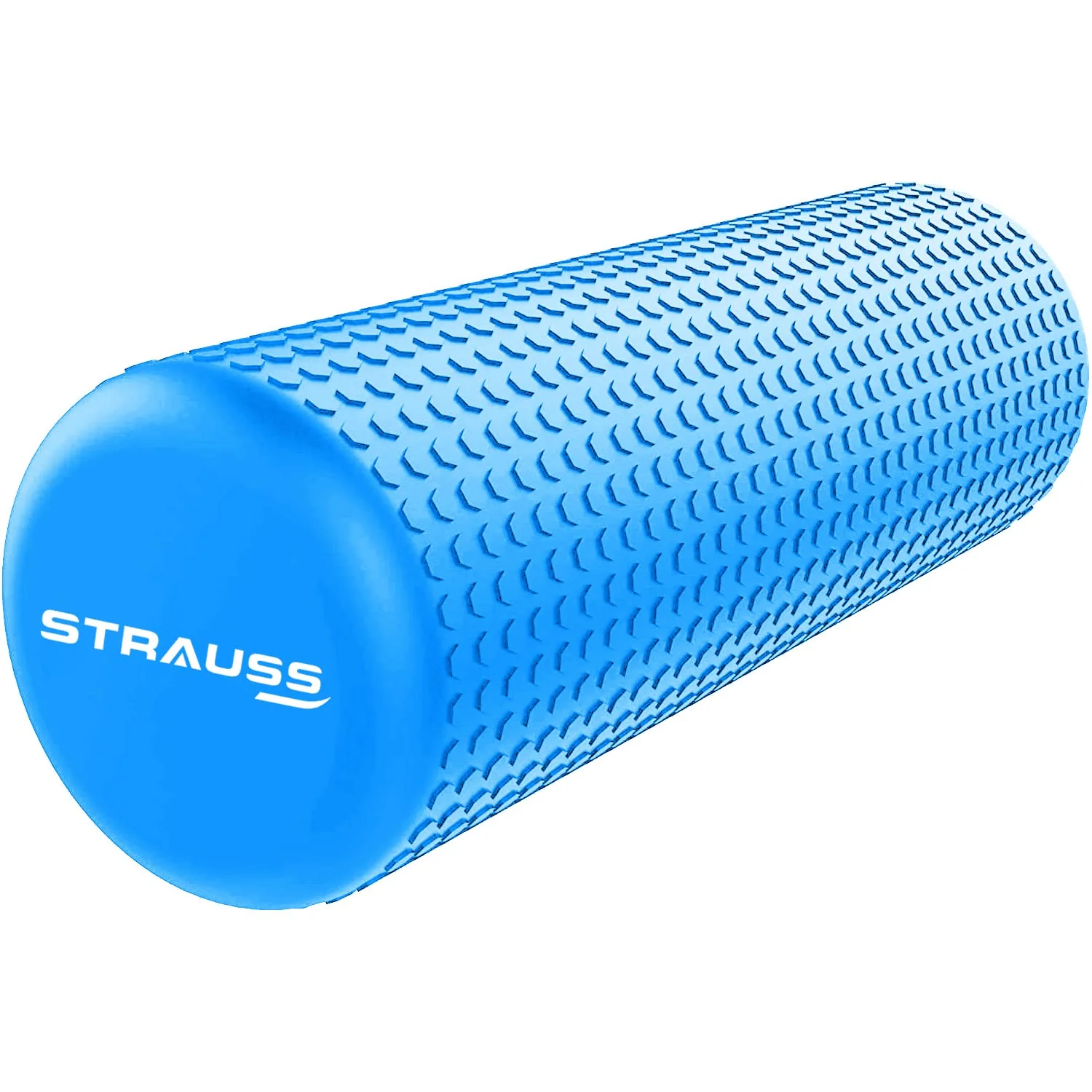
What Exactly is a Trigger Point Foam Roller?
At its core, a trigger point foam roller is a cylindrical tool designed for self-myofascial release (SMR). “Myofascial” refers to the fascia, a web-like connective tissue that surrounds and interpenetrates muscles, bones, nerves, and organs. Think of fascia as a continuous, internal saran wrap for your entire body; when it’s healthy, everything moves smoothly.
However, stress, overuse, trauma, or prolonged postures can cause this fascia to stiffen and adhere together, forming what we know as “trigger points.” These small, hyper-irritable spots within a taut band of muscle tissue can create localized pain, or even refer pain to other areas of your body. A trigger point foam roller, often textured with bumps or ridges, is specifically engineered to apply targeted pressure to these adhesions. This pressure signals your brain to relax the muscle, increasing blood flow, and helping to break up those “speed bumps” in your muscles, effectively smoothing out the fascia and releasing built-up tension.
The Myriad Benefits of Embracing Trigger Point Foam Rolling
Integrating a trigger point foam roller into your routine can be a game-changer, offering a host of advantages that extend far beyond simple muscle relief.
Relieves Muscle Tension and Knots
Trigger points are notorious for causing stiffness and discomfort. By applying direct pressure, the foam roller helps to physically smooth out those painful knots, releasing the chronic tension that can accumulate from daily activities or intense workouts. This process often feels like a “good hurt,” as you work through the adhesions.
Improves Blood Flow and Circulation
When you roll over a tight spot, you’re not just breaking up knots; you’re also stimulating blood flow to that specific area. Increased circulation brings vital oxygen and nutrients to the muscle tissue, which is crucial for repair and recovery, while also flushing out metabolic waste products that contribute to soreness.
Boosts Range of Motion and Flexibility
Tight muscles directly limit your body’s ability to move through its full range. By releasing trigger points and improving muscle elasticity, foam rolling can significantly enhance your flexibility and overall mobility. This means better performance in sports, easier everyday movements, and a reduced risk of injury.
Reduces Post-Workout Soreness (DOMS)
Delayed Onset Muscle Soreness (DOMS) is that familiar ache a day or two after an intense workout. Foam rolling can help mitigate DOMS by promoting circulation and reducing inflammation in fatigued muscles, accelerating the recovery process and getting you back to training sooner.
Provides Localized Pain Relief
Whether it’s a tight spot in your shoulder from sitting at a desk or a grumpy piriformis after a long run, a trigger point foam roller can provide almost instantaneous, localized pain relief. The targeted pressure helps to calm the overactive muscle fibers, easing discomfort where you need it most.
Aids in Injury Prevention and Recovery
By maintaining healthy, pliable muscle tissue and improving range of motion, regular foam rolling helps prevent many common overuse injuries. For those recovering from injury, it can be a vital tool in the rehabilitation process, provided it’s used under guidance.
An Empowering Tool for Self-Care
Perhaps one of the most underrated benefits is the empowerment it offers. You don’t always need a masseuse or therapist to address your muscle tightness. The foam roller puts the power of deep tissue massage directly in your hands, allowing you to take control of your body’s recovery and maintenance.
Understanding Types of Foam Rollers and Materials
Foam rollers aren’t one-size-fits-all. The market offers a variety to cater to different needs and preferences.
Num
Product
Action
1
Yes4All High-Density EPP Round Back Roller Foam, Exercise Foam Roller for Yoga, Pilates & Stretching - 12, 18, 24, 36 inch

2
Foam Roller Set - High Density Back Roller, Muscle Roller Stick,2 Foot Fasciitis Ball, Stretching Strap, Massager Ball for Whole Body Physical Therapy & Exercise, Yoga, Back Pain, Leg, Deep Tissue
3
TriggerPoint Grid 1.0 Foam Roller - 13\" Multi-Density Massage Roller for Deep Tissue & Muscle Recovery - Relieves Tight, Sore Muscles & Kinks, Improves Mobility & Circulation - Targets Key Body Parts
4
Amazon Basics High Density Foam Roller
5
High Density Foam Roller Massager for Deep Tissue Massage of The Back and Leg Muscles - Self Myofascial Release of Painful Trigger Point Muscle Adhesions - 13\" Blue
6
Amazon Basics High Density Foam Roller
7
Amazon Basics High Density Foam Roller
8
Day 1 Fitness High Density Foam Roller – Deep Tissue Muscle Massage & Myofascial Release for Recovery, Physical Therapy, Exercise & Pain Relief – Multiple Sizes & Colors
9
321 Strong Foam Roller - Medium Density Deep Tissue Massager for Muscle Massage and Myofascial Trigger Point Release, with 4K eBook
10
Amazon Basics High Density Foam Roller
Smooth vs. Textured/Bumpy Rollers
- Smooth Foam Rollers: These are often the standard and a great starting point for beginners. They provide a more even, broad pressure across a larger surface area, making them suitable for general muscle soreness and a less intense massage.
- Textured/Bumpy Foam Rollers: This is where the “trigger point” aspect really shines. Rollers with knobs, ridges, or wave-like patterns are designed to “dig in” deeper to specific trigger points and myofascial adhesions. The varied surface mimics the thumbs and elbows of a massage therapist, allowing for more concentrated intensity. These are often preferred by athletes or those seeking a more profound release.
Density Matters
- Low-Density (Softer) Rollers: Ideal for beginners, individuals with sensitive muscles, or those recovering from an intense workout where deep pressure might be too much. They offer a gentler release.
- Firm/High-Density Rollers: For experienced users or athletes who require a more intense, deeper myofascial release. The firmer the roller, the more concentrated the pressure.
Length and Size
- Long Rollers (36 inches): Excellent for broader areas like the back, or for stability when rolling both legs simultaneously.
- Short Rollers (12-18 inches): More portable and easier to maneuver, making them great for targeting specific areas like a single quad or armpit muscles.
- Massage Balls (e.g., lacrosse balls, specialized trigger point balls): While not foam rollers, these are crucial for comparison. They offer pinpoint precision for very small, deep, or hard-to-reach trigger points that a larger roller might miss, such as glutes, hips, or feet.
“Choosing the right foam roller is like selecting the perfect tool for a specific job,” explains Dr. Anya Sharma, a leading sports physiotherapist. “A textured, firm roller is excellent for deep-seated knots, but a softer, smoother one can be more appropriate for sensitive areas or beginners. Listen to your body and adjust accordingly.”
How to Effectively Use Your Trigger Point Foam Roller
Using a trigger point foam roller isn’t about aimless rolling. Precision and patience are key.
General Guidelines for Effective Foam Rolling
- Locate the “Hot Spot”: Slowly roll across the target muscle until you find a tender spot – that “hurts so good” sensation. This indicates a trigger point.
- Apply Sustained Pressure: Once you find a trigger point, stop rolling. Lower your body onto the roller until you reach a point of discomfort, but not sharp pain. Hold this position for 10-30 seconds, or until you feel the tension diminish.
- Slow and Controlled Movements: Avoid quick, jerky motions. Roll slowly, about one inch per second, allowing your body to adapt to the pressure and giving the muscle time to release.
- Breathe Deeply: Focus on deep, steady breaths. This helps relax the muscles and reduces your body’s natural tendency to tense up under pressure.
- Stay on the Muscle: Always avoid rolling directly over bones or joints (like your knees, elbows, or directly on your spine). Keep the pressure focused solely on the muscle tissue.
- Stay Hydrated: Drinking plenty of water after an SMR session can aid in flushing out metabolic waste and rehydrating tissues.
Detailed Guide for Key Muscle Groups
Here’s how to target common areas prone to trigger points:
Feet
- How: Place the foam roller (or a smaller massage ball) under your foot while seated or standing, applying moderate pressure. Slowly roll from your heel to your toes, focusing on any tender spots. Articulate your foot in circles on hot spots.
- Benefits: Relieves plantar fasciitis symptoms, improves foot mobility.
Calves
- How: Sit on the floor with one calf on the roller, the other leg bent for support. Use your hands to lift your hips. Slowly roll from just above your ankle to below your knee. Rotate your leg inward and outward to hit different calf muscles. For increased intensity, cross your other leg over the calf on the roller.
- Benefits: Alleviates tightness from running or prolonged standing.
Hamstrings
- How: Sit with the roller under your hamstrings. Roll from just above your knee to below your glutes. You can roll one hamstring at a time, or both, adjusting pressure with your hands.
- Benefits: Increases flexibility, reduces tightness common in athletes and desk workers.
Glutes & Piriformis
- How: Sit on the roller, shifting your weight onto one side. Cross the ankle of that side over your opposite knee. Roll around the gluteal area, focusing on the piriformis (near the hip joint), which can be a common source of sciatic-like pain.
- Benefits: Releases deep hip and glute tension, often associated with sitting.
Quadriceps
- How: Lie face down with the roller under your quads. Support your upper body on your forearms. Roll from above your knee to your hip flexors. You can rotate your hips slightly to target inner and outer quads.
- Benefits: Important for runners and those with knee pain.
IT Band & TFL (Tensor Fasciae Latae)
- How: Lie on your side with the roller just below your hip (TFL) or along the outer thigh (IT band). Support yourself with your forearms and opposite leg. Slowly roll from just below your hip to above your knee. This area can be very sensitive, so start gently.
- Benefits: Addresses tightness common in runners and cyclists, helps with “runner’s knee.”
Adductors (Inner Thighs)
- How: Lie face down, extend one leg out to the side with the roller under your inner thigh, perpendicular to your body. Roll from just above the knee to near the groin.
- Benefits: Improves hip mobility and flexibility, often overlooked.
Lats (Upper Back & Sides)
- How: Lie on your side with the roller under your armpit. Extend your arm. Roll from your armpit down to your mid-torso. Lean forward or backward to deepen the pressure.
- Benefits: Releases tension from overhead activities or poor posture.
Mid-Back (Thoracic Spine)
- How: Lie on your back with the roller under your mid-back, perpendicular to your spine. Cross your arms over your chest or interlace hands behind your head to expose muscles around the spine. Lift your hips slightly and slowly roll up and down from the base of your rib cage to your shoulders. Crucially, avoid rolling on your lower back (lumbar spine) directly, as this can put too much pressure on the vertebrae.
- Benefits: Improves spinal mobility and reduces stiffness caused by prolonged sitting.
Tips for Maximizing Your Foam Rolling Session
To truly make the most of your trigger point foam roller, consider these practical tips:
- Integrate it Regularly: Consistency beats intensity. Aim for 5-10 minutes a few times a week, rather than one long, painful session every month.
- Pre and Post-Workout: Use it as part of your warm-up to prepare muscles for activity and as part of your cool-down to aid in recovery and reduce soreness.
- Listen to Your Body: Discomfort is normal; sharp or radiating pain is a warning sign. Never push through pain that feels wrong or makes you grimace excessively. Start with lighter pressure and gradually increase as your body adapts.
- Combine with Stretching: Foam rolling and stretching are a powerful duo. Rolling releases knots and improves blood flow, while stretching lengthens the now-released muscle, enhancing overall flexibility.
- Seek Professional Advice: If you have chronic pain, an injury, or underlying medical conditions, consult a physical therapist or healthcare professional before starting a new foam rolling routine.
Who Should Use a Trigger Point Foam Roller?
This versatile tool is beneficial for a wide array of individuals:
- Athletes and Fitness Enthusiasts: For pre-workout warm-ups, post-workout recovery, and ongoing maintenance to enhance performance and prevent injuries.
- Desk Workers: To counteract the effects of prolonged sitting, which often leads to tight hips, glutes, and upper back.
- Individuals with Muscle Tightness: Anyone experiencing chronic stiffness or muscle knots from daily activities, stress, or repetitive movements.
- Those Seeking Improved Mobility: People looking to enhance their flexibility, range of motion, and overall body awareness.
Who Should Be Cautious or Avoid?
While generally safe, there are instances where caution is advised:
- Certain Medical Conditions: Individuals with congestive heart failure, kidney conditions, osteoporosis, severe varicose veins, or bleeding disorders should consult a doctor before foam rolling.
- Acute Injuries: Avoid rolling directly over acute injuries, open wounds, or recent surgical sites.
- Severe Pain: If foam rolling causes intense, sharp, or worsening pain, stop immediately and seek medical advice.
- Pregnancy: Pregnant individuals should consult their doctor before starting or continuing foam rolling, especially concerning abdominal or lower back areas.
Frequently Asked Questions (FAQ)
How often should I foam roll?
For best results, aim for 2-3 times a week, or more frequently if you have specific areas of tightness or soreness. Many integrate it into their routine before or after workouts, or on rest days.
Can foam rolling replace stretching?
No, foam rolling and stretching are complementary. Foam rolling helps to release muscle knots and improve blood flow, making the muscles more receptive to stretching, which then focuses on lengthening the muscle fibers and improving overall flexibility.
How long should I hold pressure on a trigger point?
Hold pressure on a tender spot for 10-30 seconds, or until you feel the tension diminish. Avoid holding for longer than 1-2 minutes on a single spot.
Is it normal for foam rolling to hurt?
Yes, it’s often described as a “hurts so good” sensation. You should feel discomfort, but it should not be excruciating or sharp pain. If the pain is too intense, reduce the pressure or switch to a softer roller.
What’s the difference between a bumpy and smooth foam roller?
A smooth foam roller provides broad, even pressure, ideal for general soreness. A bumpy or textured roller, specifically designed for trigger points, offers more targeted, intense pressure to dig deeper into knots and adhesions, mimicking a deep tissue massage.
Embrace the Power of Self-Care
The trigger point foam roller is more than just a piece of equipment; it’s an invitation to a deeper understanding and appreciation of your body. By consistently engaging in this powerful form of self-myofascial release, you’re not just treating muscle soreness; you’re actively investing in your mobility, flexibility, recovery, and overall well-being. So, grab your roller, tune into your body, and unlock the incredible potential for movement and comfort that lies within you. Your muscles will thank you!