Are you tired of muscle soreness sidelining your progress, or stiff joints limiting your movement? If you’ve ever rolled out a knot with a traditional foam roller, you know the sweet relief it can bring. But what if you could multiply that effectiveness, making your recovery faster, deeper, and even more comfortable? Enter the Vyper Vibrating Foam Roller, a game-changer in the world of self-myofascial release that takes your bodywork to an entirely new level.
As your trusted advisor in all things foam rolling, I’m here to illuminate how this innovative tool, pioneered by Hyperice, is redefining what’s possible for athletes, fitness enthusiasts, and anyone seeking enhanced mobility and rapid recovery. Forget just rolling; with the Vyper, you’re about to experience the power of vibration directly targeting your tightest spots.
What Exactly is a Vyper Vibrating Foam Roller?
At its core, the Vyper vibrating foam roller is an evolution of the traditional foam roller, engineered by Hyperice to infuse high-intensity vibration into your self-massage routine. While basic foam rollers rely solely on your body weight to apply pressure and release tension, the Vyper adds a dynamic element: powerful, therapeutic vibration. This isn’t just a fancy gimmick; it’s a carefully designed technology that significantly enhances the benefits of foam rolling.
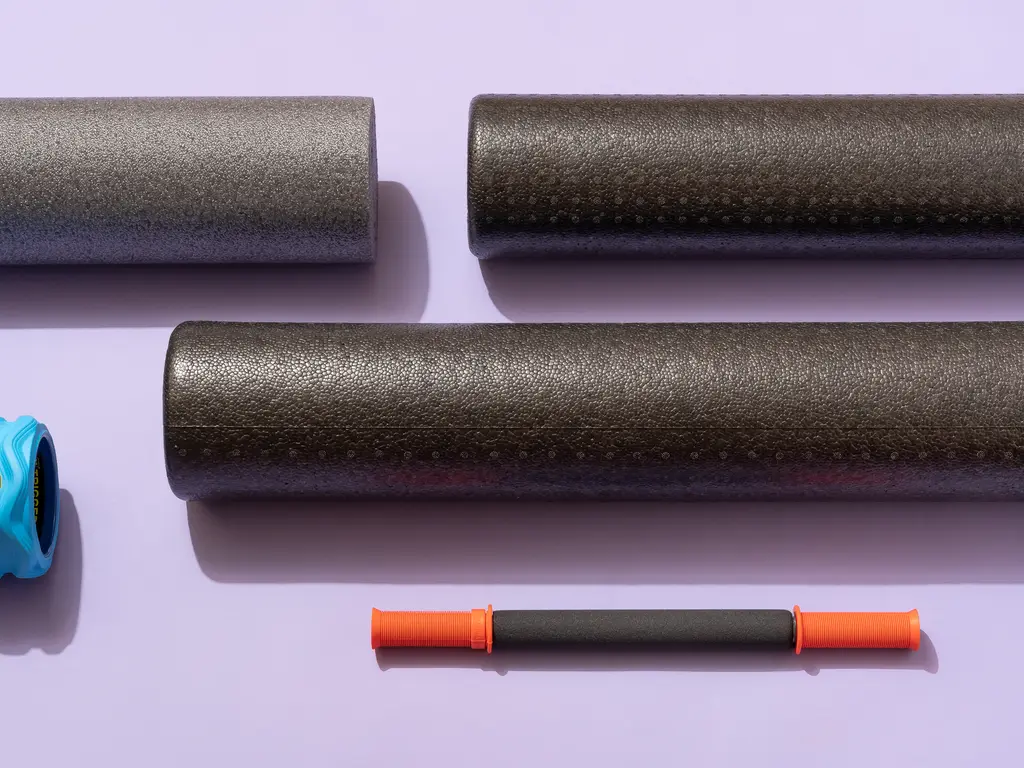
The Vyper models, such as the popular Vyper 2.0 and the more portable Vyper Go, are built with a high-performance, air-injected polypropylene shell. This firm yet responsive material is crucial for effectively transferring the vibrations deep into your muscles. Inside, a powerful rechargeable lithium-ion battery fuels a motor that delivers three distinct vibration frequency levels. These levels allow you to customize the intensity of your massage, from a gentle hum to a deep, penetrating buzz, helping you target specific areas with precision and comfort.
Consider the incredible engineering behind these devices, designed to offer unparalleled muscle relief and warm-up benefits.
Why Vibration Matters: Beyond Traditional Foam Rolling
Many people are familiar with the concept of foam rolling for myofascial release—breaking up adhesions in the fascia, the connective tissue that envelops your muscles. However, the addition of vibration, as found in the Vyper vibrating foam roller, supercharges this process.
Enhanced Myofascial Release and Fascial Hydration
The body’s muscular system relies heavily on a complex network of fascia, which dictates how we move, our perception of pain, and overall muscle functionality. While a standard foam roller applies mechanical pressure, the Vyper’s vibration helps to loosen and lengthen this connective tissue more effectively. The oscillations create a shearing force that can penetrate deeper into the fascia, encouraging better hydration and elasticity, which is essential for healthy movement.
Significantly Increased Flexibility and Range of Motion
One of the most compelling advantages of the Vyper vibrating foam roller is its ability to dramatically increase flexibility and range of motion (ROM). Studies and user experiences consistently show that vibrating foam rollers are far more effective than their non-vibrating counterparts. While traditional foam rolling can increase your ROM by around 18%, incorporating the Vyper can boost that increase up to a remarkable 40%. This means greater freedom of movement, better athletic performance, and reduced risk of injury.
Improved Circulation and Blood Flow
Vibration therapy is renowned for its ability to stimulate blood flow. When you use the Vyper vibrating foam roller, the pulsating action actively promotes increased circulation to the targeted areas. This influx of oxygen-rich blood and nutrients is vital for preparing muscles before activity (warming up) and flushing out metabolic waste products afterward (recovery). As Dr. Elena Petrova, a Sports Rehabilitation Specialist, often notes, “Optimal blood flow is the bedrock of muscle health, and the Vyper roller is like an internal express lane for your circulatory system, delivering what your muscles need, precisely when they need it.”
Reduced Soreness and Quicker Recovery
For anyone who trains hard, delayed onset muscle soreness (DOMS) is an unwelcome companion. The Vyper vibrating foam roller excels at mitigating this. By increasing circulation and enhancing myofascial release, it helps to reduce muscle soreness and stiffness much more quickly than conventional methods. This means you spend less time feeling achy and more time performing at your best, making it an invaluable tool for post-activity restoration and getting you back to your next workout sooner.
The “Less Painful” Deep Tissue Work
Let’s be honest, traditional foam rolling can sometimes feel like a necessary evil—effective, but often intensely uncomfortable. Many users report that the Vyper vibrating foam roller provides similar deep tissue benefits with significantly less discomfort. The vibration seems to distract the nervous system and help the muscles relax, allowing for deeper penetration without the usual wincing. “It’s a game-changer for those sensitive spots,” remarks Dr. Petrova. “You can work into tight areas that would normally be too painful with a static roller, allowing the vibration to do the heavy lifting in releasing tension.”
Types of Vyper Rollers and Materials
Hyperice offers a couple of prominent models in its Vyper line, each designed to meet slightly different needs while maintaining core performance.
- Vyper 2.0: This is the classic, high-performance vibrating foam roller. It’s known for its robust motor, long battery life, and firm, high-density polypropylene shell. The material is crucial as it efficiently transfers the powerful vibrations directly into your muscles without absorbing too much energy, ensuring maximum effectiveness.
- Vyper Go: Designed with portability in mind, the Vyper Go offers a more compact form factor, making it ideal for travel and on-the-go recovery. It maintains the core vibrating technology and benefits, often being TSA-approved for carry-on luggage.
Both models prioritize durability and user experience, built to withstand rigorous use and deliver consistent results. The choice between them often comes down to your primary use case – a stationary recovery hub or a portable powerhouse.
Unlocking Your Potential: How to Use the Vyper Vibrating Foam Roller
Integrating the Vyper into your routine is straightforward, but a few nuances ensure you get the most out of its vibrating power.
General Principle: It’s often more effective to get into position on the roller before turning on the vibration. This prevents the roller from “jumping around” and allows you to find your sweet spot.
Targeted Muscle Groups:
Here’s how to tackle common areas with your Vyper vibrating foam roller:
- Upper Back (Thoracic Spine):
- Sit on the floor with knees bent, feet flat. Place the Vyper under your upper back, just above your lower ribs.
- Cross your arms over your chest or place hands behind your head to support your neck.
- Lift your hips slightly and slowly roll up and down your upper back.
- Vyper Tip: For a particularly tight spot, stop rolling, lower your hips slightly to apply pressure, and let the vibration work its magic for 30-60 seconds.
- Hamstrings:
- Sit on the floor and place the Vyper under one hamstring. Use your hands for support.
- Roll slowly from just above the knee to below the glutes.
- Vyper Tip: Rotate your leg slightly inward and outward to hit different muscle fibers. A static hold on a tender spot will allow the vibration to really penetrate.
- Glutes/Piriformis:
- Sit directly on the Vyper, placing it under one glute. Cross the leg on the side you’re rolling over your opposite knee.
- Lean slightly into the glute you’re targeting.
- Gently roll or simply hold still, allowing the vibration to deeply massage the area.
- Vyper Tip: This is an excellent area for static holds; the vibration can provide significant relief for piriformis tightness or sciatica-like symptoms without intense rolling pain.
- Calves:
- Sit with the Vyper under your calves. You can place both calves on it or stack one leg over the other for increased pressure.
- Roll slowly from your Achilles tendon up to just below your knee.
- Vyper Tip: Point and flex your foot, or rotate your ankle side to side while vibrating to get deeper into the muscle.
- Quadriceps:
- Lie face down, propped on your forearms, and place the Vyper under your quads.
- Roll slowly from just above the knee to your hip flexors.
- Vyper Tip: Turn your leg slightly inward or outward to target different parts of the quad. If you find a particularly tight area, pause and let the vibration work for 30 seconds.
The “Static Hold vs. Rolling” Technique
While you can certainly roll back and forth with the Vyper, many users find immense benefit from a “static hold” approach, especially with the added vibration. Instead of constant movement, position the Vyper on a tender spot, apply consistent pressure (by adjusting your body weight), and simply let the vibration oscillate for 30-90 seconds. This allows the deep tissue effects of the vibration to penetrate without the mechanical friction of rolling, often leading to a more comfortable and effective release.
Expert Tips for Maximizing Your Vyper Experience
To truly unlock the full potential of your Vyper vibrating foam roller, keep these expert tips in mind:
- Start Gentle: Always begin with the lowest vibration setting. As your muscles adapt and you become more accustomed to the sensation, you can gradually increase the intensity.
- Listen to Your Body: Pain is your body’s alarm system. While some discomfort is expected during deep tissue work, sharp or radiating pain is a sign to stop or adjust your position. The goal is therapeutic relief, not agony.
- Hydration is Key: Foam rolling helps move fluids through your fascia. Staying well-hydrated before and after your sessions can enhance the effectiveness of myofascial release.
- Consistency is Your Ally: Regular, even short, sessions are far more beneficial than sporadic, intense ones. Aim for 5-15 minutes a few times a week, or even daily, to maintain muscle health.
- Integrate Into Your Routine: Use the Vyper vibrating foam roller as part of your warm-up to increase circulation and prepare muscles, or during cool-down to aid recovery and reduce soreness. It’s also fantastic for a quick mobility boost after a long day at a desk.
Common Mistakes to Avoid
Even with such an effective tool, improper use can diminish its benefits or even lead to discomfort. Avoid these common pitfalls:
- Rolling Too Fast: Rushing through your session won’t allow the vibration or pressure enough time to adequately release muscle tension. Slow and controlled movements are key.
- Spending Too Long on One Spot (Improperly): While static holds are effective for specific knots, continuously lingering on one spot with excessive pressure on sensitive areas like nerve bundles or bony prominences can cause irritation.
- Using It Directly on Joints: The Vyper is designed for muscle and fascia. Avoid rolling directly over joints like your knees, elbows, or directly on your spine (especially the lower back) without proper guidance. Focus on the muscle bellies.
- Ignoring Discomfort vs. Pain: Differentiating between therapeutic discomfort (the “good pain” of releasing a knot) and actual sharp pain is crucial. If it hurts beyond a manageable level, back off.
Integrating the Vyper into Your Fitness Routine
The versatility of the Vyper vibrating foam roller makes it an indispensable tool for every phase of your fitness journey.
Dynamic Warm-up (Pre-Activity)
Before your workout, a 5-10 minute session with the Vyper can dramatically improve your warm-up. The vibration increases blood flow and prepares your muscles for activity, enhancing your range of motion and reducing the risk of injury. Target major muscle groups you’ll be using in your workout to ensure they are primed and ready. “I see a significant difference in my clients’ performance when they incorporate the Vyper into their pre-workout routine,” shares Dr. Petrova. “Their muscles are more pliable, and their movements are more fluid.”
Post-Workout Recovery
After a strenuous session, the Vyper becomes your best friend for recovery. Its ability to flush metabolic waste, increase circulation, and soothe muscle stiffness helps accelerate the healing process. Focus on the muscle groups you’ve worked most intensely. Regular post-workout Vyper sessions can significantly reduce DOMS and help maintain your hard-earned flexibility.
Daily Mobility & Maintenance
Beyond workouts, the Vyper is perfect for daily maintenance. Long hours at a desk can lead to stiff hips, tight shoulders, and a rigid back. A quick 10-minute session in the morning or evening can combat these effects, improving posture and overall body awareness. It’s an investment in your long-term physical well-being.
Who Can Benefit, and Who Should Be Cautious?
The Vyper vibrating foam roller is a powerful tool, but like any intensive therapy, it’s not for everyone without consideration.
Who Can Benefit?
- Athletes & Fitness Enthusiasts: For those serious about performance and recovery, the Vyper offers an edge in warming up, preventing injuries, and accelerating muscle repair. Elite professional athletes often use these devices.
- Individuals with Chronic Stiffness or Tightness: If you constantly battle tight hamstrings, a stiff upper back, or aching hips, the Vyper can provide significant relief and improved mobility.
- Desk Workers & Those with Sedentary Lifestyles: Combat the negative effects of prolonged sitting by using the Vyper to release tension in the back, hips, and shoulders.
- Anyone Seeking Enhanced Flexibility: If increasing your range of motion is a goal, the Vyper’s documented ability to boost flexibility is a major advantage.
Who Should Be Cautious?
While generally safe, certain conditions warrant caution or consultation with a medical professional before using the Vyper vibrating foam roller:
- Acute Injuries: Avoid using the Vyper directly on fresh bruises, open wounds, or acute muscle tears without a doctor’s clearance.
- Certain Medical Conditions: Individuals with conditions like osteoporosis, deep vein thrombosis, advanced diabetes, severe circulatory issues, or recent surgeries should consult their doctor.
- Pregnancy: Pregnant individuals should seek medical advice before using vibration therapy.
- Pain Beyond Discomfort: As mentioned, if you experience sharp, shooting, or radiating pain, discontinue use and consult a healthcare provider.
Frequently Asked Questions (FAQ)
Is the Vyper vibrating foam roller worth the investment?
For many, absolutely. While it’s a premium product, often priced around $200-$300, its ability to significantly enhance flexibility, accelerate recovery, and provide deeper, less painful myofascial release often justifies the cost, especially for active individuals or those seeking serious relief from chronic tightness.
How long should I use the Vyper for?
Typically, 30-90 seconds per muscle group is sufficient. Total session times can range from 5-15 minutes, depending on your needs and the number of areas you’re targeting. For static holds on specific knots, 30-60 seconds is usually effective.
Can I use the Vyper vibrating foam roller every day?
Yes, many people use their Vyper daily, particularly for warm-ups, post-workout recovery, or to address daily stiffness. Listen to your body and adjust frequency and intensity based on how you feel.
What’s the difference between the Vyper 2.0 and Vyper Go?
The primary difference is size and portability. The Vyper 2.0 is the full-sized, powerful roller, while the Vyper Go is a more compact, travel-friendly version that still delivers significant vibration therapy, often being TSA-approved. Both offer three vibration speeds.
Is the Vyper vibrating foam roller loud?
While the Vyper produces a noticeable hum due to its powerful motor and vibration, it’s generally not considered excessively loud. The sound is a byproduct of its effective vibration technology.
Embrace the Vibrating Edge for Ultimate Recovery
The Vyper vibrating foam roller is more than just another piece of fitness equipment; it’s a sophisticated tool designed to revolutionize your approach to muscle recovery, flexibility, and overall well-being. By combining targeted pressure with high-intensity vibration, it offers a deeper, more efficient, and often more comfortable way to release tension, increase circulation, and unlock your body’s full potential.
Whether you’re an elite athlete striving for peak performance or someone simply looking to alleviate everyday aches and improve your movement, the Vyper is an investment in your body that truly pays dividends. Don’t just roll; vibrate your way to a stronger, more flexible, and more resilient you. Your muscles will thank you.