Are you looking to deepen your yoga practice, enhance flexibility, and find new ways to release tension? If so, the Yoga Foam Roller might just be your new best friend. Far from being just another piece of fitness equipment, this versatile tool can revolutionize how you approach stretching, recovery, and even your asanas. It’s about bringing a mindful, self-massage approach to your mat, allowing you to unlock tighter areas and move with greater ease and awareness.
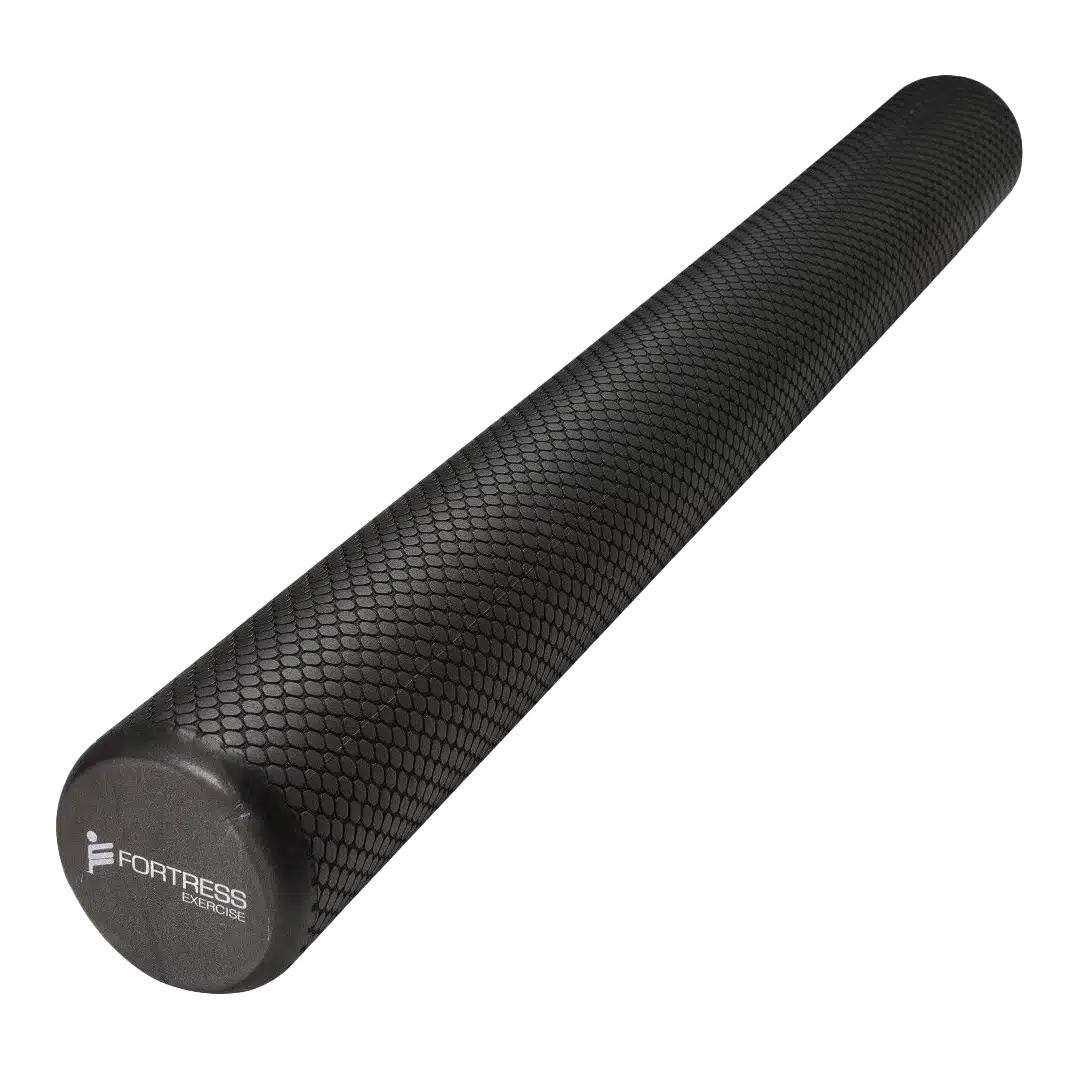
What is a Foam Roller and How Did it Begin?
At its core, a foam roller is a cylindrical piece of dense foam used for self-myofascial release (SMR). Myofascial release is a fancy term for self-massage techniques that help relieve muscle tightness, soreness, and inflammation, and increase joint range of motion. Think of it as giving your muscles a deep tissue massage right in your own home.
The concept of using tools for self-massage isn’t new, with roots in various ancient healing practices. However, the modern foam roller as we know it gained prominence in the fitness and rehabilitation world in the late 20th and early 21st centuries. Initially, it was a secret weapon for athletes and physical therapists to aid in recovery and prevent injuries. Over time, as its benefits for flexibility and muscle health became widely recognized, it naturally found its way into mainstream fitness and, increasingly, into yoga studios and home practices. Its journey from a niche athletic tool to a yoga accessory highlights a growing understanding of the body’s interconnectedness and the importance of preparing and recovering muscles for mindful movement.
Types of Foam Rollers and Their Materials
Just like there’s a yoga mat for every yogi, there’s a foam roller for every need. Understanding the different types and materials will help you choose the best yoga foam roller for your practice.
Density Matters
- Soft/Low-Density Rollers: These are often white or lighter colors and offer a gentler massage. They are perfect for beginners, those with sensitive muscles, or people seeking very light myofascial release. If your goal is primarily relaxation and gentle stretching, a soft roller is an excellent choice.
- Medium-Density Rollers: Commonly blue or black, these are the most popular and versatile choice. They provide a firm but not overly aggressive massage, suitable for most users looking for general muscle relief and flexibility improvements. This is a great all-rounder for a balanced yoga practice.
- Firm/High-Density Rollers: Often black or darker colors, these rollers are very rigid. They are best for experienced users, athletes, or those with very dense muscle tissue who require intense pressure to release deep knots and trigger points. Be mindful when using these, as too much pressure can sometimes be counterproductive if your muscles are not accustomed to it.
Surface Textures
- Smooth Rollers: These are the simplest and most common type, offering uniform pressure across the muscle. They are excellent for general muscle soreness and for covering larger muscle groups.
- Textured/Gridded Rollers: These rollers feature knobs, ridges, or a “grid-like” pattern designed to mimic the fingers, thumbs, and palms of a massage therapist. They can target specific trigger points more intensely and provide a deeper tissue massage. While effective, they can be more intense, so start with caution.
Shapes and Sizes
- Standard Full-Size Rollers (36 inches): These are great for rolling out your entire back, both legs simultaneously, and offer stability. They are the most common for comprehensive body work.
- Half-Size Rollers (18 inches or less): More portable and excellent for travel. They are also useful for more targeted areas like calves, arms, or for balance work.
- Smaller/Targeted Rollers (6 inches or less, often with texture): These might include massage sticks or smaller, highly textured rollers specifically designed for feet, neck, or other small, tight areas.
The material typically used for foam rollers is EVA (ethylene-vinyl acetate) foam, known for its durability and ability to retain its shape even with consistent use. Some higher-end rollers might use more eco-friendly or performance-specific materials, but EVA is the industry standard for its balance of cost, longevity, and effectiveness.
Benefits of Using a Yoga Foam Roller
Incorporating a yoga foam roller into your routine can bring a wealth of benefits, transforming not just your physical practice but also your overall well-being.
Enhanced Flexibility and Range of Motion
One of the primary reasons yogis turn to foam rolling is its remarkable ability to improve flexibility. By applying pressure to tight muscles and fascia, the roller helps break down adhesions and encourages better circulation, allowing tissues to lengthen more effectively. This means deeper forward folds, more expansive backbends, and greater ease in all your poses.
Reduced Muscle Soreness and Faster Recovery
Whether you’ve just powered through a challenging vinyasa flow or are feeling the after-effects of a strenuous workout, foam rolling can significantly reduce post-exercise muscle soreness (DOMS). It flushes out metabolic waste products like lactic acid and brings fresh, oxygenated blood to the muscles, accelerating the recovery process.
Improved Circulation
The rhythmic compression and release provided by foam rolling acts like a pump, boosting blood flow throughout the body. Better circulation means more efficient delivery of nutrients to your muscles and faster removal of waste, contributing to healthier tissues and a vibrant glow.
Stress Relief and Relaxation
Just like a good massage, foam rolling can be incredibly relaxing. The focused pressure on tense areas helps release physical tension, which in turn can alleviate mental stress. Taking time for self-care with your roller can be a meditative practice in itself, helping you unwind and connect with your body.
Injury Prevention
By keeping muscles pliable and free of knots, foam rolling helps prevent common injuries such as strains, pulls, and imbalances. When your muscles and fascia are healthy and mobile, they are better equipped to handle the demands of movement, both on and off the mat.
Deeper Body Awareness
Using a foam roller forces you to tune into your body, identifying areas of tightness or tenderness you might not have noticed otherwise. This heightened awareness translates directly to your yoga practice, allowing you to approach poses with more intelligence, adjusting and modifying as needed to respect your body’s current state. As seasoned yoga instructor, Dr. Elara Vance, often says, “A foam roller is not just about physical release; it’s a tool for dialogue with your body, revealing where you hold tension and inviting you to let go.”
Detailed Guide: How to Use Your Foam Roller for Different Muscle Groups
Mastering the foam roller for yoga isn’t about brute force; it’s about mindful engagement and gentle exploration. Here’s how to target key muscle groups that often benefit from release in a yoga practice.
1. Calves (Gastrocnemius and Soleus)
- Setup: Sit on the floor with your legs extended. Place the foam roller under your calves.
- Action: Lift your hips, using your arms for support. Slowly roll from just above your ankles to just below your knees.
- Variations: To increase intensity, cross one leg over the other. Rotate your legs internally and externally to target different parts of the calf.
- Yoga Connection: Improves ankle flexibility for poses like Downward Dog and Warrior poses.
2. Hamstrings (Back of Thighs)
- Setup: Sit on the floor, placing the roller under your upper thighs.
- Action: Roll slowly from your glutes down towards the back of your knees.
- Variations: Cross one leg over the other to target one hamstring at a time for deeper pressure.
- Yoga Connection: Essential for deepening forward folds, standing splits, and lengthening the back of the legs.
3. Quadriceps (Front of Thighs)
- Setup: Lie face down with the roller under your hips/upper thighs. Support yourself on your forearms.
- Action: Roll slowly from your hips down towards your knees.
- Variations: Turn your toes in or out to target the inner and outer quad muscles.
- Yoga Connection: Releases tension that can restrict knee flexion and hip extension, beneficial for poses like Hero’s Pose or King Dancer.
4. Glutes (Buttocks)
- Setup: Sit on the roller. Place your hands behind you for support.
- Action: Shift your weight onto one side of your glutes, crossing the corresponding ankle over the opposite knee (figure-four stretch). Roll gently over the gluteal muscles.
- Variations: Experiment with the angle to find tender spots (piriformis).
- Yoga Connection: Improves hip external rotation and flexibility, crucial for pigeon pose and seated twists.
5. Upper Back (Thoracic Spine)
- Setup: Lie on your back with the roller placed horizontally under your upper back, just below your shoulder blades. Cross your arms over your chest or place hands behind your head to support your neck.
- Action: Lift your hips slightly and slowly roll up and down your thoracic spine, avoiding the lower back.
- Variations: Pause on a tender spot and take a few deep breaths.
- Yoga Connection: Enhances spinal mobility for backbends, twists, and improves posture. Avoid rolling directly on the lumbar spine (lower back).
6. Lats (Sides of Back)
- Setup: Lie on your side with the roller under your armpit, extending your arm overhead.
- Action: Roll slowly from your armpit down towards your rib cage.
- Variations: Lean slightly forward or backward to target different areas of the lats.
- Yoga Connection: Releases tension that can restrict overhead arm movements, important for Warrior I and inversions.
Tips and Common Mistakes When Using a Foam Roller
To get the most out of your yoga foam roller and avoid potential discomfort or injury, keep these tips in mind and steer clear of common pitfalls.
Tips for Effective Rolling
- Go Slow and Steady: Rushing through the movements won’t give your muscles enough time to release. Slow, deliberate rolls are more effective.
- Breathe Deeply: Just like in yoga, your breath is a powerful tool. Inhale as you roll into a tender spot, and exhale deeply as you allow the muscle to release.
- Find Your “Hot Spots”: When you encounter a particularly tight or tender spot (a “trigger point”), pause on it for 20-30 seconds. The discomfort should gradually decrease as the muscle relaxes. If the pain is sharp or radiating, move off the spot.
- Stay Hydrated: Drinking water before and after foam rolling can help with tissue hydration and toxin removal.
- Listen to Your Body: This is the golden rule of yoga, and it applies equally to foam rolling. Only go as deep as feels comfortable and beneficial.
Common Mistakes to Avoid
- Rolling Too Fast: As mentioned, speed reduces effectiveness and can even cause your muscles to tense up.
- Rolling Directly on Joints: Avoid placing the roller directly on your knees, hips, or shoulders. Focus on the muscle belly.
- Rolling Directly on Your Lower Back: The lumbar spine is designed to be stable, not mobile. Rolling directly on it can cause hyperextension and discomfort. Stick to the upper back (thoracic spine) and glutes.
- Holding Your Breath: This increases tension rather than releasing it. Conscious breathing is key.
- Ignoring Pain vs. Discomfort: Foam rolling can be uncomfortable, but it should not be sharply painful. If you experience intense, sharp, or shooting pain, stop immediately.
- Overdoing It: More isn’t always better. Start with 5-10 minutes per session, 2-3 times a week, and gradually increase as your body adapts. Excessive rolling can sometimes lead to bruising or inflammation.
Integrating the Foam Roller into Your Yoga Routine
The yoga foam roller isn’t meant to replace your yoga practice, but rather to enhance it. Here’s how you can weave it seamlessly into your routine:
1. Pre-Practice Warm-up
Before you even step onto your mat for your asana practice, a few minutes of foam rolling can prepare your body by increasing blood flow, awakening muscles, and releasing initial stiffness. Target areas like your hamstrings, quads, and upper back to improve your range of motion for poses to come. This can make your warm-up feel more effective and reduce the risk of injury during your flow.
2. During Your Practice (Modified Poses)
For certain poses, the foam roller can act as a prop, similar to blocks or blankets, to deepen a stretch or provide support.
- Spinal Extension: Lie on your back with the roller horizontally under your upper to mid-back. Gently drape your arms overhead for a supported heart opener, allowing gravity to gently extend your spine.
- Supported Savasana: Place the roller under your knees for extra lower back support in Savasana.
- Hip Flexor Release: Place the roller under one hip in a supported lunge position to gently release the hip flexor.
3. Post-Practice Cool-down and Recovery
This is where the foam roller truly shines. After your practice, use it to aid in muscle recovery, soothe any areas of tension, and reinforce the flexibility you’ve gained. Focus on areas that felt particularly engaged or tight during your yoga session. Spend a bit more time on your calves, quads, and glutes to help flush out any metabolic byproducts and encourage muscle repair. This post-yoga foam rolling can lead to less soreness the next day and better overall recovery.
Who Should and Shouldn’t Use a Yoga Foam Roller?
While the yoga foam roller is a fantastic tool for most, it’s not universally suitable. Understanding who can benefit most and who should exercise caution is key.
Who Should Use a Yoga Foam Roller?
- Yogis of All Levels: From beginners seeking to improve fundamental flexibility to advanced practitioners wanting to deepen complex poses, the roller offers valuable assistance.
- Individuals with Muscle Tightness: If you experience chronic muscle tightness in your hamstrings, hips, back, or shoulders, foam rolling can provide significant relief.
- Athletes and Active Individuals: For anyone engaged in physical activity, the roller is an excellent tool for recovery and injury prevention.
- People Seeking Improved Posture: Releasing tension in the chest, shoulders, and upper back can help improve spinal alignment and overall posture.
- Anyone Looking for Stress Relief: The act of self-massage can be very calming and help reduce mental and physical stress.
Who Should Exercise Caution or Avoid Foam Rolling?
- Individuals with Certain Medical Conditions: If you have conditions like osteoporosis, severe varicose veins, advanced diabetes, deep vein thrombosis, or a history of blood clots, consult your doctor or physical therapist before using a foam roller.
- Acute Injuries: Avoid rolling directly over recent sprains, strains, fractures, or open wounds.
- Extreme Pain: If rolling causes sharp, intense, or radiating pain, stop immediately. Discomfort is normal, but sharp pain is a warning sign.
- Pregnancy: While gentle rolling might be okay for some, it’s best to consult a healthcare provider, especially in later trimesters, due to changes in body mechanics and ligament laxity.
- Connective Tissue Disorders: People with conditions affecting connective tissues should use caution and consult a professional.
Always remember, when in doubt, consult a healthcare professional, physical therapist, or experienced yoga instructor to ensure the foam roller is a safe and effective tool for your specific needs.
Frequently Asked Questions About Yoga Foam Rollers
Q1: Is a yoga foam roller the same as a regular foam roller?
A1: Essentially, yes. While some foam rollers are marketed specifically for yoga, the core function and design are the same as a general fitness foam roller. The difference often lies in the density or texture chosen to suit the more mindful, flexibility-focused needs of a yoga practitioner.
Q2: How often should I use my yoga foam roller?
A2: For best results, aim for 2-3 times per week, or even daily for 5-15 minutes if you have specific areas of tightness. Listen to your body; if you’re very sore, give yourself a day of rest before rolling the same area again.
Q3: How long should I spend on each muscle group?
A3: Aim for 20-30 seconds on each muscle group, or up to 60 seconds on particularly tight “hot spots.” The key is slow, deliberate movement and holding pressure on tender areas.
Q4: Can foam rolling replace stretching in yoga?
A4: No, foam rolling should complement stretching, not replace it. Foam rolling prepares the muscles by releasing tension and improving tissue quality, making your stretches more effective and safer. Stretching then elongates the prepared muscles. They work best in tandem.
Q5: What if foam rolling is too painful?
A5: If it’s too painful, you might be using too much pressure, rolling too fast, or have a very sensitive area. Try a softer roller, reduce the amount of body weight you put on the roller, or choose a smooth roller over a textured one. Always distinguish between therapeutic discomfort and sharp pain.
Q6: Can I use a yoga foam roller on my neck?
A6: Be extremely cautious with your neck. For most people, it’s best to avoid direct foam rolling on the cervical spine due to its delicate nature. A small, soft ball or towel roll might be safer for gentle neck release, but always consult an expert first. Focus on the upper back and shoulders for indirect neck relief.
Unroll Your Potential
The yoga foam roller is more than just a piece of equipment; it’s an invitation to a deeper conversation with your body. By mindfully incorporating it into your routine, you gain a powerful ally in your quest for greater flexibility, reduced tension, faster recovery, and a more profound connection to your physical self. It’s about empowering you to be your own bodyworker, unlocking new levels of comfort and capability on and off the mat. So, grab your roller, tune into your breath, and unroll your full potential—your body will thank you.